
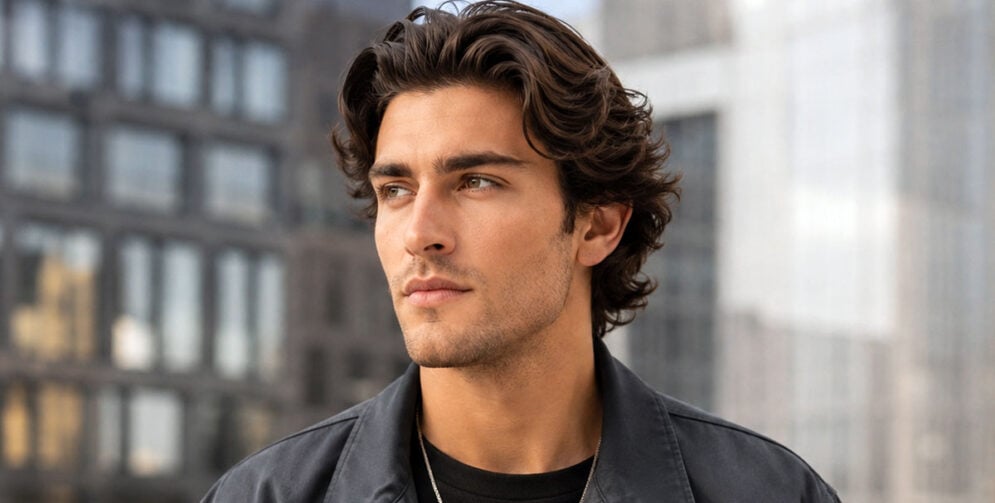
The flow haircut is a longer men’s style built around natural movement, texture and an easy brushed-back or side-swept look, delivering a trendy, versatile aesthetic that carries distinct confidence. Sometimes called hockey hair for its association with the sport, it has moved well past these origins and into the mainstream, chosen by style-conscious guys who want length and personality without the maintenance of a full, long-hair grow-out. This cut works best with your natural hair pattern rather than against it, making it ideal for those with thick, straight or wavy locks.
The most popular flow variations are soft, textured styles that pair layered, medium-to-long lengths on top with scissor-cut or taper faded sides, creating a charming, timeless look with structure and volume. A well-kept full beard adds rugged sophistication, but a clean-shaven finish reads younger and more polished for an old-money feel.
In this guide, I’ll walk through stylish, modern examples of the flow hairstyle for men, explain how to ask for the cut so you leave with what you pictured, and offer barber-approved styling tips, product recommendations and maintenance that keep the length looking intentional rather than shaggy. I’ll also share the awkward grow-out advice most articles skip and answer the questions clients raise most often before they commit to getting the style.
What Is A Flow Hairstyle?
A flow hairstyle, also known as the bro flow, is a short-to-medium-length, layered men’s style characterized by a side- or back-swept, textured top, accentuating the hairs natural volume and movement for a casual yet classy look. The sides and back can be tapered, faded or left longer depending on the version, but the defining feature is always the flow up top. The hair should look like it’s moving, even when it isn’t.
“A good flow has a destination. The hair can move backward, off-center or toward the sides, but the layers should reinforce that direction so the length looks intentional instead of simply grown out,” explains Eric Garibay, professional barber at BLVD Barbershop.
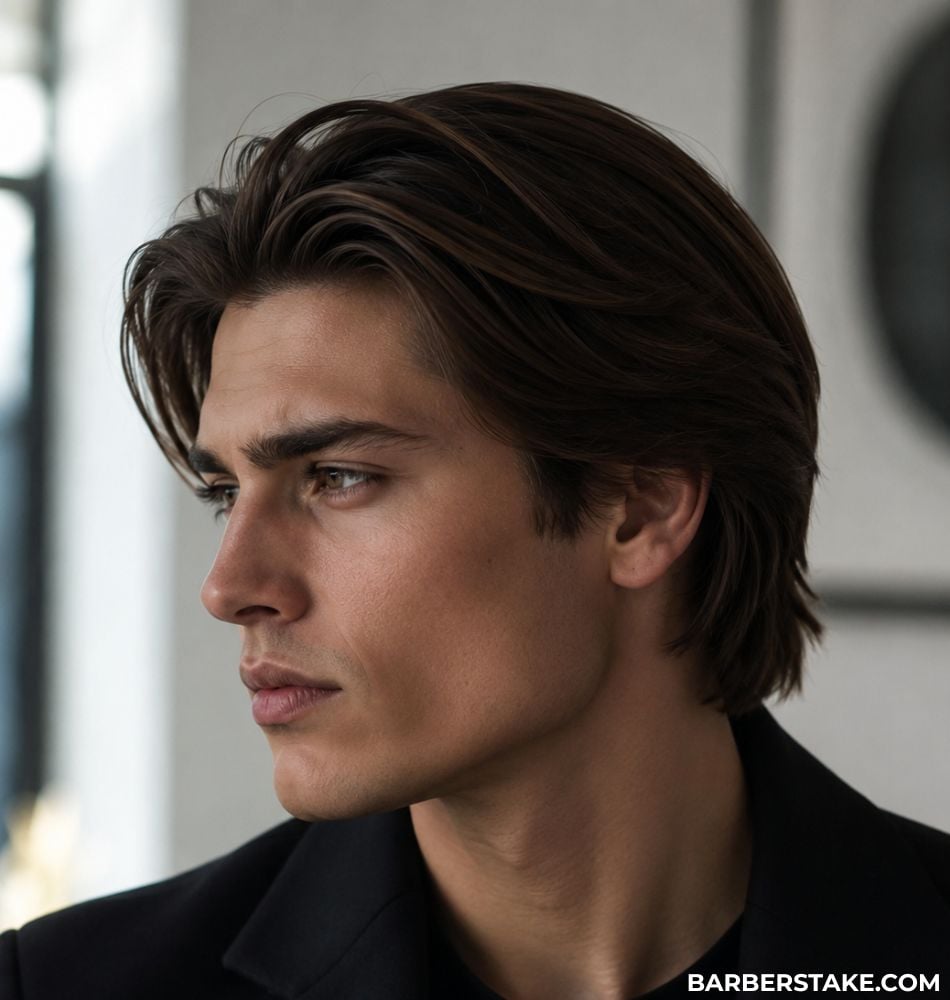
“The way I break it down for clients is simple: a flow isn’t just hair that’s been left to grow. The cut still needs a direction and enough layering that the length moves instead of hanging like one solid block. If the hair isn’t trained to move back and away from the face, you’ve grown out a haircut, you haven’t built a style.”
Sebastian Mondragon, Licensed Barber
The cut differs from a standard long men’s hairstyle in its shape and intention. Traditional styles of similar length often maintain a uniform length without much shaping, while a flow is deliberately structured to sweep back and outward with direction and fullness.
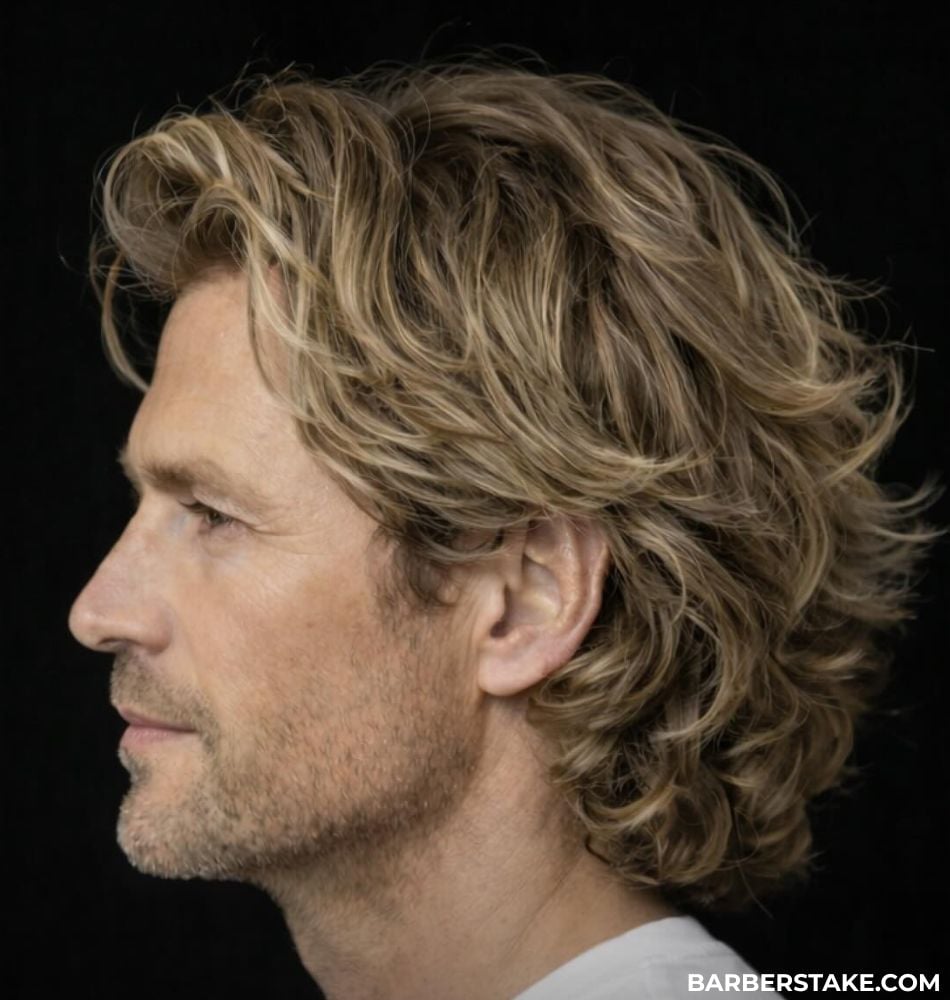
It also differs from a mullet, which concentrates the length at the back. This aesthetic spreads the length evenly across the top and sides, so the whole look feels like a single connected shape rather than a division of short and long zones.
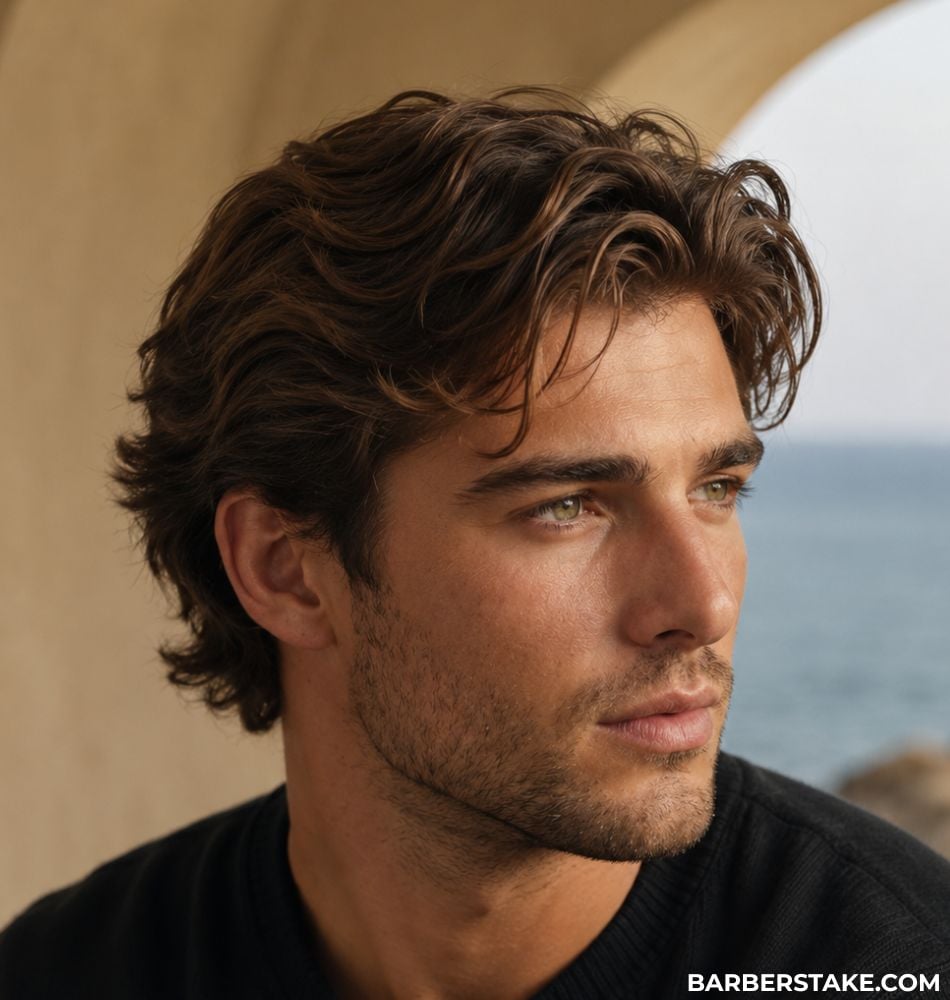
When done well, a flow reads effortless, emphasizing the seamless and fluid movement of the hair. When done poorly, it reads shaggy. The difference comes down to shape at the barber’s chair and styling routine and products at home, both of which we will cover below.
Trending Flow Haircut Styles for Men
Classic Flow
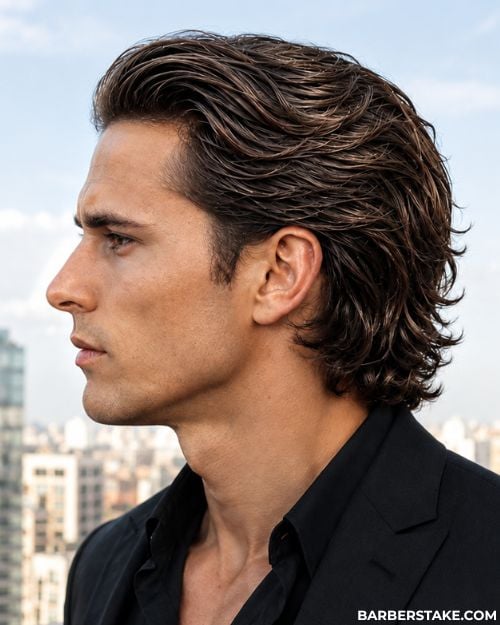
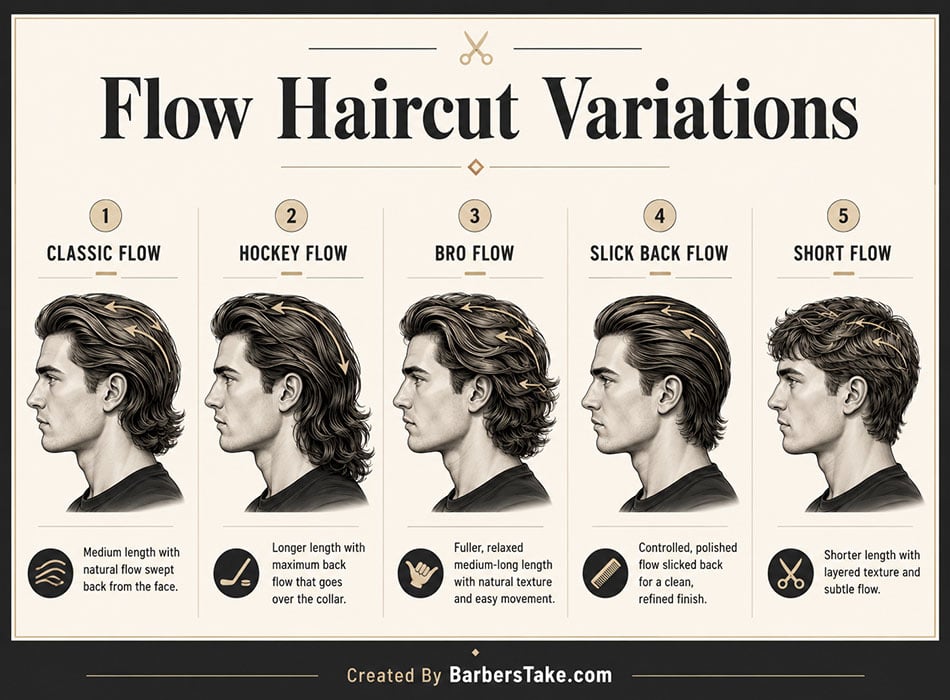
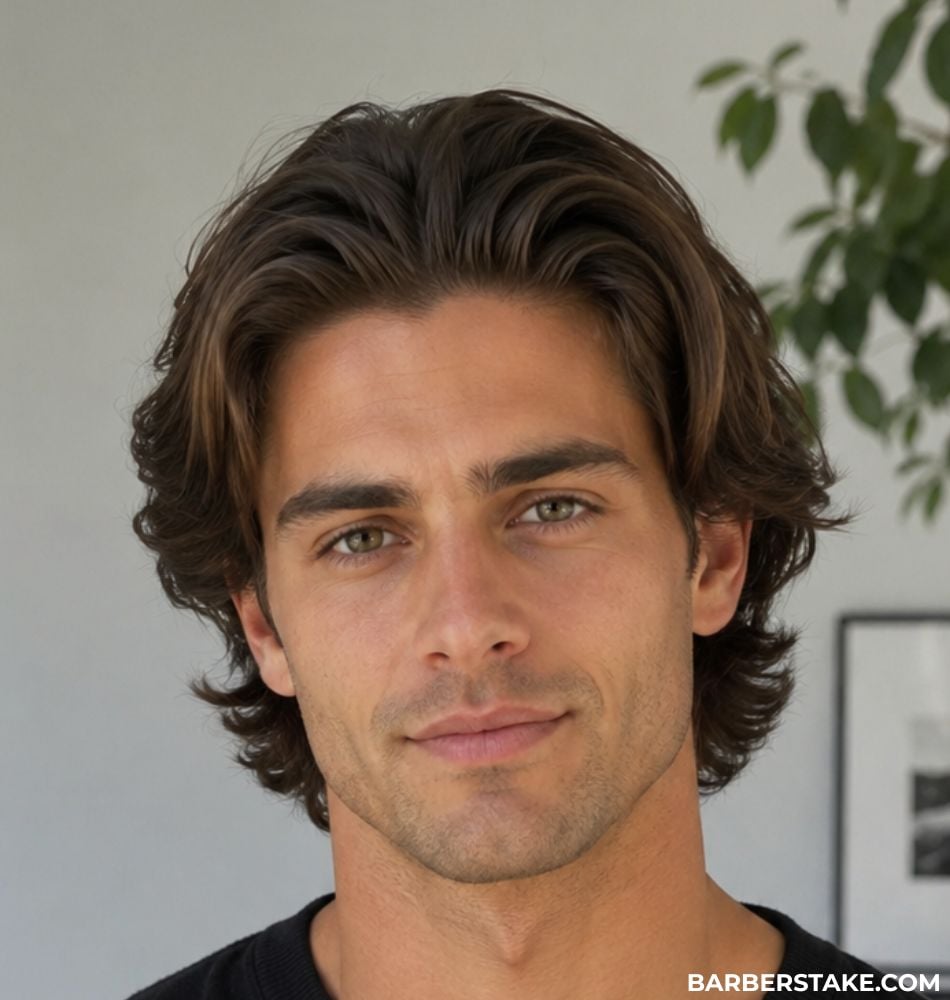
The classic flow keeps medium-length hair swept back and slightly to the sides with the natural texture leading the shape. The top and sides move as one connected shape, with just enough length to fall behind the ears and around the collar. The look is balanced, easy and adaptable across settings. Blow-dry the hair back and to the sides while it dries, then finish with a lightweight styling cream to keep the flow soft and mobile.
Modern Flow
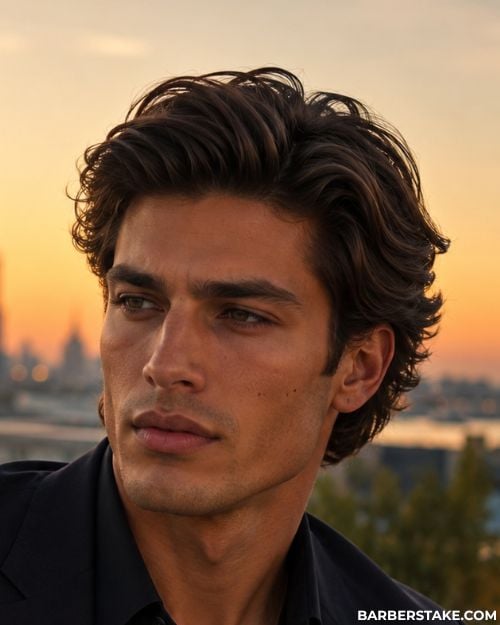
The modern flow is an alluring men’s haircut that updates the classic shape with cleaner lines, more deliberate proportions and cleaner sides, moving the style away from its more rustic roots. The length still sweeps back with movement, but the finish reads more considered and less shaggy. This version suits guys who want the flow’s energy without the hockey-hair association. Blow-dry back with a round brush and use a medium-hold styling cream for definition.

Our Favorite Product For The Look
- Medium hold delivers control with volume, flow and movement
- Some shine gives your style a healthy, natural finish
- Spreads easily and works with straight, wavy or curly hair
- Water-based formula washes out without leaving residue
If you make a purchase through our link, we may earn a small commission at no extra cost to you.
Curtain Flow
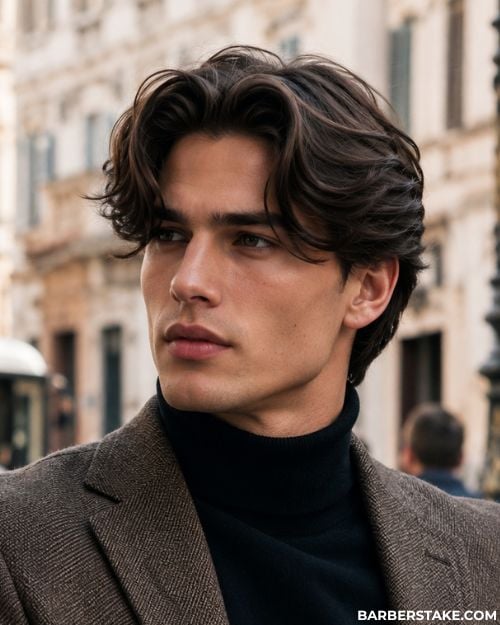
The curtain flow parts the length down the middle and lets the front sections fall forward like curtains before sweeping back through the rest of the cut. The look references the 1990s curtain cut with an updated, longer finish. It’s a strong option for guys with straight or slightly wavy hair who want a distinct front-of-face shape. Blow-dry the front sections downward and outward, then let the rest of the length fall back into the flow.
Short Flow
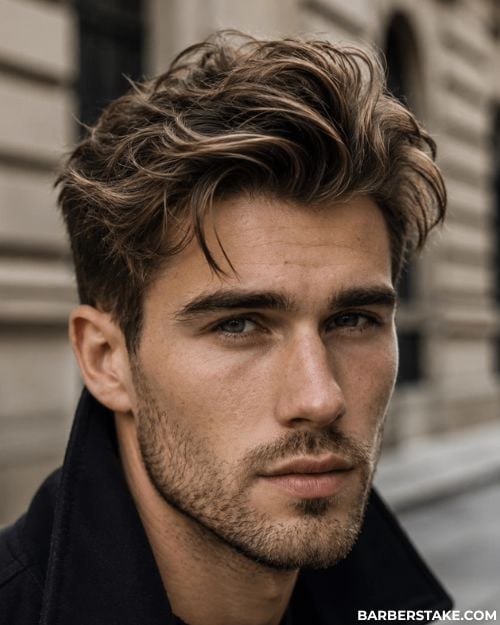
The short flow is the entry-level version of the cut, with just enough length to sweep back and give the impression of movement without full commitment to the grow-out. The hair sits at two to three inches on top, blending back and to the sides with a subtle shape. It’s a smart choice for guys who want the flow’s energy without the maintenance of a longer cut. Blow-dry back and shape with your fingers, then use a small amount of matte paste for a natural finish.

Our Favorite Product For The Look
- Strong hold offers powerful control and shape for short and medium styles
- Adds dry texture and definition for a modern, matte finish
- Non-greasy formula creates lasting definition and a clean look
- Use on dry hair to shape and separate before blow-drying for added structure
If you make a purchase through our link, we may earn a small commission at no extra cost to you.
Off-Center Parted Flow
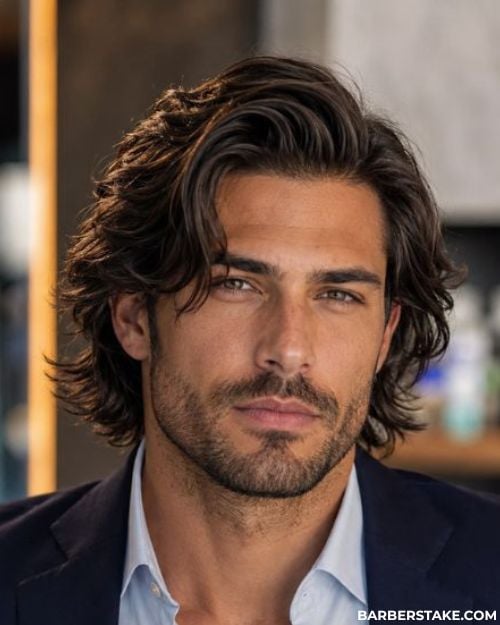
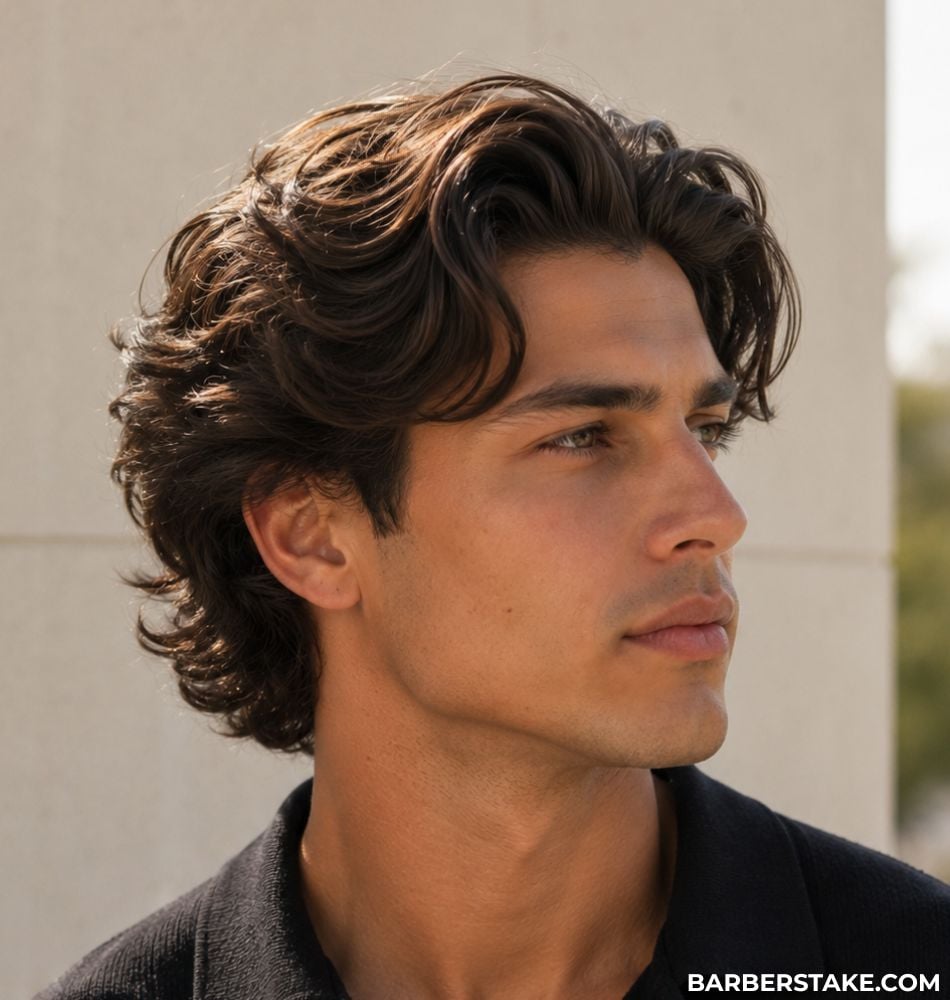
The off-center parted flow shifts the style off the middle for a softer, less symmetrical take. The longer top falls to each side of the part with natural movement, and the slight asymmetry adds visual interest without leaning fully into a hard side part. The sides carry the length down and back into the rest of the flow, keeping the whole cut connected as a single shape. This version works especially well on wavy or slightly textured hair, where the natural pattern reinforces the loose, undone finish. Blow-dry away from the part while damp, then finger-style the length back and to the sides for a soft, controlled finish.
Flow with Undercut
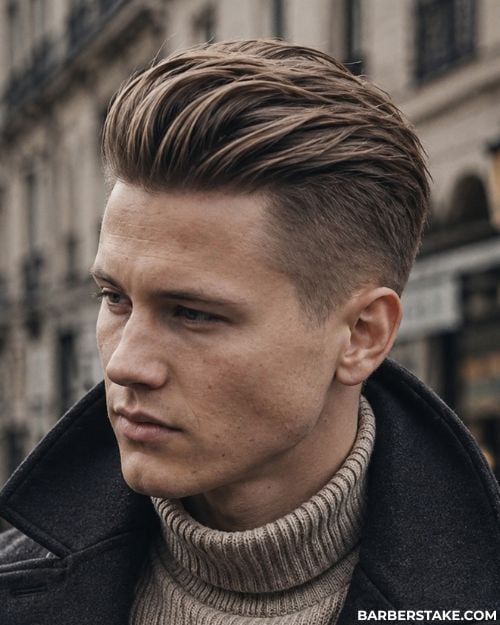
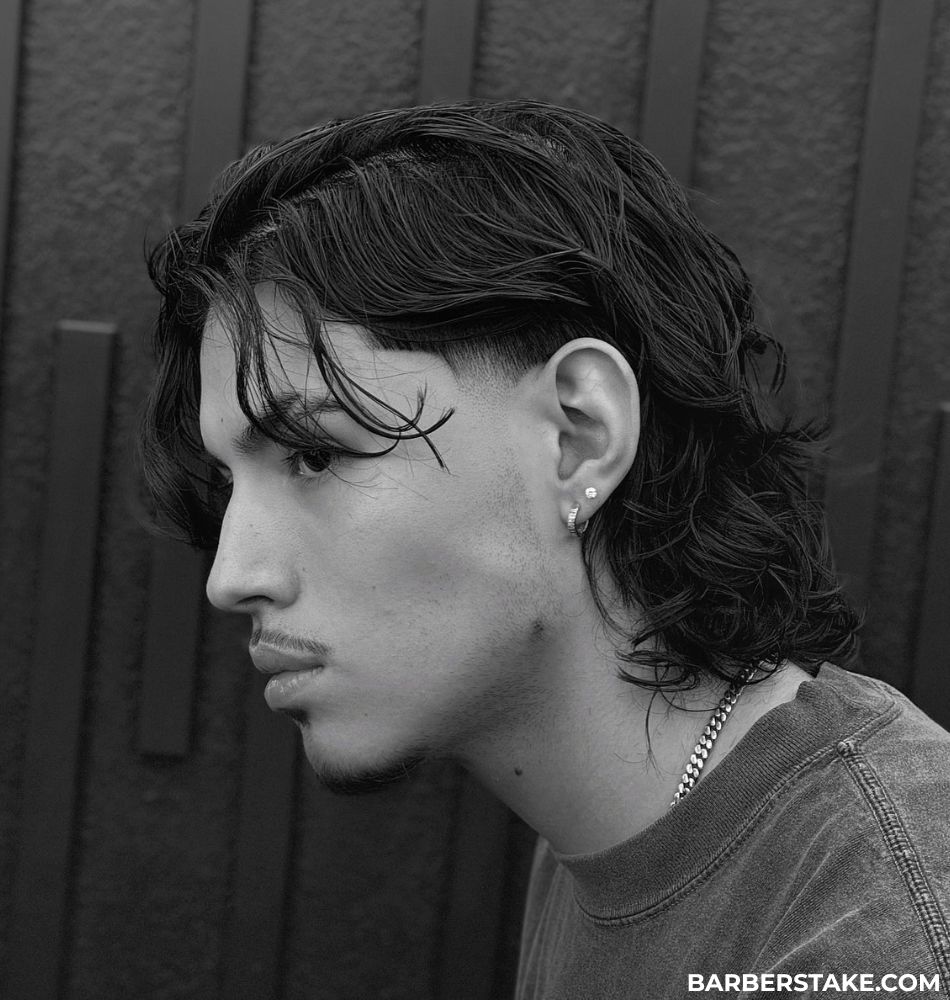
Flow with undercut clips the sides shorter and creates a stronger contrast between the flowing top and the shorter perimeter. The look leans bolder and more contemporary than the classic version, with a sharper visual division between the two lengths. The undercut can be exposed or hidden depending on how the top falls. Blow-dry the top back and to the sides, then use a medium-hold product to keep the flow lifted away from the shorter sides.

Our Favorite Product For The Look
- Medium, pliable hold provides flexible structure and definition
- Clean matte finish adds texture without looking dry or flat
- Lightweight cream spreads easily and does not weigh down hair
- Tames frizz, keeps hair soft, and works well with waves or curls
If you make a purchase through our link, we may earn a small commission at no extra cost to you.
Hockey Flow
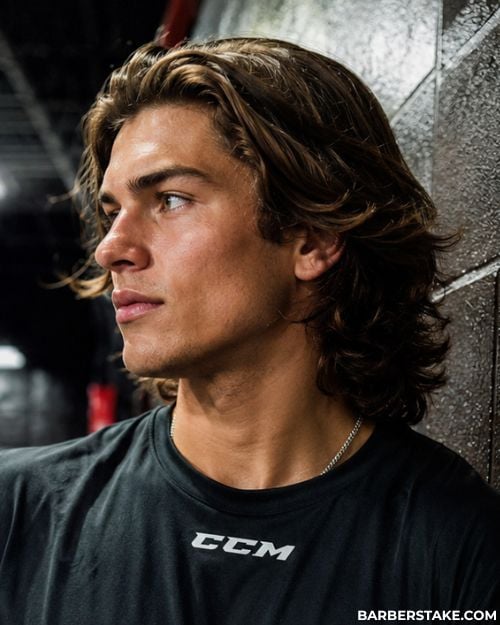
The hockey flow is the version that gave the cut its nickname, with longer length designed to curl out from beneath a helmet and rest along the collar and ears. The top stays full, the sides run long enough to blend into the back, and the whole cut carries a distinctly athletic, laid-back energy. This is the version I see requested by younger clients who play the sport or want to reference the look. Air dry and finger-comb the hair back, then use a light sea salt spray to add texture and grip.
Textured Medium Flow
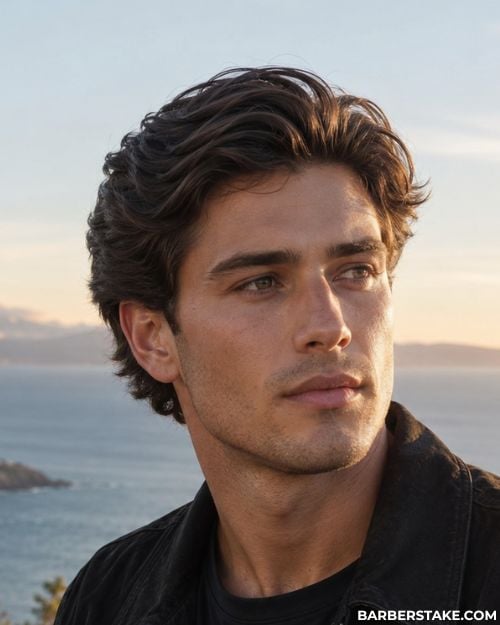
The textured medium flow pairs mid-length hair with visible layering and piece-y separation, delivering movement without the commitment of a longer grow-out. The top and sides sit at four to five inches, cut with point-cutting and light razor work through the length to break up the weight and add lived-in texture. The finish reads deliberately styled but never stiff, and the shape sweeps back with natural motion rather than sitting flat. Blow-dry back with your fingers to set the direction, then work a matte paste through to define the layers and hold the shape.
Wavy Flow
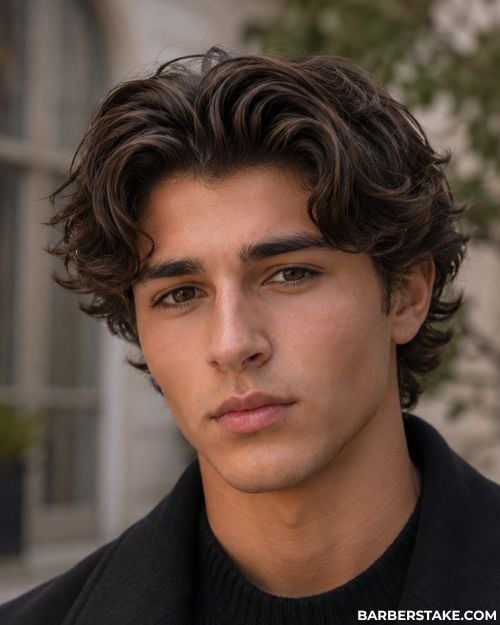
The wavy flow works with natural waves to create a full, moving shape that reads effortless. The wave pattern does most of the styling work, adding volume and texture without much product. The sides carry length and pattern together, so the flow moves as one continuous shape. Apply a sea salt spray to damp hair, scrunch gently, then let the waves air dry or diffuse them on low heat.

Our Favorite Product For The Look
- Adds gritty texture, volume and lift without making hair feel crunchy
- Light hold keeps loose textured styles natural and easy to reshape
- Use on damp hair, then blow-dry for more definition and body
- Castor oil moisturizes and softens while sea salt
If you make a purchase through our link, we may earn a small commission at no extra cost to you.
Flow with Taper
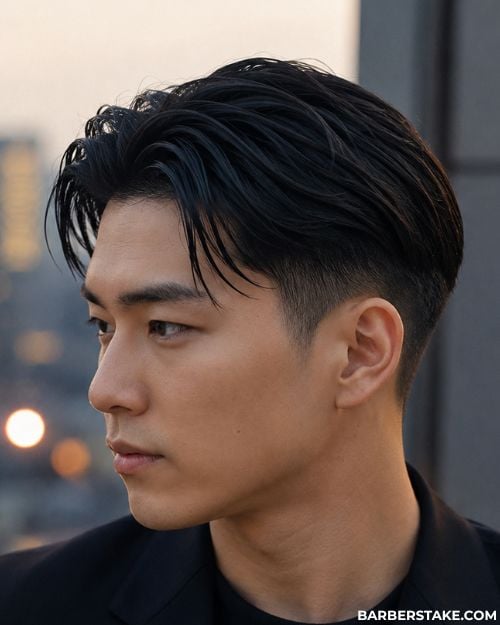
Flow with taper cleans up the sides and neckline with a subtle graduation while preserving the length and movement on top. The taper keeps the shape controlled and slightly more office-friendly, without sacrificing the flow’s core character. This is the version I steer clients toward when they want the look to read polished at work but still deliberately styled. Blow-dry the top back and finish with a medium-hold styling cream.
Curly Flow

The curly flow is a trendy men’s hairstyle that celebrates natural curls in a swept-back shape, letting the pattern move outward and back with defined volume. The length gives the curls room to expand while the shape keeps them intentional rather than unruly. Curls create the movement here, so styling is more about definition than direction. Work a curl cream through damp hair, then diffuse on low heat to lock in the pattern without frizz.

Our Favorite Product For The Look
- Defines waves, curls and coils while taming frizz for a clean finish
- Rich cream keeps your hair structured, soft and easy to manage
- Argan oil and plant waxes condition and protect your hair
- Blow-dry for softer texture or air-dry for extra definition
If you make a purchase through our link, we may earn a small commission at no extra cost to you.
Short, Shaggy Flow with Waves
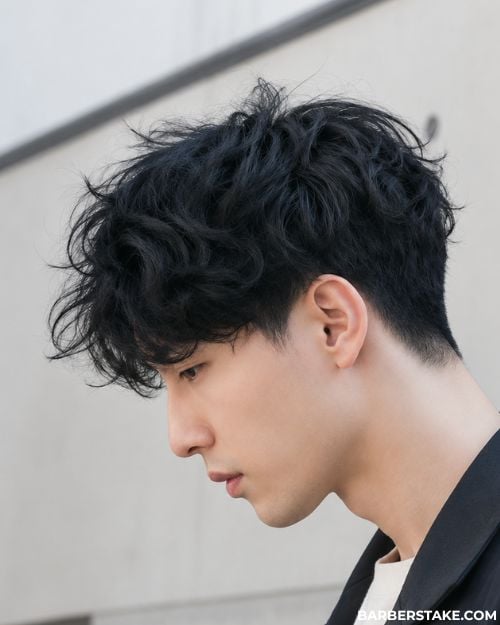
This short and shaggy flow with waves keeps the length modest while embracing the natural wave pattern for a relaxed, lived-in shape. The top sits at three to four inches with visible layering and piece-y separation, letting the waves fall in loose, undone movement rather than a combed, structured finish. The sides carry the same casual energy, blending into the shape without a sharp perimeter. Spritz sea salt spray onto damp hair, scrunch to bring out the wave, then air dry and finger-shape into place.
Short Flow with Tapered Sides
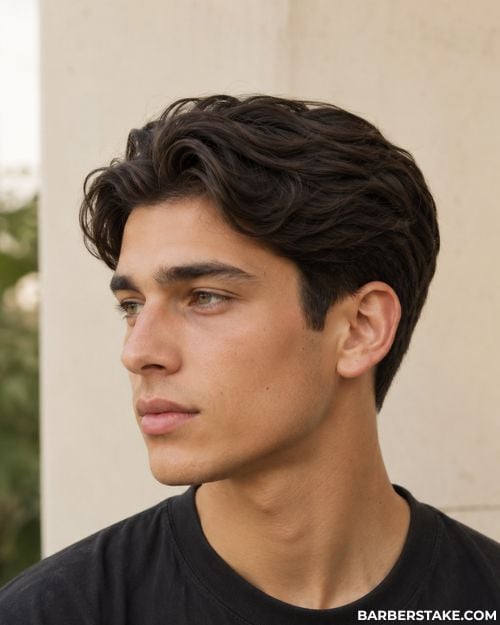
The short flow with tapered sides typically layers the top for a low-maintenance approach while blending the sides to achieve a cleaner, more structured finish. The top sits at three to four inches with enough length to move back and to the sides with natural motion, and the taper follows the head down through the ears and neckline for a defined outline. This version reads sharper and more office-friendly than the longer, shaggier takes on the cut. Blow-dry the top back to set the direction, then finish with a matte paste, clay or light styling cream for controlled hold.

Our Favorite Product For The Look
- Strong, pliable hold for volume and structure without feeling rigid
- Low-shine finish creates natural texture without a greasy look
- Absorbs excess oil while adding grip, definition and fuller dimension
- Lightly conditions hair and rinses out easily in the shower
If you make a purchase through our link, we may earn a small commission at no extra cost to you.
Flow with Burst Fade
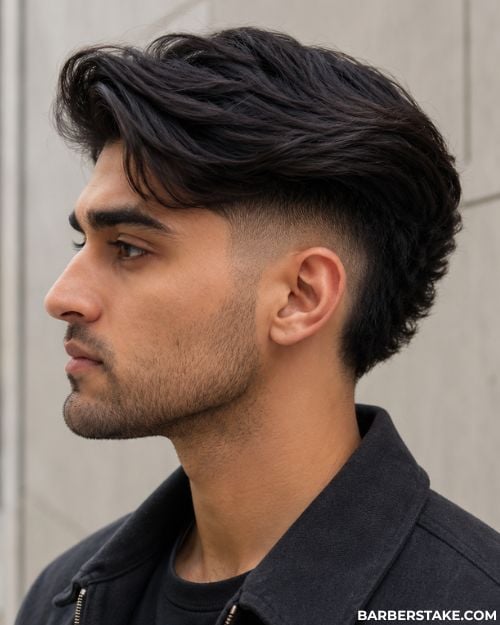
This flow with a burst fade blends the swept-back length on top with a semicircular fade that arcs around the ear, creating a fresh, modern take on the shape. The top keeps its full length and natural movement, while the burst fade curves outward from behind the ear and softens the transition into the sides and neckline. The rounded fade placement preserves visual weight above the ear where the flow needs it and sharpens the outline where the cut benefits from precision. Blow-dry the top back to set the direction, then finish with a light styling cream to keep the length mobile and the fade area clean.
Straight Flow
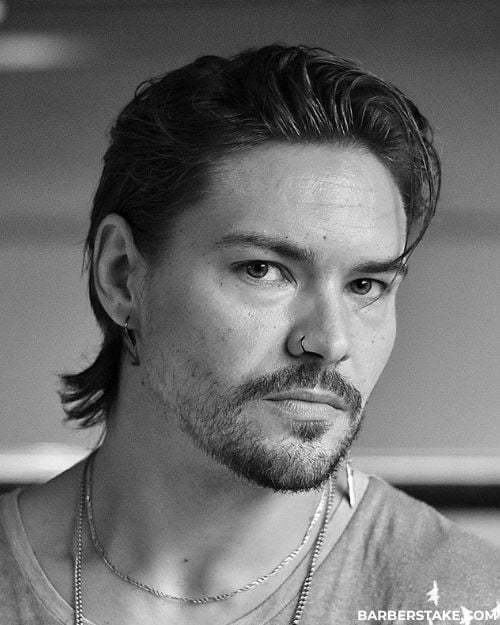
The straight flow moves clean, smooth hair back and to the sides for a sharper, more refined take on the shape. Straight hair produces the sleekest version of the cut, with the length falling in defined lines rather than natural waves or curls. It reads more polished and less athletic than the textured versions. Blow-dry back with a round brush for extra lift, then finish with a light pomade or styling cream to keep the strands controlled.
Slick Back Flow

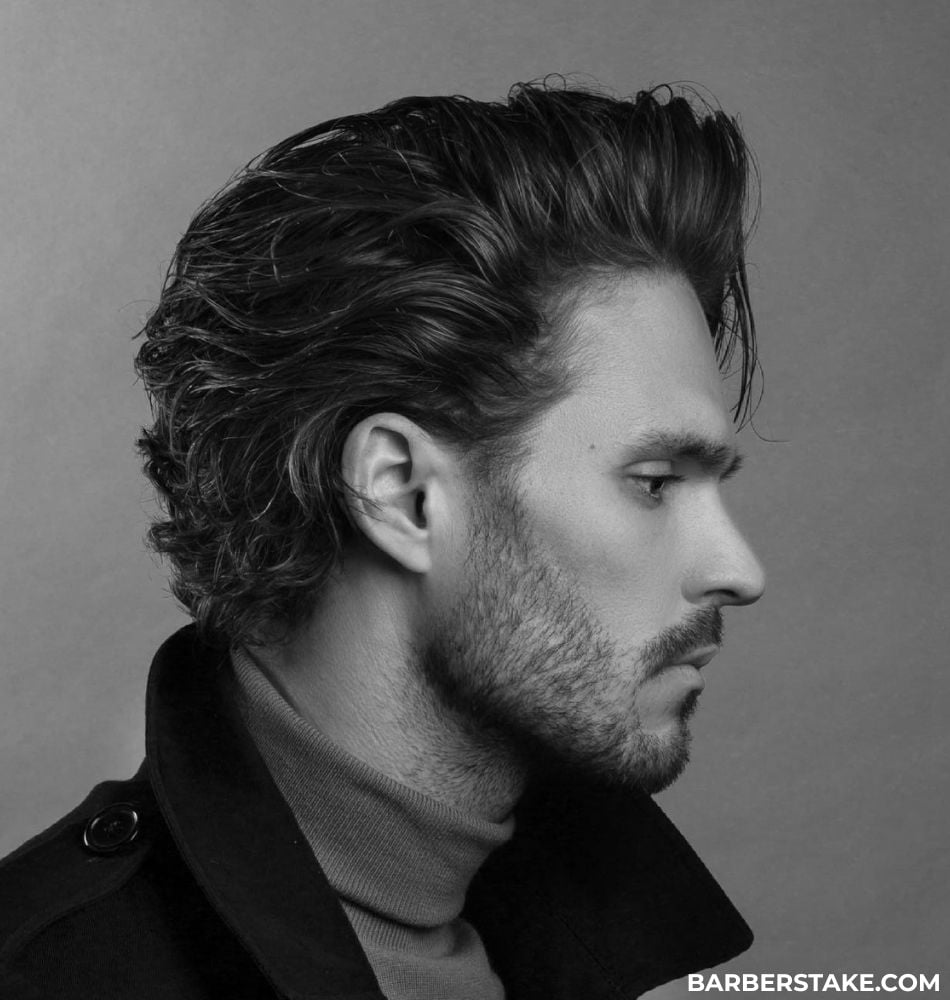
This slick back flow combs the length cleanly back from the forehead with a light shine finish, delivering a more polished take on the cut. The hair sits smooth rather than textured, with the movement running in defined lines from front to back. This version reads sharper and more refined, suited to formal or professional settings. Blow-dry back with a round brush, then apply a light pomade or styling cream and comb through for the smooth finish.
Our Favorite Product For The Look
- Medium hold delivers control with volume, flow and movement
- Some shine gives your style a healthy, natural finish
- Spreads easily and works with straight, wavy or curly hair
- Water-based formula washes out without leaving residue
If you make a purchase through our link, we may earn a small commission at no extra cost to you.
Long Flow
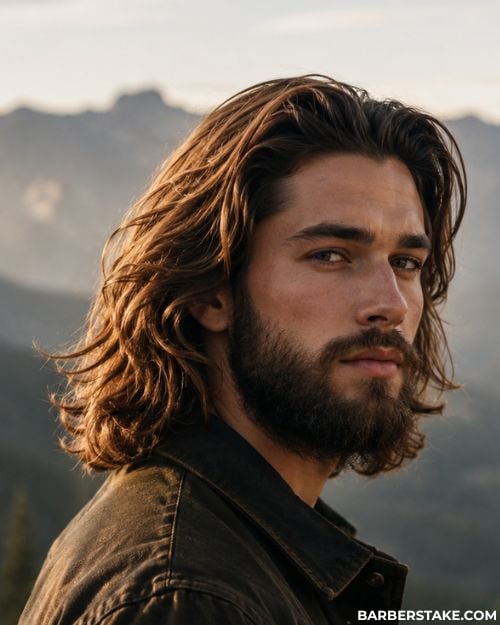
The long flow extends the length past the shoulders while keeping the swept-back shape and full movement that define the cut. The added length gives the hair more visual weight and lets it fall dramatically past the collar and around the shoulders. This is the version for guys fully committed to long hair and the routine that comes with it. Condition regularly to keep the length healthy, then use a leave-in conditioner and finger-comb to shape as it dries.
Flow with Fade
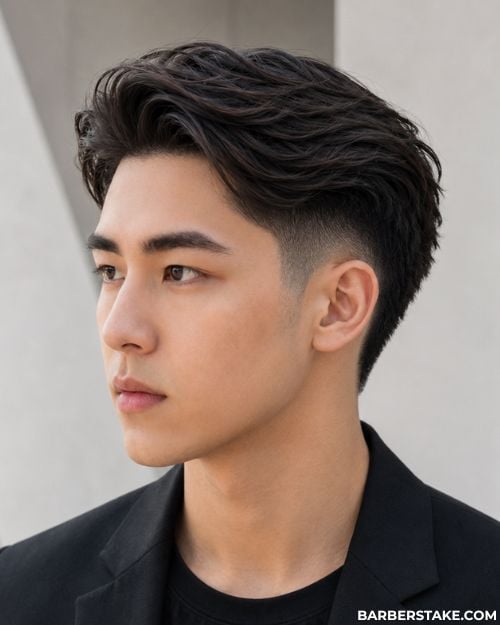
Flow with fade blends the sides down through a low or mid fade for a modern take on the shape, adding structure to a cut that would otherwise flow uninterrupted. The fade sharpens the outline around the ears and neckline while the top retains its full length and movement. The look reads current without dating the cut to any single trend. Style the top with your usual routine and plan on more frequent visits to keep the fade sharp.
Flow with Middle Part
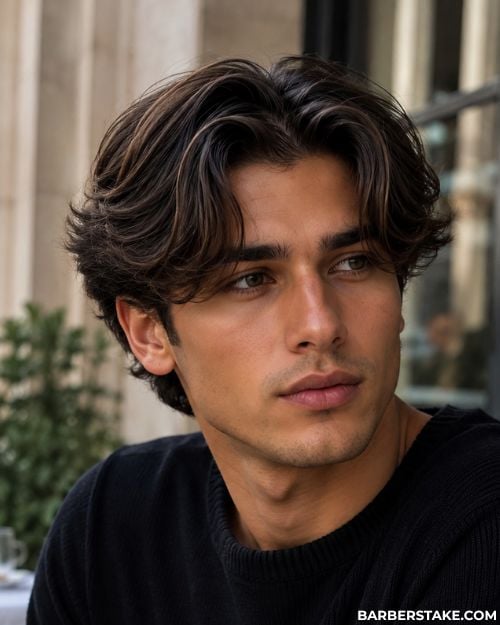
Flow with middle part splits the top down the center so the length falls evenly to each side of the face. The center part frames the features and doubles down on the flow’s natural, swept-back energy. This pairing has surged in popularity with younger guys chasing the middle-part trend at longer lengths. Blow-dry away from the center as the hair dries, then finish with a light cream to keep the part smooth.
Old Money Flow
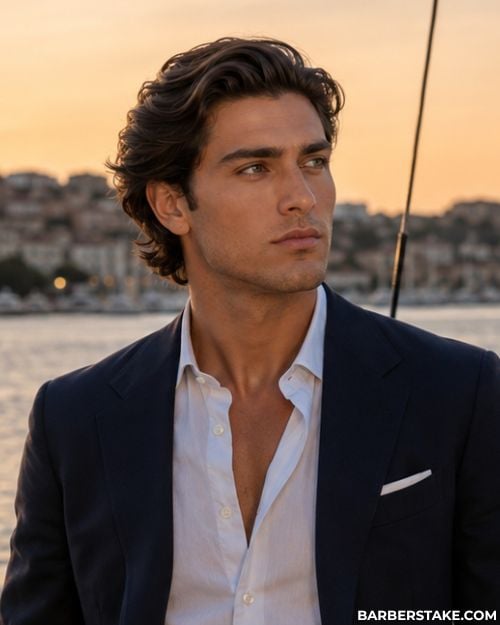
The old money flow channels a quiet, understated elegance rooted in classic tailored style, with the length shaped for a refined, put-together finish. The top sits at a controlled medium length combed back and slightly to the side with light shine and defined direction, and the sides are kept neat with a subtle taper that reads intentional rather than trendy. The look draws from mid-century prep and European tailoring, favoring restraint over statement. Blow-dry back with a round brush to build shape, then comb through a light pomade with natural shine to finish clean and grown-up.
Textured Flow
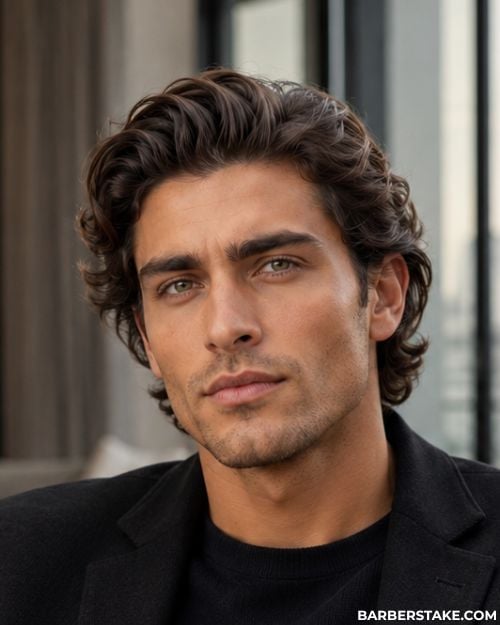
The textured flow uses point-cutting and light layering to break up the length and add visible separation through the hair. The result reads less polished and more contemporary than the classic version, with piece-y movement instead of smooth lines. The texture keeps the flow from looking flat as it grows. Apply a texture powder or matte paste to dry hair and work it through with your fingers.
Flow with Fringe
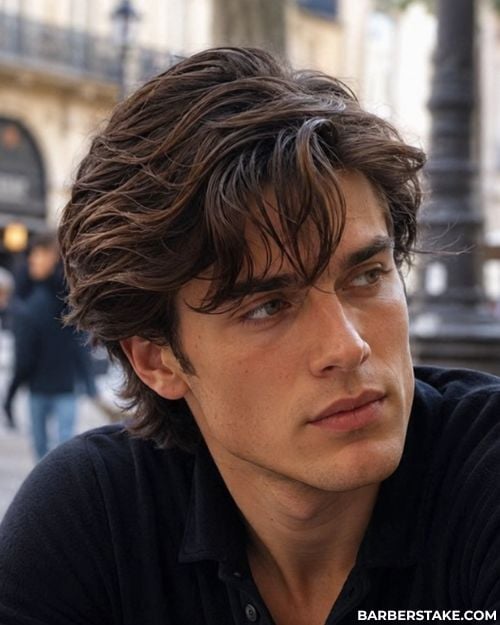
Flow with fringe leaves the front section longer and lets it fall forward over the forehead rather than sweeping fully back. The fringe softens the shape and frames the features, giving the flow a slightly more casual, youthful feel. The rest and sides still carry the swept-back motion. Style the fringe forward with your fingers and let the sides and back fall naturally into the flow.
Flow with Beard
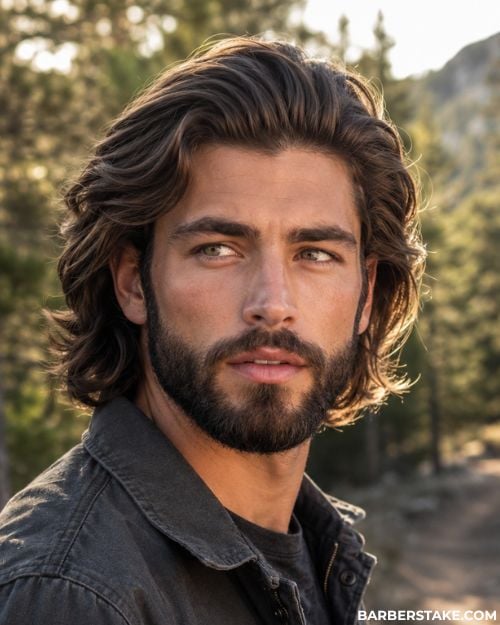
Flow with beard pairs the swept-back length on top with a full, groomed beard below to create a balanced, ruggedly stylish shape. The beard adds visual weight to the lower half of the face, which balances the volume and movement at the top. The pairing has become a defining look in modern barbershops, and it works across most flow variations. Keep the beard trimmed and conditioned, and use beard oil to keep it soft.
Messy Flow
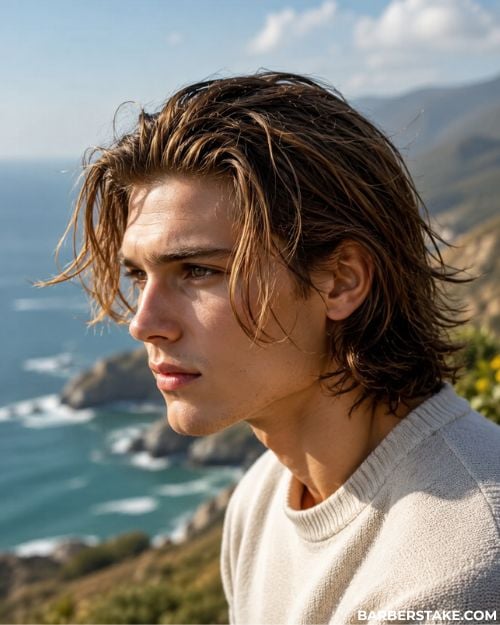
The messy flow embraces a deliberately loose, disordered finish rather than a combed, structured one. The length carries the shape, but the styling lets pieces fall where they land instead of directing them into place. The cut looks natural and unforced. Work a matte paste through with your fingers and skip the comb entirely.
Professional Flow
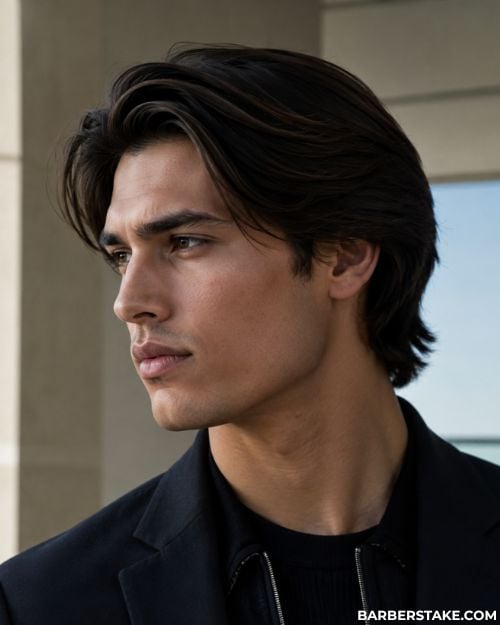
The classy, professional flow refines the brushed-back look into a polished, office-friendly version that reads sharp in tailored settings. The top sits at a controlled medium length with clean, deliberate direction rather than loose or shaggy movement, and the sides are kept neat with a subtle taper that keeps the outline tidy around the ears and neckline. The finish leans smooth over textured, delivering the flow’s energy in a form that suits meetings, formal events and conservative workplaces. Blow-dry back with a round brush for lift and control, then comb through a light pomade with natural shine to lock in the refined finish.
Flowing Slick Back Undercut
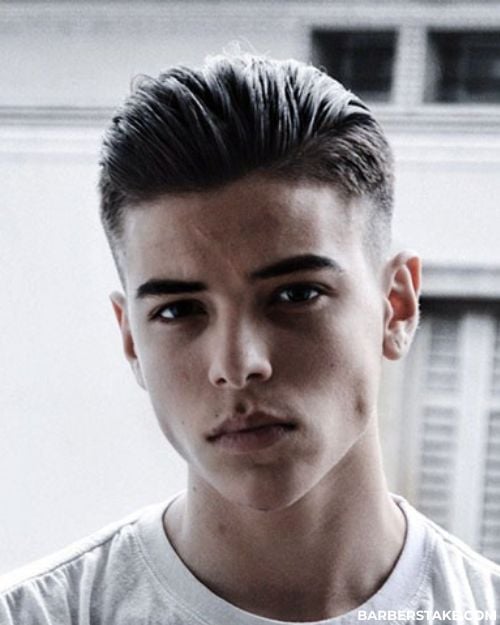
The flowing slick back undercut is a modern men’s style that combines a longer, swept-back top with clipped, disconnected sides for a sharper, more contemporary take on the classic. The top runs long enough to fall past the ears when worn down, then combs cleanly back with light shine and defined direction, while the shorter sides create bold contrast beneath the length. The look reads polished and modern at once, bridging refined and edgy in a way few cuts manage. Blow-dry the top back with a round brush, then work a medium-hold pomade through with a comb to lock in the smooth, directional finish.
Side Part Flow
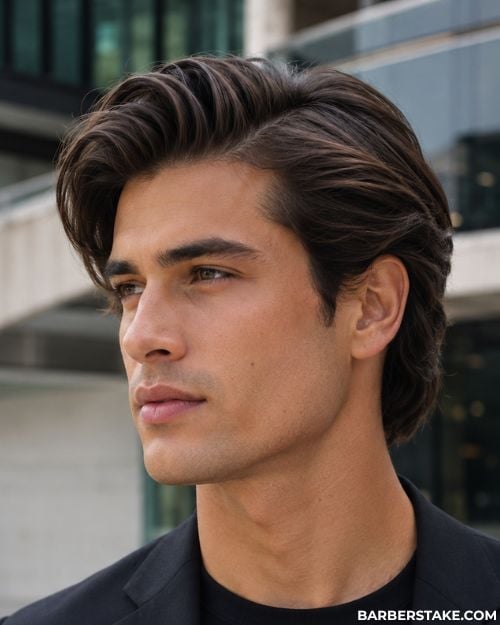
The side part flow directs the length across a defined parting for a sharper, more structured take on the cut. The part adds polish and a touch of maturity while the length preserves the flow’s movement. It bridges the gap between a trend-driven cut and a grown-up shape. Comb across the part while damp, then set with a light pomade for hold and subtle sheen.
Bro Flow
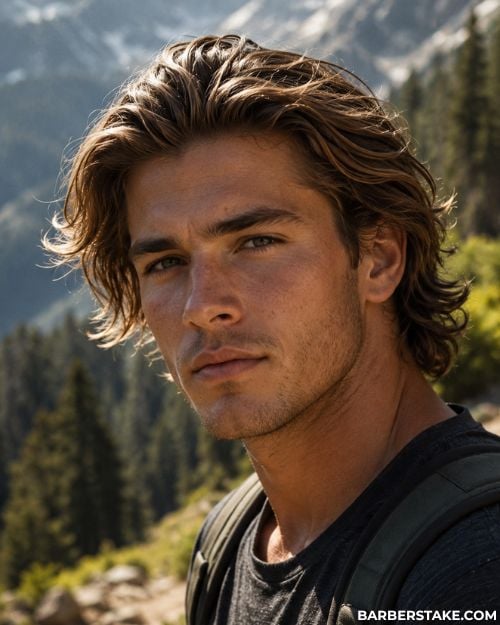
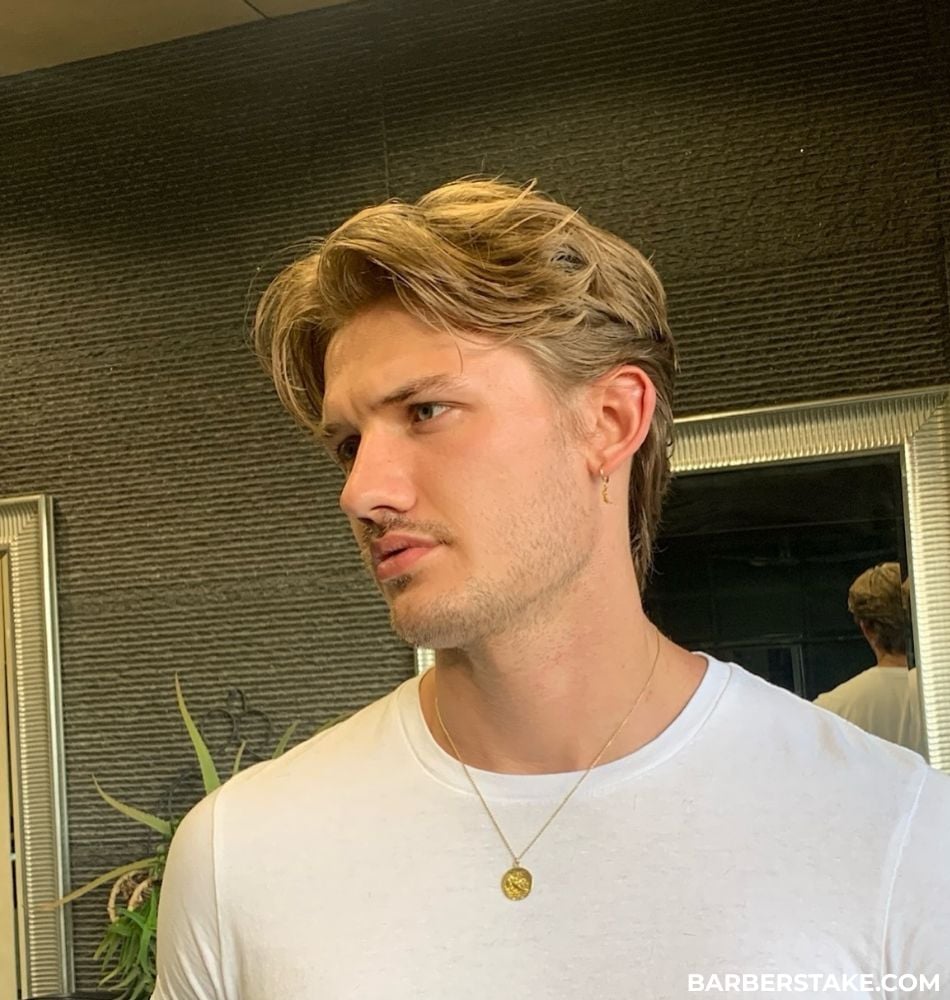
The bro flow keeps medium-to-long length swept back from the face with easy volume and natural texture, delivering the archetypal laid-back version of the cut. The hair falls behind the ears and past the collar, styled to look intentional but never fussy. This is the version most guys picture when they hear the term flow. Blow-dry back and shape with your fingers, then finish with a light styling cream.
Blonde Flow
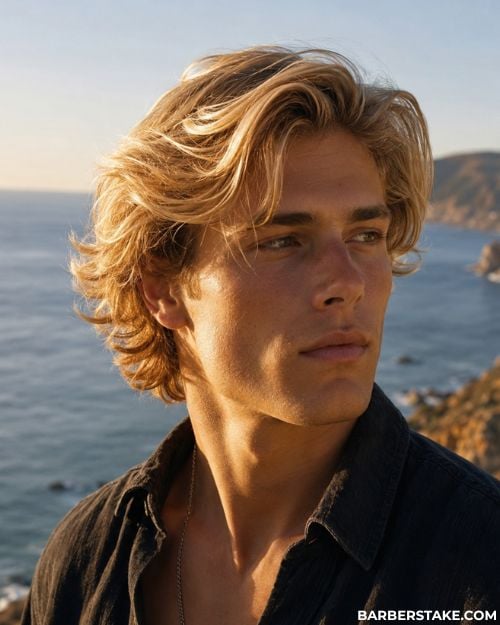
The blonde flow applies the swept-back shape to bleached or naturally light hair, amplifying the movement through pure color contrast. Lighter tones catch and reflect the light differently through the length, making the shape read sharper. Maintain bleached hair with color-safe shampoo and conditioner, book root touch-ups every five to six weeks, and use a purple shampoo weekly to keep the tone cool.

Our Favorite Product For The Look
Native Shampoo and Conditioner Set
- Offers a simple two-step hair care routine for better everyday styling
- Shampoo removes excess oil and buildup for a clean base, enhancing volume and texture during styling
- Conditioner softens hair, reduces frizz and makes it easier to shape and control your desired look
- Both formulas are free of sulfates, silicones, parabens and dyes
If you make a purchase through our link, we may earn a small commission at no extra cost to you.
Athletic Flow
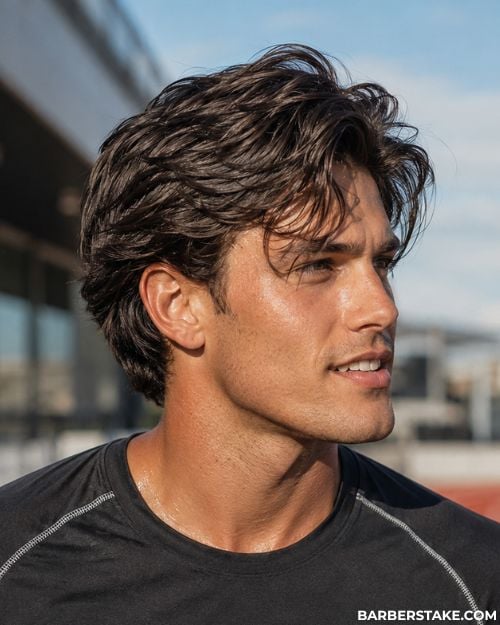
The athletic flow keeps the length short enough for high-movement sports and daily workouts while still allowing the hair to sweep back with visible motion. The length sits shorter than the classic version but longer than a standard cut, sitting right at the intersection of practical and stylish. Great for guys who want the shape but need it to work under a hat or through a workout. Air dry and shape with your fingers, then finish with a small amount of texture cream.
Long Flow with Beard
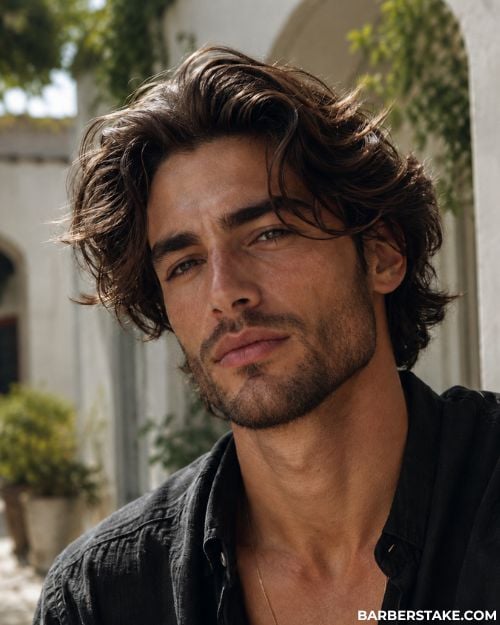
This long flow with a full beard offers a confidently masculine look and requires commitment to both the grow-out and the grooming. The length and beard create balance across the entire head and face. Condition the length regularly and keep the beard trimmed, oiled and shaped.
Two Block Flow
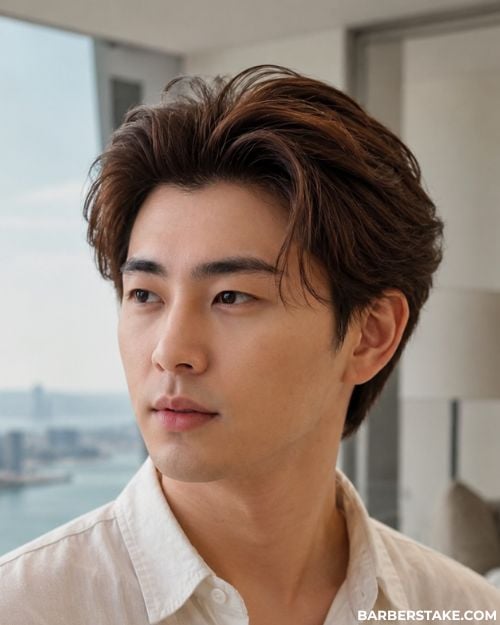
In this example, a two block flow crops the sides shorter while keeping the top long enough to sweep back with full movement. The contrast between the short lower section and the long, flowing top adds a modern, fashion-forward feel to the shape. This version has picked up ground alongside the broader two block trend. Blow-dry the top back and shape with your fingers, then use a medium-hold matte product to keep the flow lifted.
Layered Flow
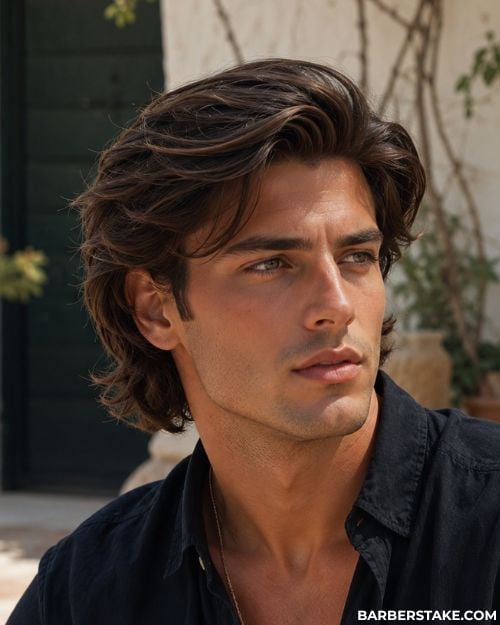
The layered flow uses shear-cut layers throughout the length to add visible movement and lightness to the shape. The layering removes bulk from thick hair and adds definition to fine hair, so the cut works for a wider range of textures than the blunt-cut version. The finish reads softer and more contemporary. Blow-dry back with a round brush to lift the layers, then finish with a light styling cream.
Asian Flow
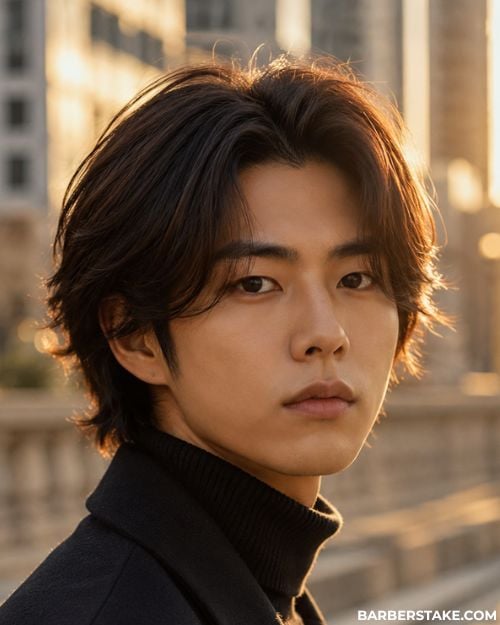
The Asian flow adapts the style to straight, dense hair with a clean, sharp finish that plays to the texture’s natural strengths. The top sits at a medium-to-long length with the hair combed back and to the sides in defined, smooth lines rather than loose, textured movement. The density gives the shape natural fullness, and the straight pattern produces the sleekest, most refined version of the cut, popular in Korean and East Asian street style. Blow-dry back with a round brush to add lift at the roots, then finish with a light pomade or styling cream to keep the strands controlled and the direction sharp.
Casual Flow
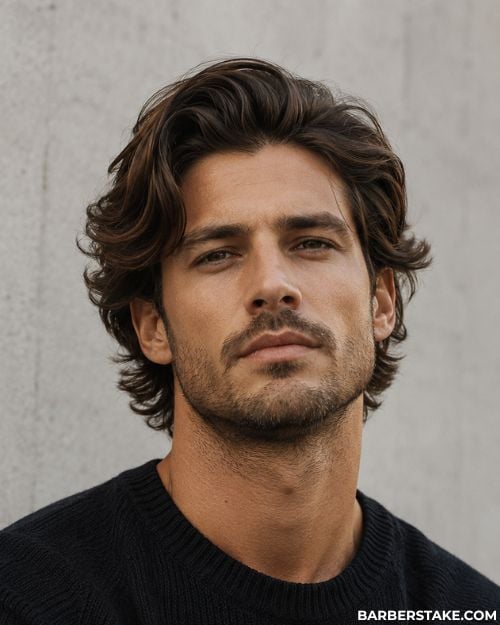
This relaxed flow leans into an unfussy, easy-to-wear finish built around your natural texture rather than a styled or combed direction. The top sits at a medium length with the hair falling back and to the sides on its own, and the perimeter stays loose rather than sharply defined. The look reads relaxed and approachable, well suited to weekends, low-key settings and guys who want the length without a styling routine. Towel dry, push the hair back with your fingers, then work a small amount of matte cream or texture spray through for light hold and a lived-in finish.
Fresh Brushed Back Flow
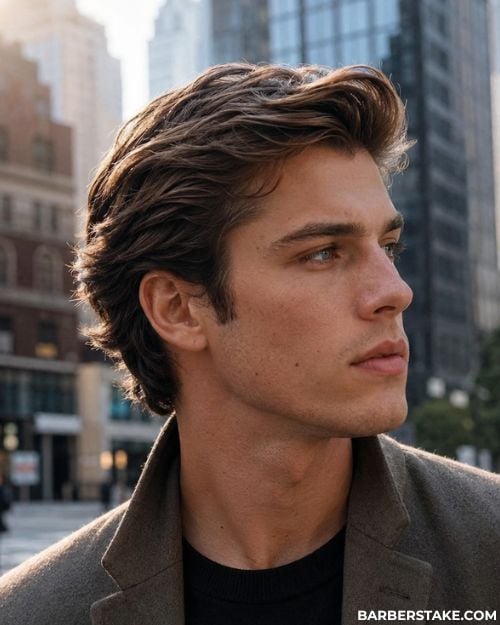
The fresh brushed back flow keeps the length clean and directional, with the hair combed straight back from the forehead for a sharper, more intentional finish. The top runs long enough to hold the direction through the day, and the brushing gives the cut visible lift at the roots and defined lines from front to back. This version reads polished without the shine of a true slick back, making it a strong middle ground between refined and relaxed. Blow-dry back with a round brush to build root lift, then run a matte styling cream through with a comb to lock in the brushed finish.
How to Ask Your Barber for a Flow Haircut
I’ve learned that the difference between a great result and a disappointing one for any style usually comes down to the conversation before the barber starts cutting. The flow covers enough variation in length, shape and finish that asking for the cut by name alone leaves too much open to interpretation. A few specific details take the guesswork out of it for both sides of the chair. After years of cutting flows for clients, here’s what I recommend you research before and do during your haircut appointment.
Name the Flow Version You Want
Start by naming the version you’re after, whether that’s a classic flow, a bro flow, a hockey flow or something else from the list above. The general term flow covers so much ground that it doesn’t communicate a specific cut on its own. Adding the descriptor narrows the target considerably.
Specify Your Target Length
The flow can sit anywhere from three inches on top to well past the shoulders, and where you land changes everything about the cut. Tell your barber in inches if you can, or describe the length you want in terms of where the hair falls, whether that’s ear length, collar length, chest length or longer. If you’re still growing into the cut, describe where you want to end up so your barber can shape the current cut toward that target.
“When you’re growing a flow, every trim should be based on the haircut you’re trying to reach. I want to know which sections need to keep growing so I can control the bulky areas without repeatedly cutting away your progress,” Garibay advises.
Decide How Clean or Shaggy You Want the Sides
The sides of a flow can be left long to blend into the flow itself, tapered subtly for a cleaner outline, faded for modern structure or clipped short in an undercut for bold contrast. Each choice gives the cut a different character and requires a different maintenance cadence. Tell your barber where on that spectrum you want to sit.
Bring Reference Photos
Bring two or three photos that show the length, shape and finish you want, ideally from the front and the side. The cut has so much visual variation that a photo communicates more in seconds than a paragraph of description can. If your reference photo is a celebrity or an athlete, tell your barber which era or season, since the same person’s flow can change dramatically over time.
Talk About Your Growth Pattern and Cowlicks
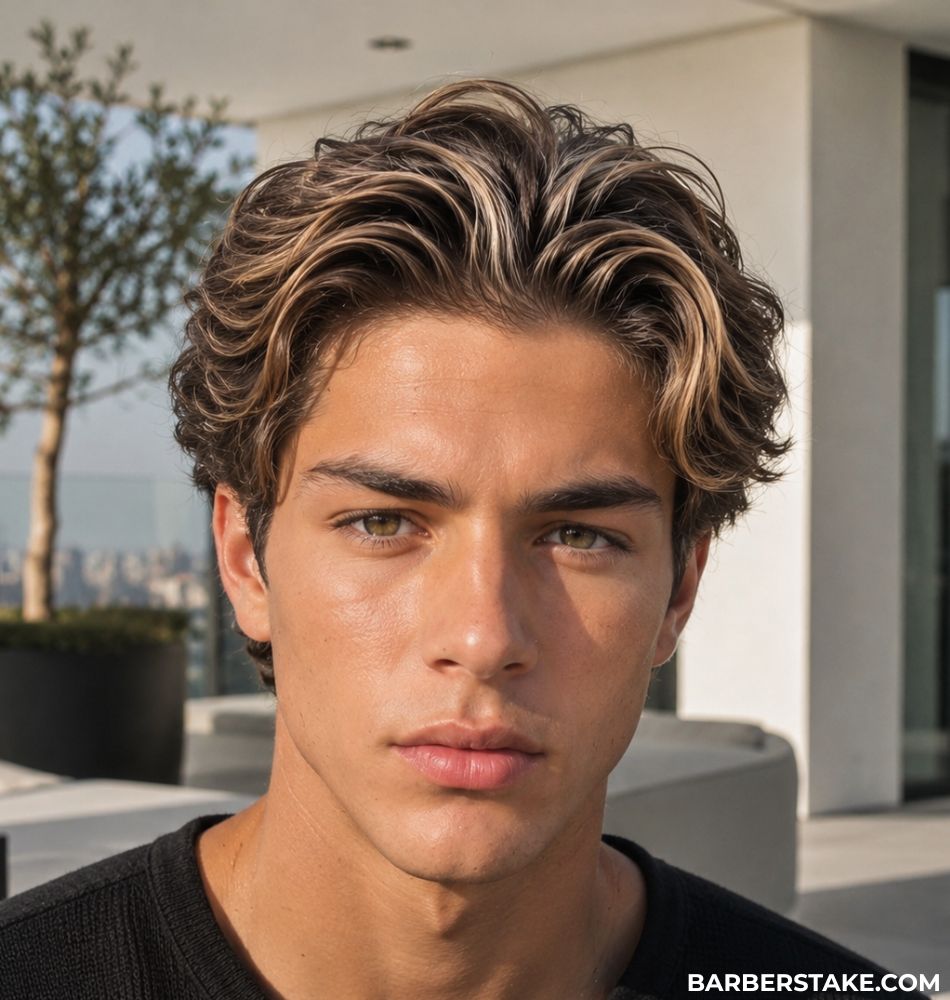
If your hair has a strong growth direction, a cowlick or a stubborn spot at the crown, mention it before the cut starts. The flow depends on your hair falling in a specific direction, and a cowlick that fights that direction can undermine the whole cut. A barber who knows your growth pattern can cut the flow so it works with your hair instead of against it. “Sometimes a cowlick is actually useful because it gives the style natural lift. I’d rather adjust the direction of the flow a little and use that movement than make you fight the same section with heat and product every morning,” Garibay explains.
Confirm Whether You Want a Beard Line Discussion
If you wear a beard, let your barber know before they start so the cut can be planned to interact cleanly with the beard line. The flow-and-beard combination is more visually cohesive when both are shaped in the same visit.
Before Getting A Flow
A few honest considerations are worth thinking through before you commit to the flow, especially if you’re growing your hair out to reach the cut. In my time behind the chair, the clients who are happiest with this style are the ones who matched the variation to their hair type and their daily routine, not just to a photo they saw online.
Your Hair Texture
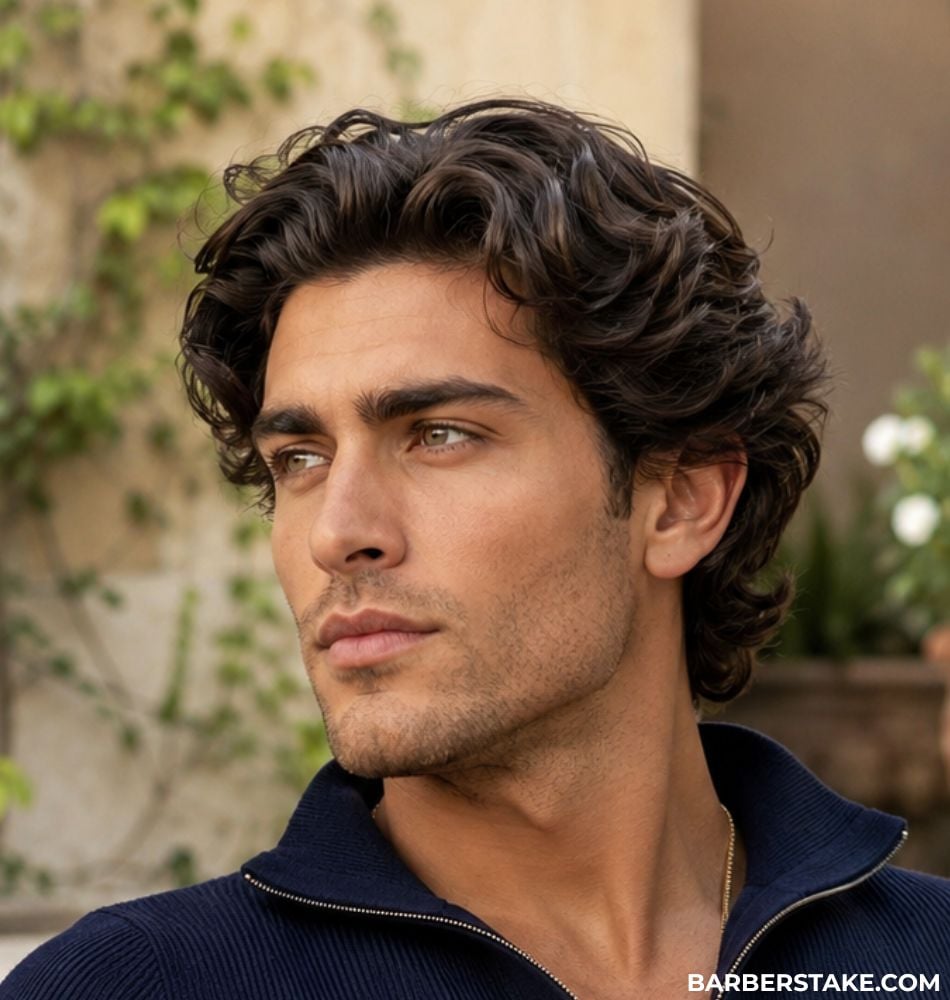
The flow behaves differently across textures, and each version has its own personality. Wavy hair produces what many people picture as the classic flow, with natural body and movement carrying the shape. “Real wavy hair is honestly the easiest canvas for this style because the bend gives you volume for free,” says Mondragon.
Curly hair leans into a more voluminous, defined version that reads bolder. Straight hair produces the sleekest and most polished take. Fine hair may struggle to hold the volume the shape depends on and can benefit from layered cuts, while thick hair usually needs some interior thinning to prevent the length from sitting heavy.
“With thick hair, I’d rather remove weight inside the shape than keep shortening the outside. With fine hair, I usually do the opposite and preserve density, because too much layering can take away the fullness you need for the flow to look connected,” Garibay explains.
The Grow-Out Reality
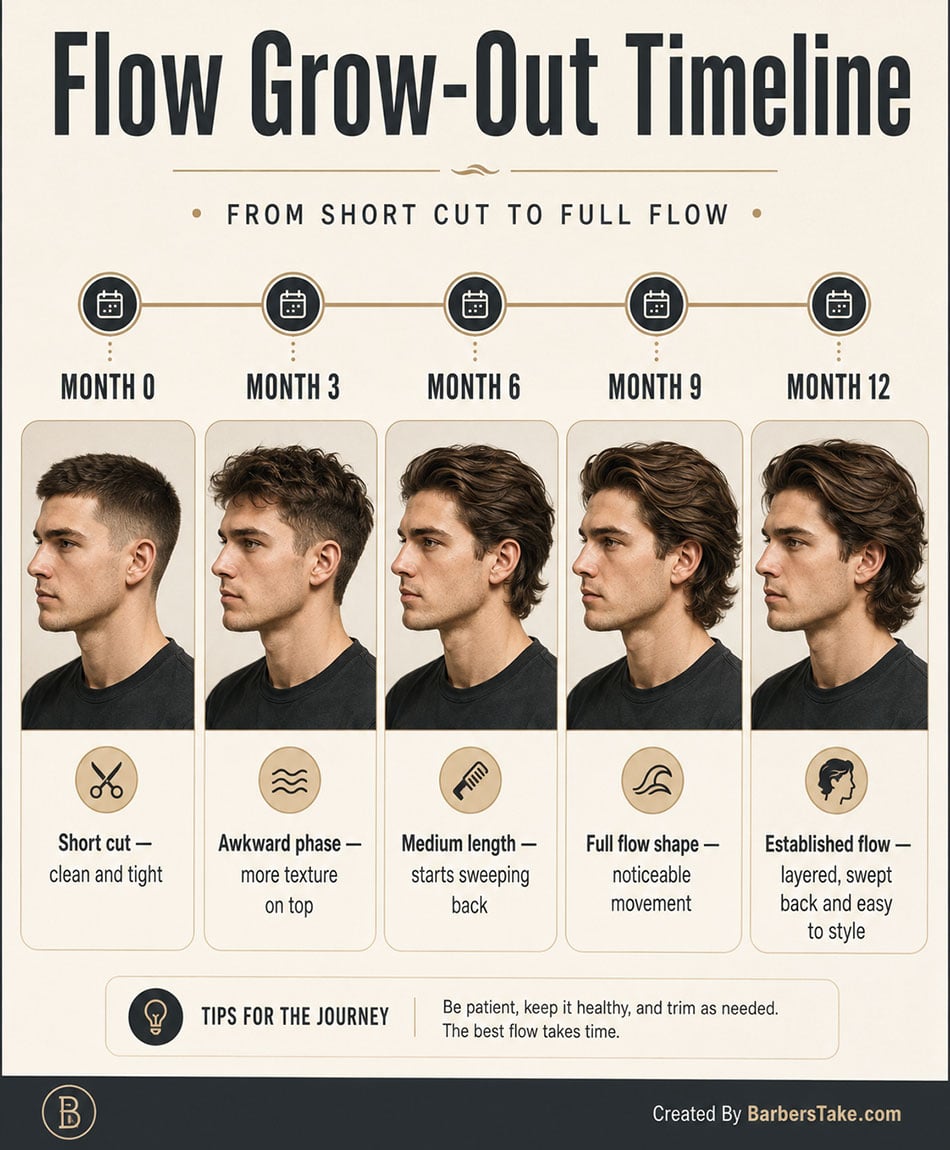
Growing your hair out to reach a full flow can take six months to a year, sometimes longer. The middle stages are frequently awkward, with the length sitting in the in-between zone where it can’t be styled cleanly in any direction. This is the phase that tests most guys, and it’s where a good barber earns their keep by shaping the grow-out at each visit so the cut still reads intentional. Be honest with yourself about your patience before you start.
Know What To Trim, and What To Leave Alone
Growing a flow does not mean avoiding the barbershop for eight months. It means changing the purpose of the appointment. Your barber will preserve the sections required for movement while controlling the areas that make the grow-out look neglected.
The front, upper sides and hair behind the ears usually need to keep gaining length because those sections eventually create the sweep and connected silhouette. The neckline can be cleaned, damaged ends can be lightly dusted and excess weight can be removed where the crown or temples begin to balloon.
Guys growing from a skin fade need particular patience. A subtle taper around the sideburns and neckline is a better transitional cut because it sharpens the perimeter while allowing the upper sides to catch up.
“The biggest grow-out mistake I see is asking the barber to clean up everything without explaining the final goal,” says licensed barber Sebastian Mondragon. “The barber naturally restores the old short shape, and the client loses six weeks of progress. Say clearly that you are growing a flow and identify the sections that should only be shaped, not shortened.”
Your Daily Routine
The flow needs a small amount of daily attention to look its best, more than a buzz cut or a fade but far less than a fully styled slick back. Plan on a few minutes of styling in the morning, plus a healthy hair-care routine to keep the length in good shape. If you can’t commit to those minutes, a shorter version of the flow will look better in your day-to-day than a longer one you don’t have time for.
Your Workplace
The flow reads casual and youthful in most settings, so consider your professional environment before committing to a longer version. A slick back flow, a flow with taper or a short flow all read cleaner and more polished than a hockey flow or a long flow. Creative and casual workplaces have more room for the bolder versions.
“For longer hair to look professional, pay attention to the perimeter before you reach for a stronger product. Clean hair around the ears, healthy ends and a controlled direction usually do more for polish than making the whole style stiff or shiny,” Garibay suggests.
Your Head Shape and Features
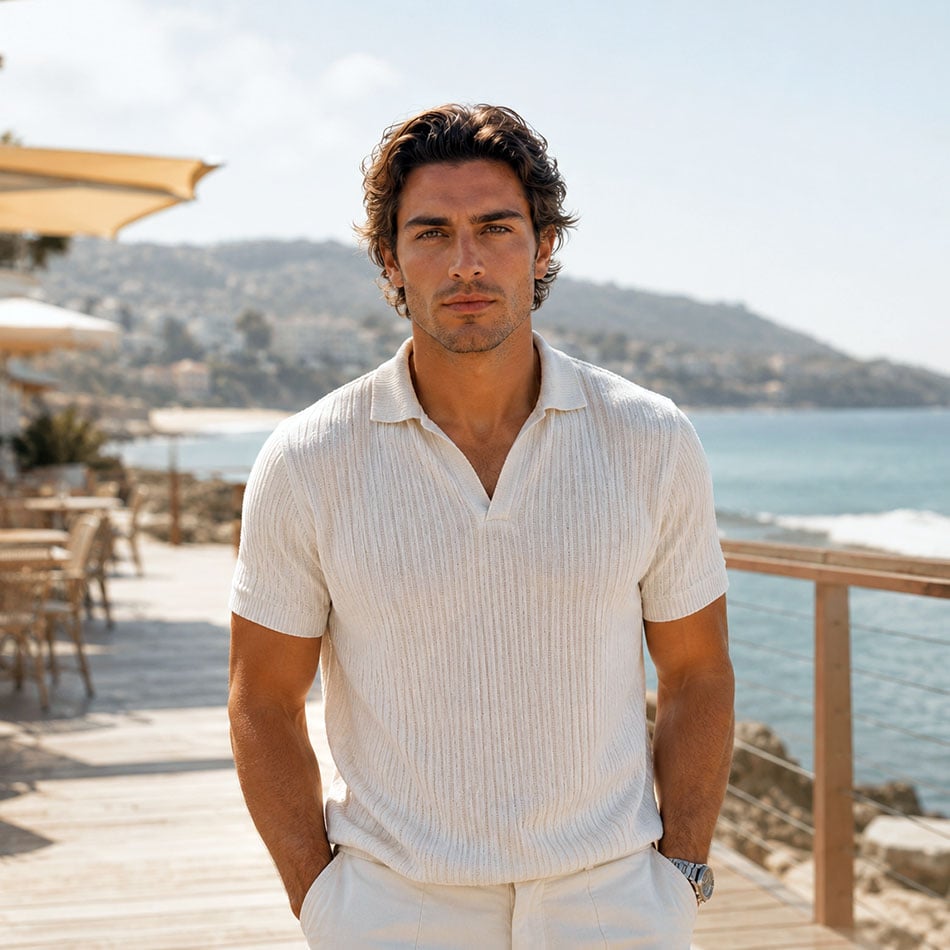
The flow puts the length and movement of your hair on full display, which changes how your face and head shape read. A longer flow can visually lengthen a shorter face, while a wider or shorter cut can add balance to a longer one. A good barber will help you find the version that flatters your proportions rather than fighting them.
How to Style a Flow Haircut
Styling a flow is more about direction and finish than about using a strong product combination. The shape does most of the visual heavy lifting, so the goal is to keep the movement intentional and the length healthy.
Start With Damp, Not Wet Hair
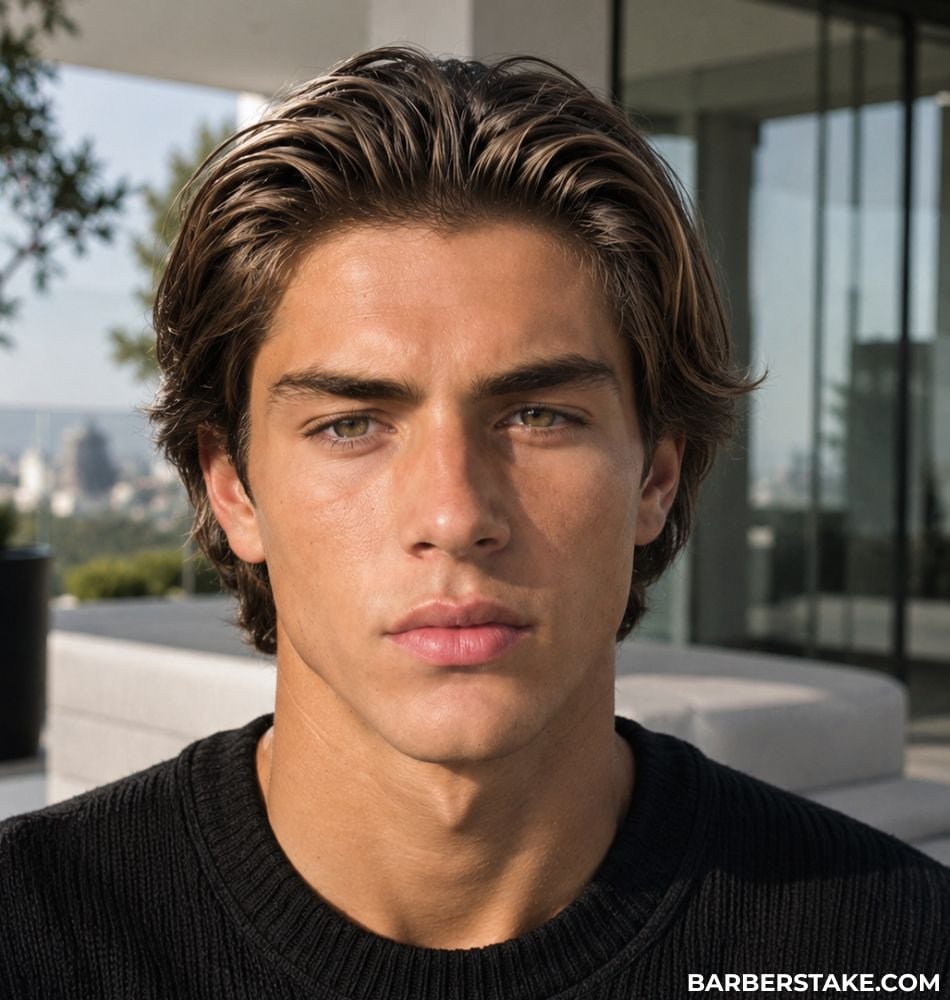
Damp hair gives you control over direction while still letting the shape set as it dries. Soaking wet hair takes too long to style, and completely dry hair fights the direction you want it to go. Towel dry until the hair is damp, then start styling.
Blow-Dry in the Direction of the Flow
The single most important styling step is blow-drying the hair in the direction you want it to sit. “The blow dryer trains the hair over time, not just for the day. Push it back while it’s damp every morning, and the roots will gradually begin to fall that way on their own, making styling easier week by week,” says Mondragon.
Point the dryer at the roots and direct the hair back and toward the sides while guiding it with your fingers or a round brush. Straight and wavy hair benefit especially from this technique because it sets the shape for the entire day. Curly hair should be diffused on low heat rather than blown straight to preserve its natural pattern.
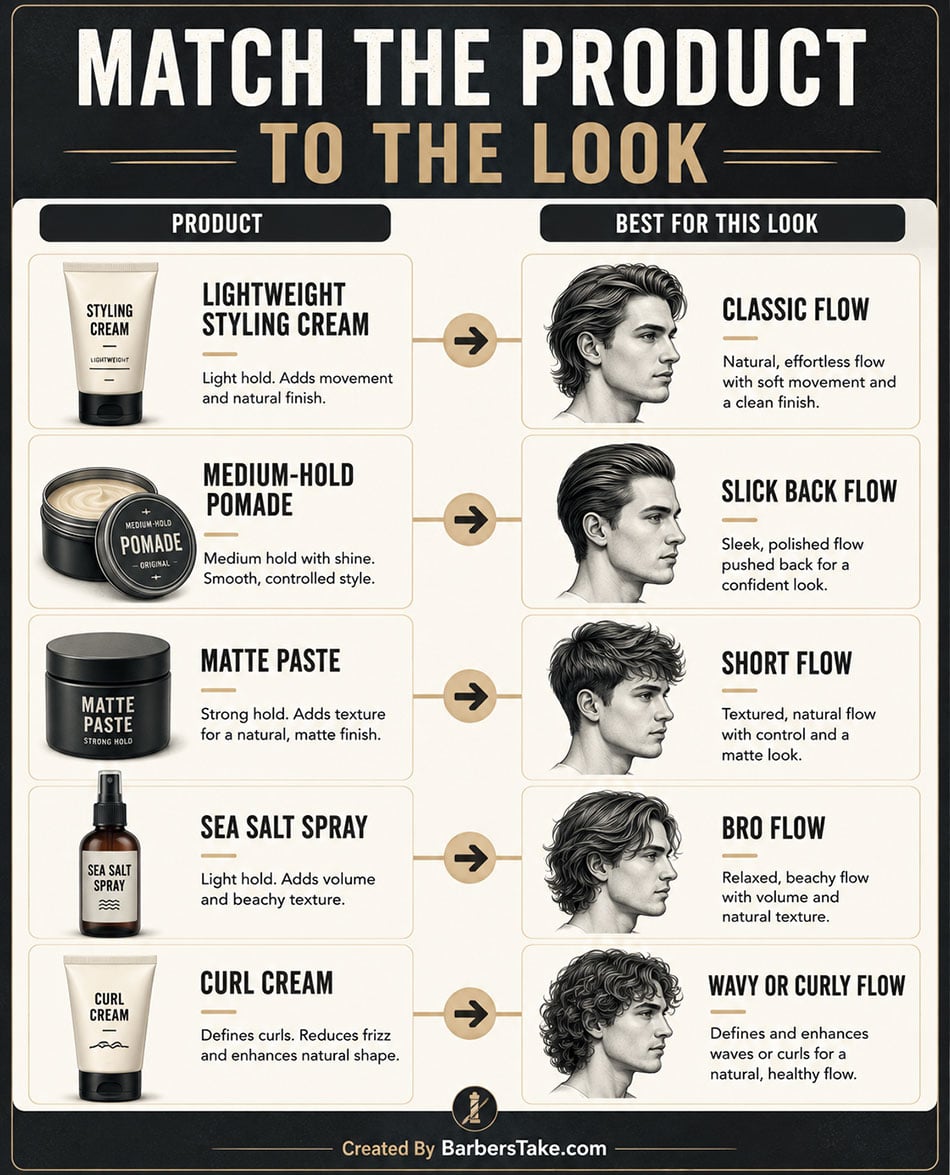
Match the Product to the Look
The product you use should match the finish you want. A lightweight styling cream keeps the flow soft and mobile. A medium-hold pomade with light shine leans more polished and slick. A matte paste or texture powder suits messier, more textured versions of the cut. A sea salt spray adds grip and volume to wavy and curly variations. Whatever you choose, use less than you think you need, since heavy product weighs the length down and kills the movement that defines the cut.
“My rule is that the product should disappear into the hair. If you can feel it, you’ve used too much, and that extra weight will pull the movement flat by mid-afternoon,” explains Mondragon.
Shape With Your Fingers, Finish With Restraint
Once the hair is dried, shape it with your fingers rather than a comb for a natural finish, or comb it through for a sharper, more defined look. Either way, restrain the urge to keep touching the hair through the day. The flow reads best when it’s set once in the morning and left alone.
Care for the Length Itself
Longer hair needs different care than short cuts. Condition it regularly to keep it from drying out at the ends. Avoid washing every day, since stripping the natural oils makes the hair harder to style and more prone to damage. Use a wide-tooth comb on wet hair to detangle without breakage. These small habits are what separate a flow that looks great in month six from one that looks stringy by month four.
A Barber’s Advice for a More Attractive Flow
A few small things separate a flow that reads intentional from one that reads like you just skipped a haircut. These are the pointers I share most often with clients working on their length.
Trim Even While Growing Out
The most common grow-out mistake I see is skipping trims entirely, thinking every visit sets you back. It’s the opposite. Regular light trims every six to eight weeks remove split ends, shape the grow-out and keep the cut looking intentional at every stage. A good barber knows how to trim without sacrificing your length target.
“Guys assume every trim during a grow-out sets them back, but a light dusting of the ends barely touches your progress. What it actually does is keep the perimeter shaped, and shape is what gets you through the awkward middle stage.”
Eric Garibay, Licensed Barber
Work With Your Growth Pattern
The flow depends on hair falling in a specific direction. If your hair naturally grows against that direction, forcing it into place every morning becomes a losing battle. Work with your growth pattern by choosing a version of the flow that suits it, or by getting the hair cut so the length falls the way you want it to. A skilled barber can adjust the cut to compensate for cowlicks and stubborn spots.
Invest in Better Hair Care
Longer hair asks more of your hair-care routine than short hair does. A quality conditioner, a leave-in treatment and the occasional hair mask make a visible difference in how the length looks and feels. This isn’t optional for a good flow; it’s the foundation.
Consider a Round Brush
Guys with straight or wavy hair can benefit significantly from a round brush during blow-drying. It lifts the roots, sets the direction and adds volume in ways your fingers alone can’t match. A basic round brush and a decent hair dryer make more difference to a flow than most styling products do.
Learn When to Wash
Over-washing dries out longer hair and makes it harder to style. Most guys can wash their hair two to three times a week rather than daily, and the length will look and feel healthier for it. On non-wash days, a quick rinse and re-style keeps things fresh without stripping the natural oils.
“Most guys with length are simply washing too often. Two or three washes a week preserves the oils that allow longer hair to sit right, and in my experience, a flow usually behaves better on day two than it does straight out of the shower.”
Sebastian Mondragon, Licensed Barber
Time Your Photos and Big Events
The flow looks its best about a week after a trim, once the cut has softened slightly but hasn’t started to grow out of shape. If you’re planning a big event or photos, time your barber visit accordingly rather than getting cut the day before.
Cut Maintenance
The flow is forgiving between visits compared to a fade or a shorter structured cut, but it still has a maintenance rhythm worth understanding. These are the guidelines I give every client who leaves the chair with a flow or is growing one out.
How Often to Get It Cut
Plan on a light trim every six to eight weeks to keep the shape sharp and remove split ends. If your flow has a taper or a fade, the sides will need attention every three to four weeks to keep the outline crisp. A pure flow without shorter sides can stretch to eight or ten weeks between full trims, though the ends will start to look wispy toward the end of that window.
Caring for the Length
Longer hair needs more care than short cuts, full stop. Use a moisturizing shampoo and a nourishing conditioner two to three times a week, and consider a weekly leave-in treatment or hair mask to keep the length healthy. Avoid stripping shampoos and skip the daily wash if you can. Dry ends are the number one giveaway of a poorly maintained flow.
Our Favorite Product For The Look
Native Shampoo and Conditioner Set
- Offers a simple two-step hair care routine for better everyday styling
- Shampoo removes excess oil and buildup for a clean base, enhancing volume and texture during styling
- Conditioner softens hair, reduces frizz and makes it easier to shape and control your desired look
- Both formulas are free of sulfates, silicones, parabens and dyes
If you make a purchase through our link, we may earn a small commission at no extra cost to you.
Protective Habits
Small habits protect the length from breakage and damage over time. Sleep on a satin or silk pillowcase to reduce friction. Use a wide-tooth comb to detangle wet hair rather than a fine-tooth comb or a brush. Avoid tight ponytails or man buns that pull at the hairline, and use a soft hair tie if you do pull it back.
Between-Visit Refreshes
A quick spritz of water or a leave-in refresher spray revives the flow in the morning without needing a full wash. Re-style with your fingers and a small amount of product, and you’re set for the day. Learning this quick refresh saves you a shower and keeps the flow looking better through the week.
Frequently Asked Questions
What is a flow haircut?
A flow haircut is a longer men’s style that keeps significant length on top and lets the hair sweep back and to the sides with natural movement leading the shape. The cut relies on the hair’s texture and volume to create a swept, effortless look rather than a structured, combed one. It ranges from short flows with a few inches of length to long flows past the shoulders.
Is a flow haircut in style?
Yes. The flow is a stylish, popular haircut trend, appearing in barbershops in both classic and modern variations. Its adaptability across hair textures and length preferences, along with newer takes like the two block flow and flow with fade, have kept it relevant rather than tying it to a single moment.
How long does hair need to be for a flow?
The minimum length for a recognizable flow is around three inches on top, enough for the hair to sweep back with visible movement. A full classic flow typically sits at four to six inches on top with sides long enough to blend into the shape. Longer flows can extend past the shoulders. The right target length depends on your patience for the grow-out and the version of the cut you’re after.
How long does it take to grow a flow?
Growing from a short cut to a full flow generally takes six months to a year, depending on your starting length and your hair’s growth rate. Average hair grows about half an inch per month, so plan accordingly. Regular light trims during the grow-out shape the cut without setting your progress back significantly.
Does a flow haircut work on curly hair?
Yes. Curly hair produces a bolder, more voluminous version of the flow, with the curl pattern doing the styling work naturally. Use a curl cream and diffuse on low heat to define the pattern, and consider a layered cut to keep the volume from sitting heavy. The curly flow reads distinctly from the wavy or straight versions and has its own strong appeal.
Is a flow haircut professional?
It can be, depending on the version and your workplace. A slick back flow, a flow with a subtle taper or a short flow can all read polished and appropriate for most professional settings. Longer, shaggier versions like the hockey flow or the long flow lean more casual and better suit creative or relaxed environments.
How often should I get a flow haircut trimmed?
Plan on a light trim every six to eight weeks to shape the length and remove split ends. If your flow has a taper or fade on the sides, expect to visit every three to four weeks to keep the outline sharp. Pure flows without shorter sides can stretch to eight or ten weeks between visits.
What products work best for a flow haircut?
The right product depends on the finish you want. A lightweight styling cream keeps the flow soft and mobile, a light pomade adds shine for polished versions, a matte paste suits textured or messy takes, and a sea salt spray brings out wavy and curly patterns. Curl cream is essential for curly flows. Use less product than you think you need, since heavier applications weigh the length down.
Can I get a flow with thin hair?
Yes, though the version you choose matters. A layered flow with volume-boosting products suits thin hair well, since layering adds movement without dragging the hair down. A textured flow using texture powder or matte paste also works. Skip the longer, heavier versions of the cut, which can emphasize thinness rather than mask it.
What’s the awkward stage of growing a flow?
The awkward stage typically hits around three to five months into the grow-out, when the hair is long enough to lose its short-cut shape but too short to fall into a proper flow. During this stretch, the length sits in the in-between zone where it can’t be styled cleanly in any direction. Regular trims and slightly more product usage help the cut still read intentional. This phase passes; the guys who quit are the ones who don’t push through it.
Final Thoughts on the Flow Haircut
The flow has stayed relevant because it solves a real problem: it gives guys length, personality and movement without demanding the full commitment or the constant styling of a formally long hairstyle. The cut works with your natural texture, adapts across settings from athletic to polished, and rewards a small amount of daily attention with a distinctly confident look.
Whether you go for a classic swept-back version, a modern take with clean sides, a bold pairing with a beard or an athletic flow that keeps working through a workout, the key is a clear conversation with your barber, patience through the grow-out and a styling routine that suits your hair and your schedule. Bring a photo, name the version, be honest about your patience and your routine, and you’ll end up with a cut that looks as good in person as it did in your reference.
