
The messy hairstyle is a deliberately tousled men’s look built on layers, texture and loose, natural movement, designed to appear effortless while quietly relying on a well-constructed haircut underneath. It’s the style equivalent of a perfectly broken-in leather jacket: casual on the surface, considered at its core, and somehow more appealing for refusing to look like it’s trying.
The appeal spans nearly every length and texture. The most popular messy styles include roughed-up crops and quiffs, tousled waves and curls, undone fringes, bedhead looks and loose medium-length shapes, each pairing disordered movement on top with anything from skin fades to natural sides below. The look flatters thick hair by giving its bulk a purpose, rescues fine hair with visible lift, and turns natural wave and curl into the entire show.
In this guide, I’ll show you 39 stylish messy hairstyles for men, explain how to ask your barber for a cut that makes the mess work, and break down the products and finger-styling techniques that separate artfully undone from actually unkempt. I’ll also cover the honest considerations before committing and answer the questions guys ask most about wearing their hair this way.
What Is A Messy Hairstyle?
A messy hairstyle is a stylish men’s look that creates loose movement, natural volume and visible separation for a relaxed, textured finish. Rather than combing the hair into smooth lines or forcing it into a rigid shape, the strands are directed in slightly different directions to achieve a casual, lived-in appearance. Most modern variations use matte clay, styling paste or sea salt spray to add definition without excessive shine, giving the hair an effortless vibe even when the finished look is carefully styled.
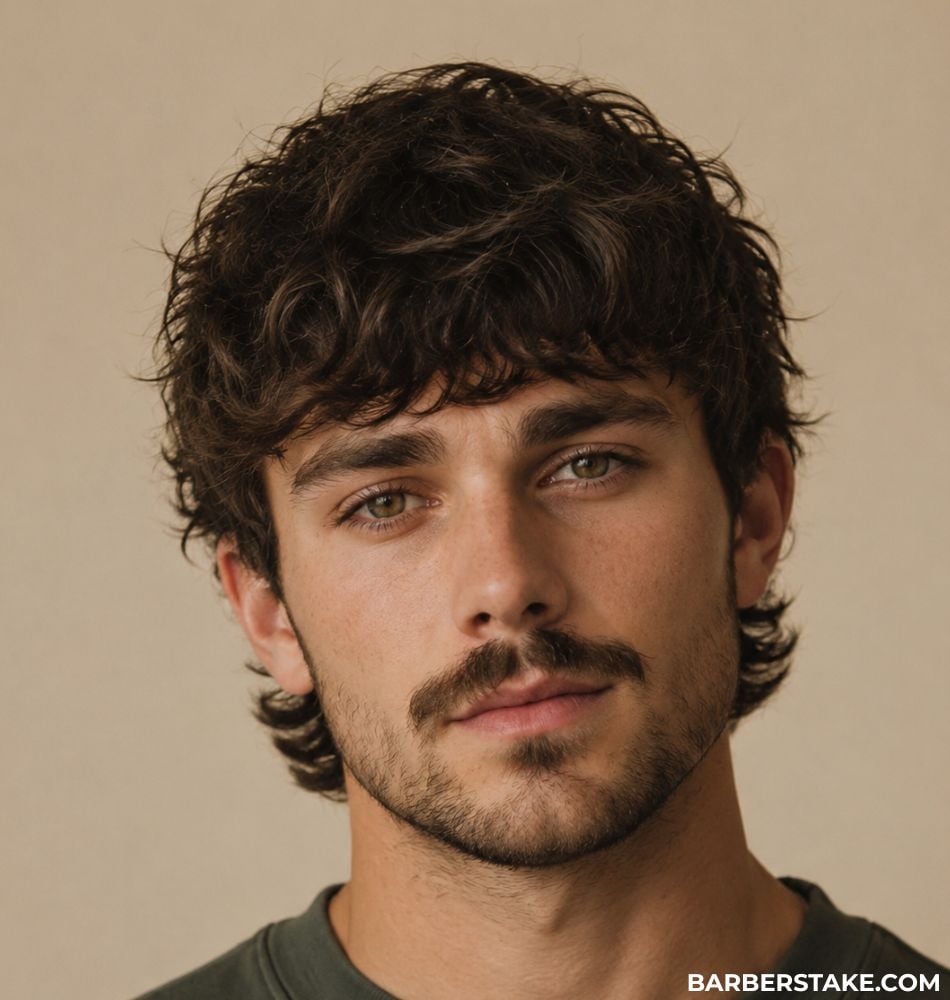
Despite its carefree appearance, a great messy hairstyle depends on a precise, well-structured haircut. A skilled barber will use layering, point-cutting, texturizing and strategic weight removal to create movement while controlling unwanted bulk.
Thick hair may need more weight removed, while fine hair requires softer texture and enough length to maintain fullness. Ask your barber to tailor the layers to your density, texture and natural growth pattern. Without the right foundation, tousling can make the hair look puffy, flat or shapeless rather than intentionally undone.
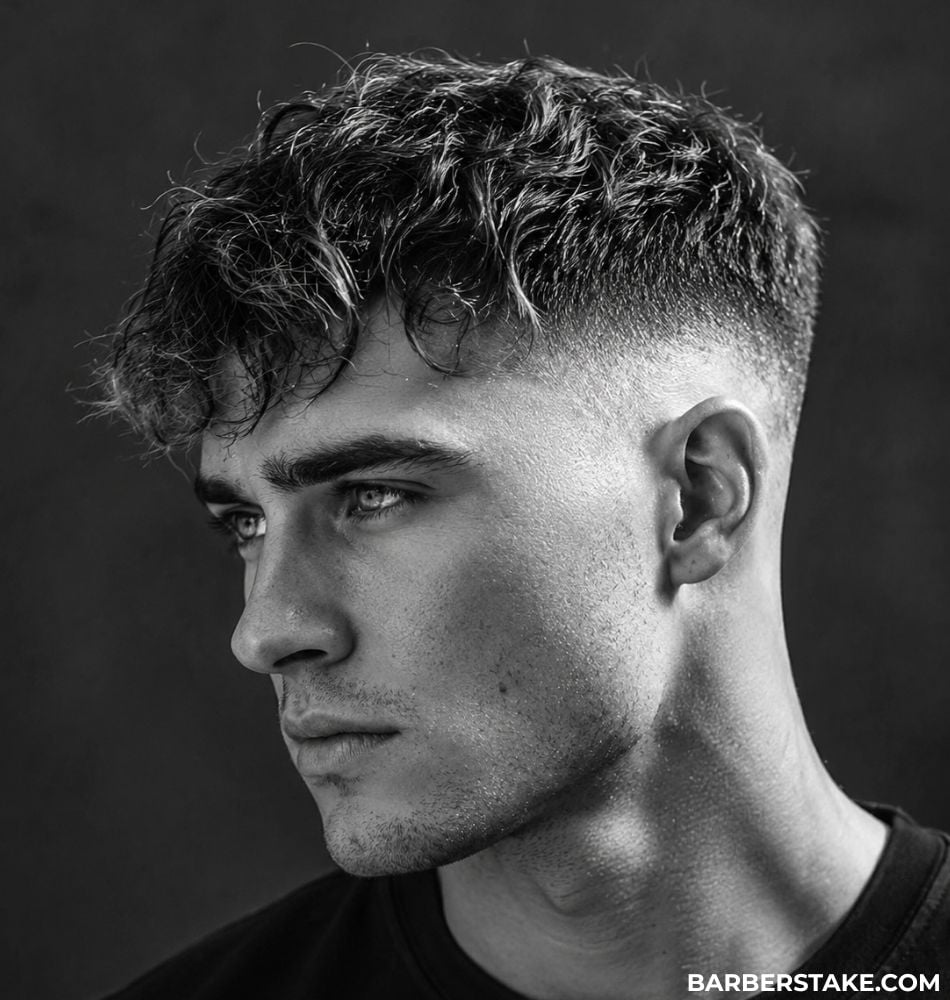
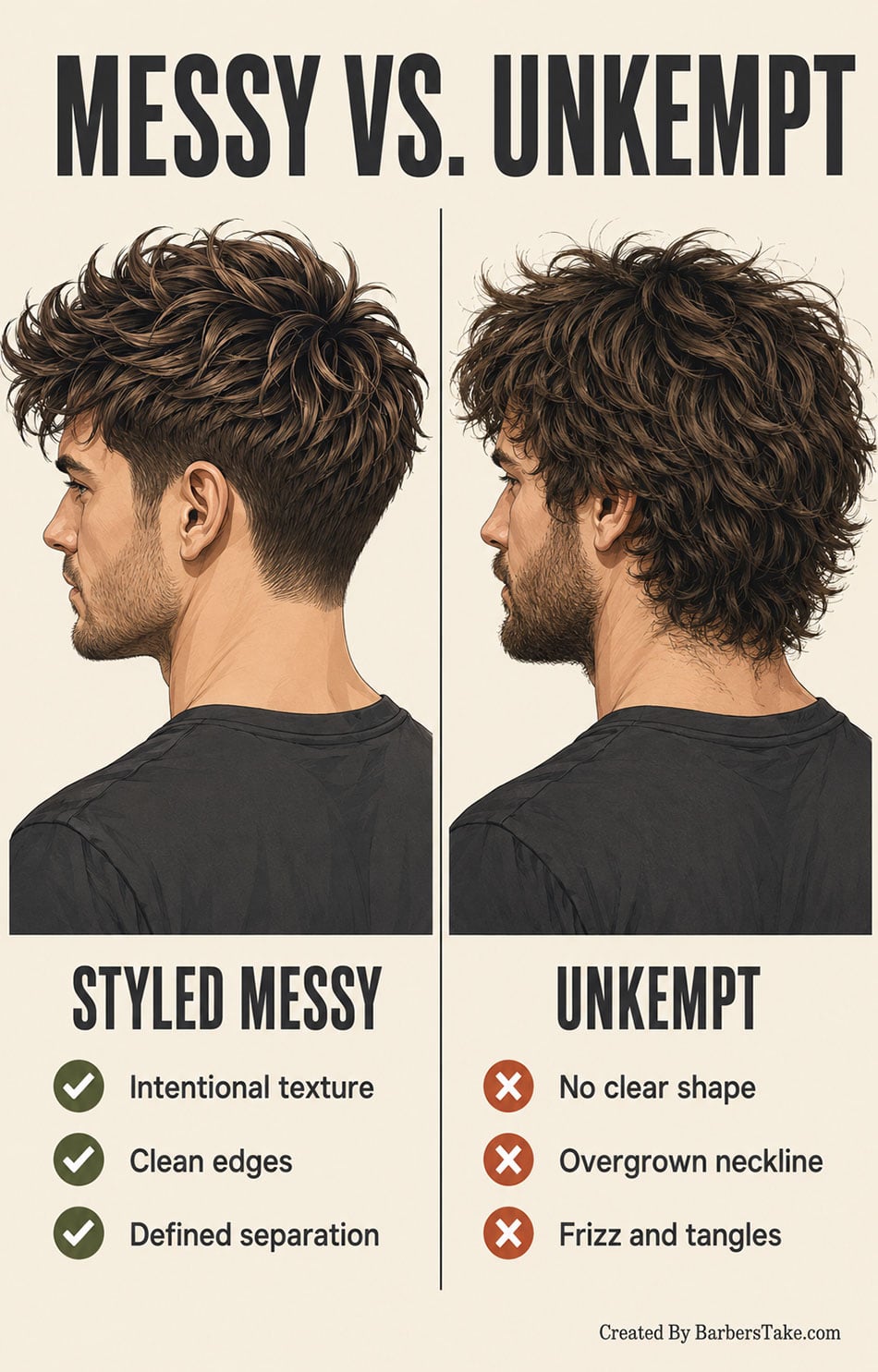
A messy hairstyle should also look relaxed, not neglected. Clean edges around the ears and neckline, balanced layers and healthy, conditioned hair provide the necessary structure, while the textured top adds personality and movement. The contrast between a tidy perimeter and loose styling is what makes the look work. When cut and styled properly, the result feels youthful, confident and effortlessly cool instead of unkempt.
Trending Messy Hairstyles for Men
Messy Brush Back
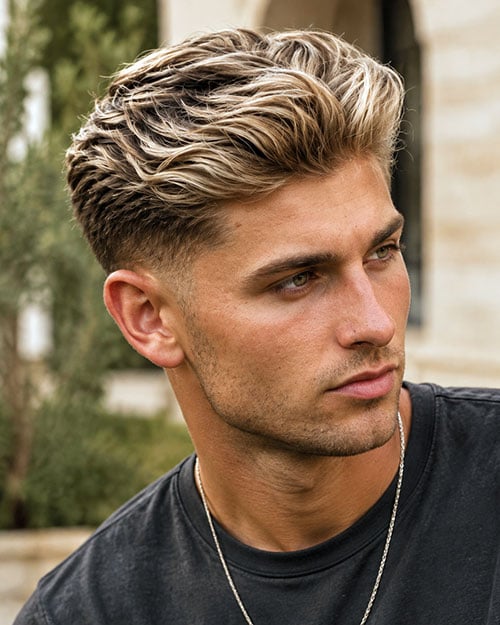
The messy brush back directs medium-length hair away from the face while preserving loose texture, uneven separation and natural volume. It’s less severe than a slick back and more purposeful than simply pushing overgrown hair behind you. This example uses a soft taper around the ears and neckline to keep the silhouette clean without disrupting the flow on top. Apply a lightweight mousse or texture spray to damp hair, then blow-dry backward with your fingers instead of a comb. Finish with a flexible cream through the mid-lengths and ends. A few strands falling forward will make the style feel relaxed rather than unfinished.
Messy Textured Crop
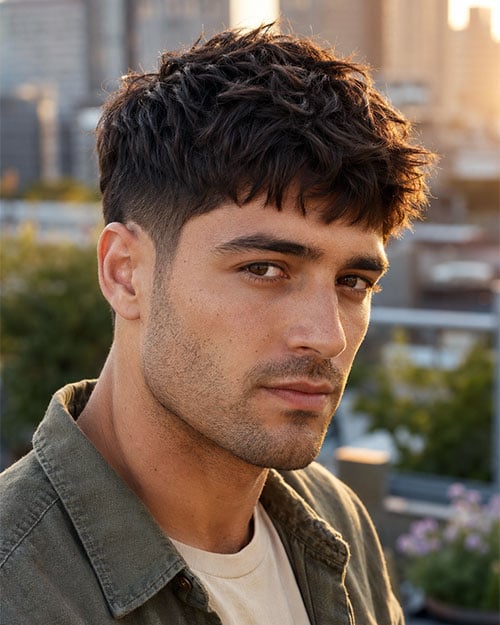
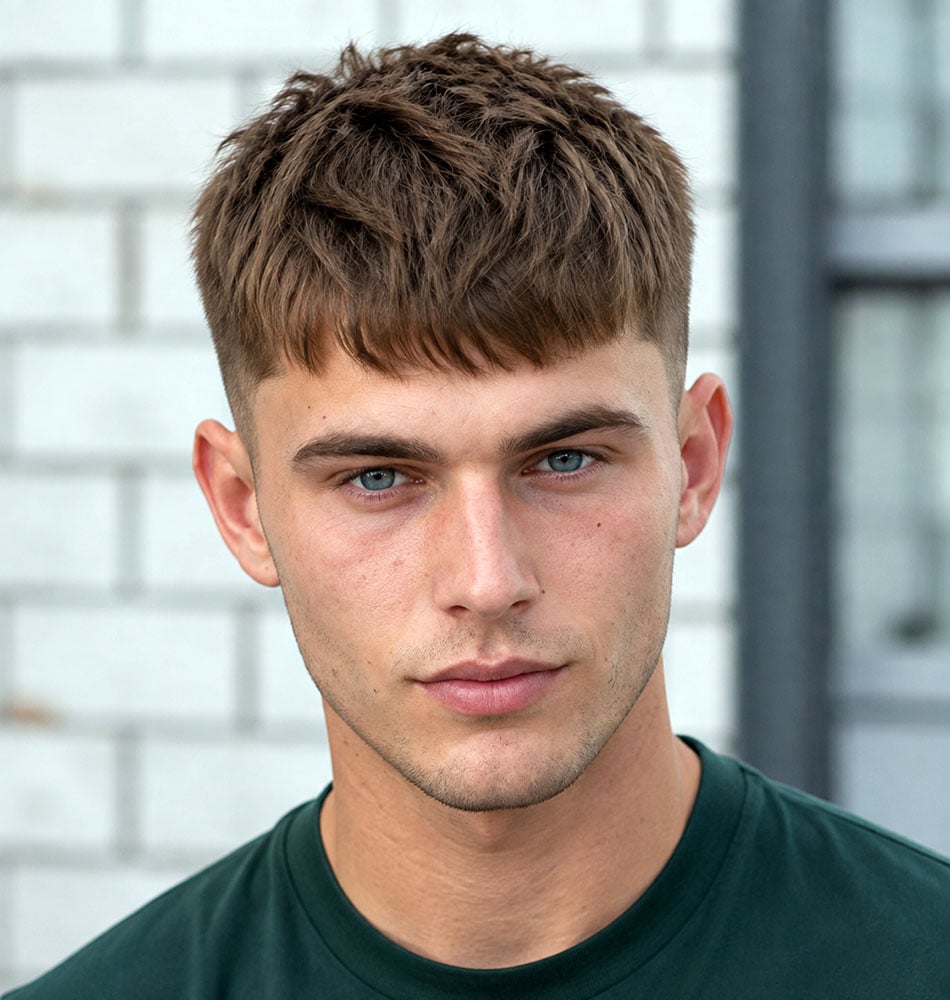
The messy textured crop breaks a short, layered top into choppy fragments pushed forward and slightly off-line, with faded or tapered sides keeping the perimeter sharp. The contrast between the disordered top and clean edges is what makes the style read intentional rather than accidental. It has become a barbershop bestseller for guys who want personality without length. Rub a pea of matte paste between your fingertips and push the top forward in mixed directions, pinching a few pieces for separation.
Messy Quiff
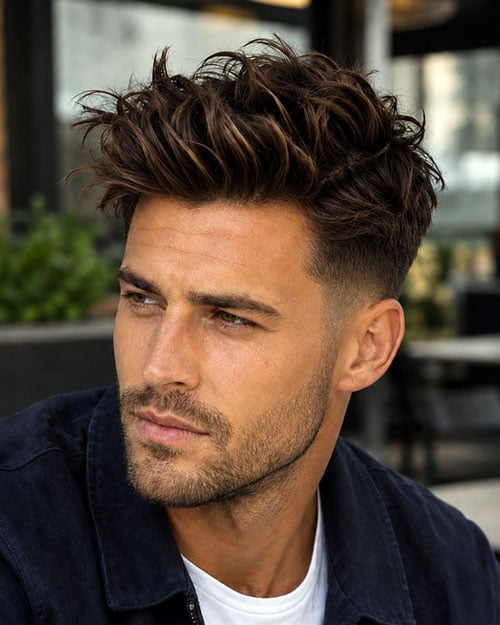
The messy quiff lifts the front section up and back with loose, imperfect volume instead of the sculpted sweep of the classic version. The lift stays airy and slightly collapsed in places, which reads younger and more relaxed than a mirror-finished quiff. The sides stay short so the tousled height owns the look. Blow-dry the front upward with your fingers rather than a brush, then rough in a matte clay, leaving strands loose.
Messy Fringe
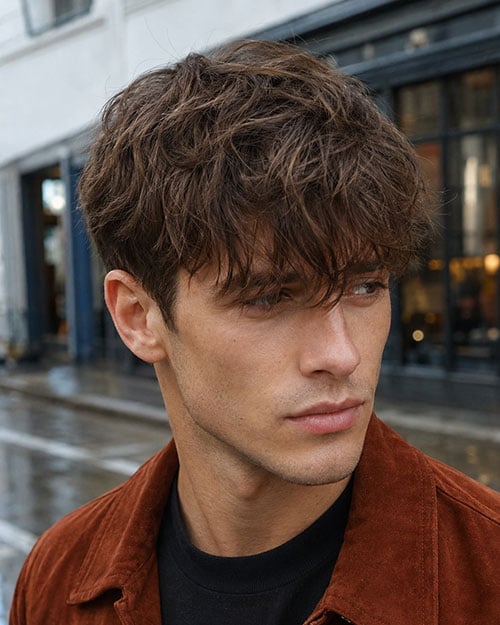
The messy fringe drops a broken-up front section over the forehead in scattered, piece-y strands rather than a solid line. The fragmented fall softens the face and carries an easy, boyish energy that a blunt fringe can’t fake. The rest of the cut stays short to keep the eye on the front. Work a light paste through the fringe with your fingertips, pushing pieces down and slightly sideways so no two strands agree.
Messy Waves
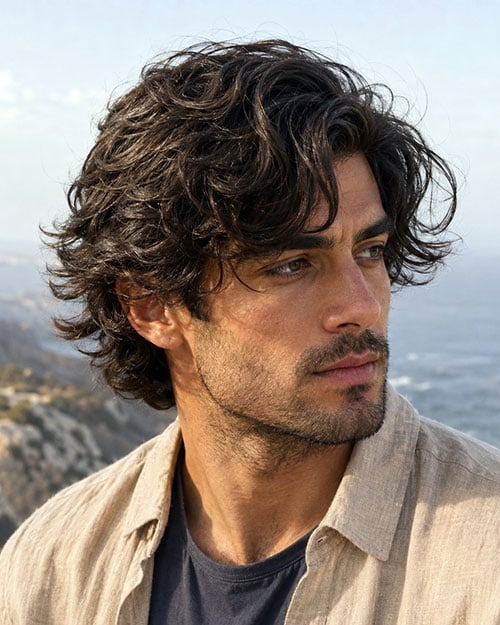
The messy waves style lets natural wave do the heavy lifting, roughing the pattern into loose, irregular movement across a medium-length top. The bends catch light and hold separation on their own, so the styling job is mostly encouragement rather than construction. Wavy hair wearing this look is the closest thing to a cheat code in men’s styling. Mist sea salt spray onto damp hair, scrunch upward, and let it air dry untouched.
Messy Curls
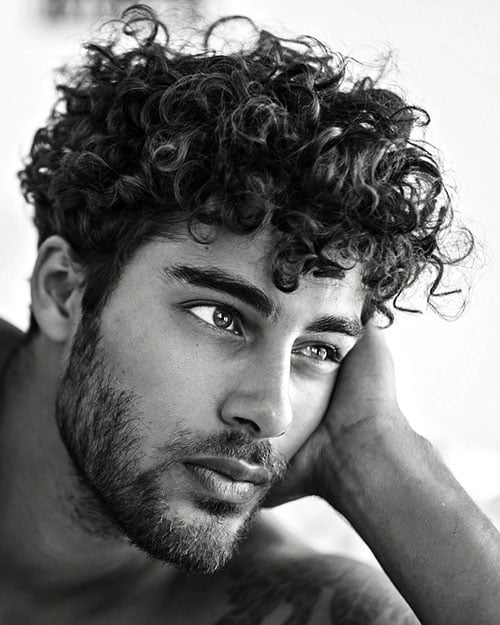
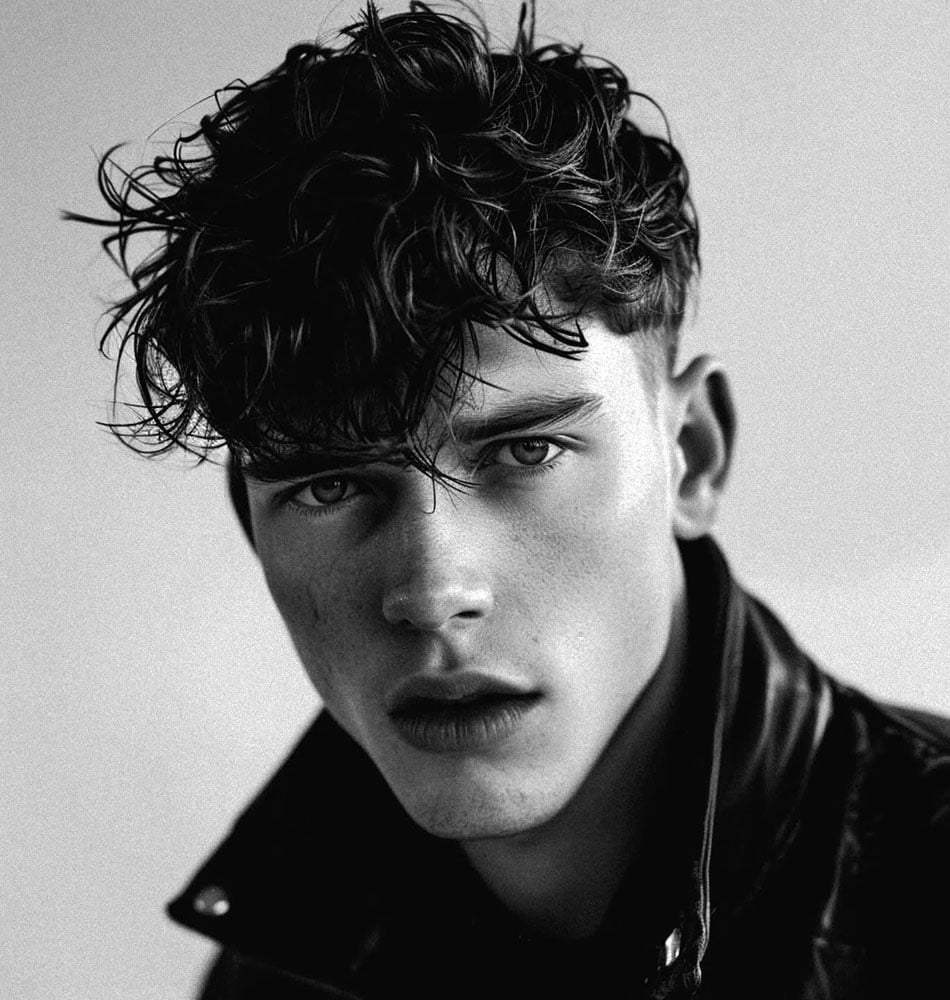
The messy curls look keeps natural curl defined but unarranged, with the coils falling in loose disorder across the top while the sides stay tapered for balance. The trick is hydration: defined, moisturized curls read stylishly wild, while dry curls read frizzy. The distinction is entirely product and care, not cut. Rake a curl cream through damp hair, scrunch, and air dry or diffuse on low, then break up the formed curls gently with your fingers.
Messy Hair Fade
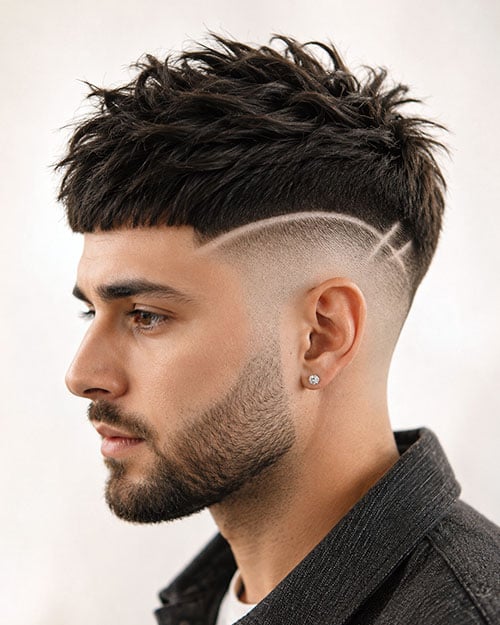
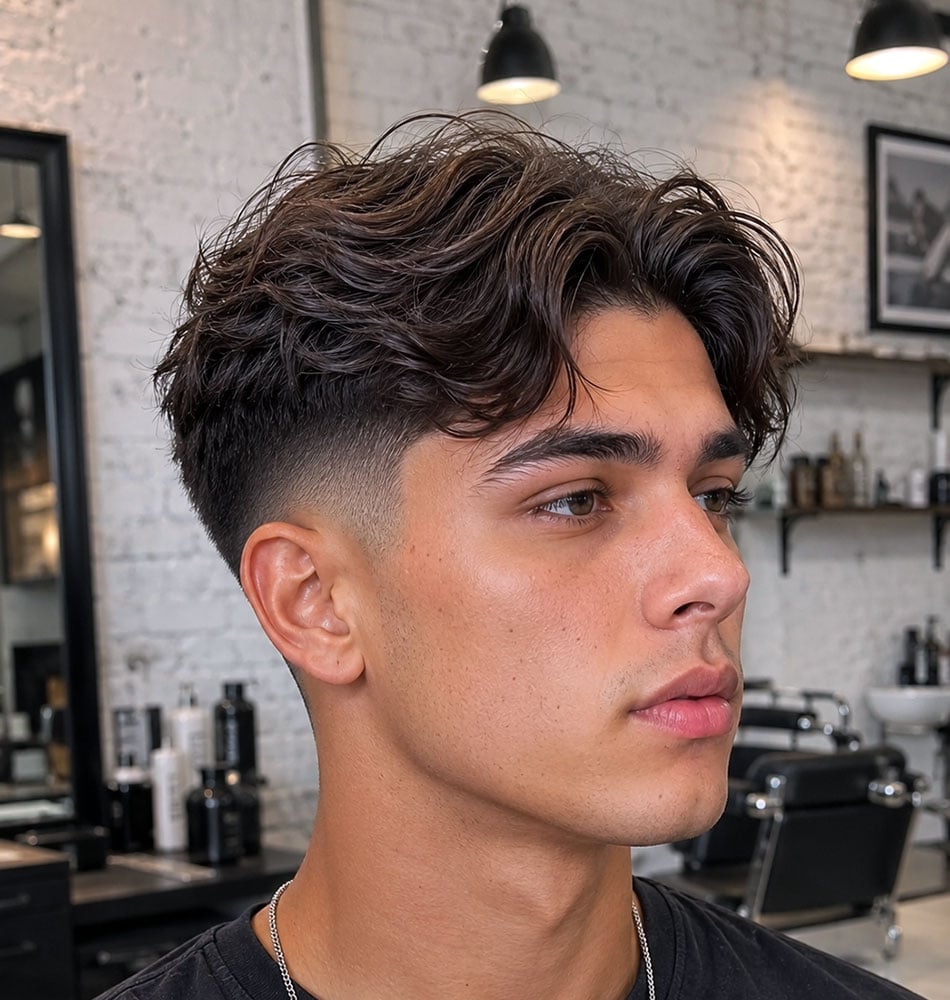
The messy hair fade is a modern men’s haircut that pairs a deliberately tousled top with smoothly blended sides and back, creating a clean frame around loose texture. This cut can be combined with a low fade for understated contrast, a trendy mid fade or an edgy high fade that puts more emphasis on the length above. When I worked behind the chair, the most convincing versions were never overworked. Ask for choppy layers or point-cut ends, then rough-dry the top with your fingers. Finish with a small amount of matte clay or texture powder, separating a few sections without forcing every strand into place.
Short Messy Hair with Taper Fade
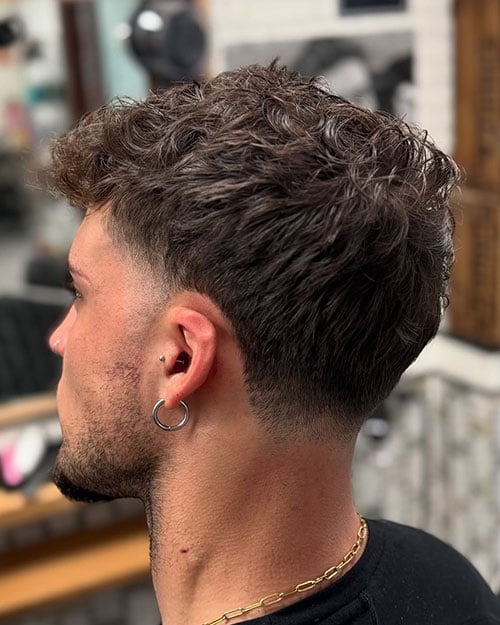
A short messy men’s hairstyle with a clean taper fade is an attractive look that keeps the top relaxed while the edges stay sharp and deliberate. Ask your barber for roughly two to three inches on top, a low taper around the temples and neckline, and point-cut texture to remove weight without thinning the style into submission. It’s especially useful for thick, straight or slightly wavy hair that tends to sit heavily. Work a pea-sized amount of matte clay through dry hair, then pinch sections apart with your fingertips. The finish should look casually disrupted, not like you lost an argument with your pillow.
Messy Spikes
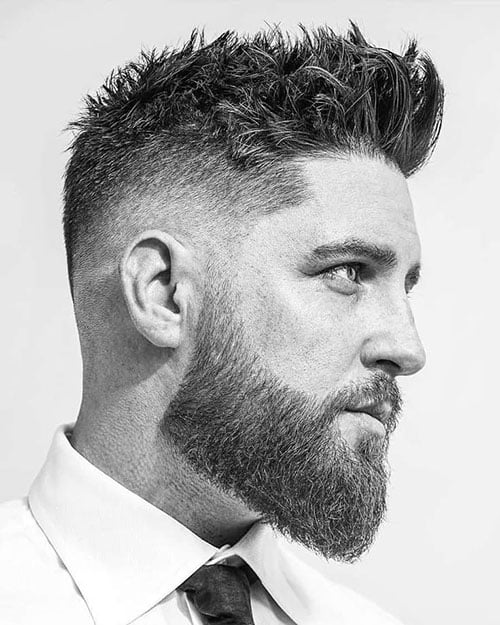
The messy spikes style lifts short-to-medium hair into irregular, softened points that lean in different directions, updating the rigid spikes of the early 2000s with a looser modern hand. The variation in height and angle is the difference between current and dated. Keep the sides short so the top reads deliberate. Work a matte clay through dry hair from roots to tips, pinching random sections upward and resisting any urge toward symmetry.
Messy Undercut
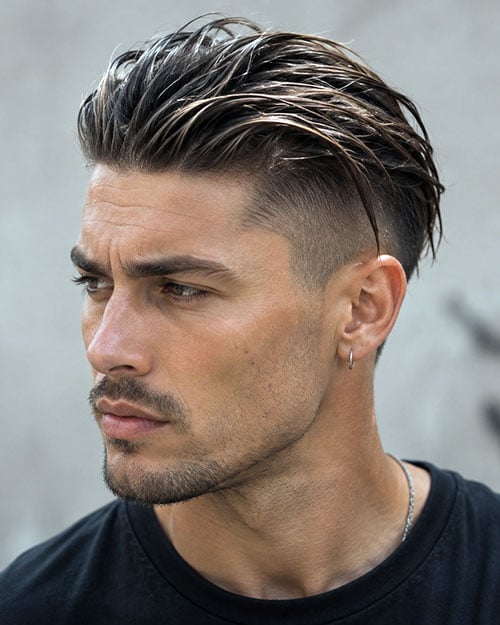
The messy undercut throws a long, disordered top over sides clipped to a single short length, letting the hard perimeter frame the chaos above. The contrast is the style: precision below, abandon on top. It’s a favorite among guys transitioning out of slicked back styles who want the same general look with less formality. Blow-dry the top loosely back and sideways, then scrunch through a texture paste and let the pieces land where they want.
Messy Hair with Skin Fade
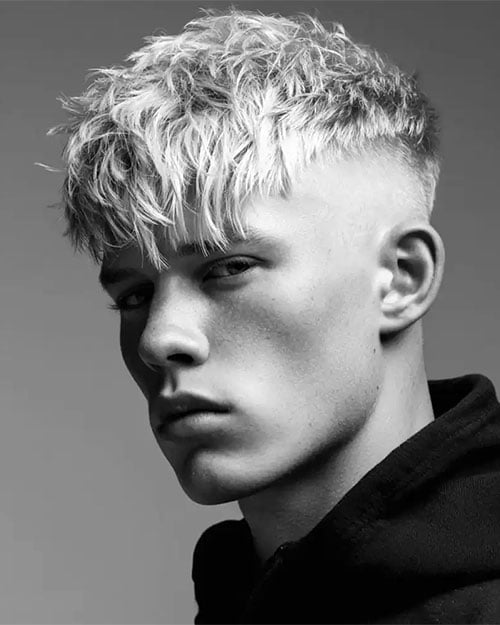
The messy hair with skin fade pairs a tousled, separated top with sides blended down to bare skin, borrowing the sharpest perimeter in barbering to legitimize the disorder above. The fade does the discipline so the top doesn’t have to. Fade height shifts the attitude: low stays subtle, mid balances, high goes bold. Style the top with texture powder at the roots and a light paste through the ends.
Messy Taper
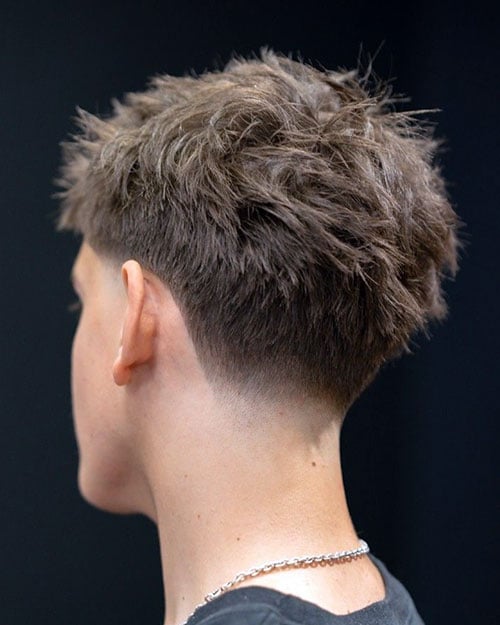
The messy taper keeps the edges conservative, shortening gradually at the ears and neckline while the top wears its loose, roughed-up movement. The soft perimeter makes this the most office-safe entry in the messy family, reading relaxed rather than rebellious. It also grows out gracefully, buying extra weeks between visits. Rough-dry with your fingers, then distribute a light matte cream through the top, pushing sections in alternating directions.
Short Messy Hair

The short messy hair look compresses the disorder into two to three inches, roughing a cropped top into quick, low-commitment texture. The abbreviated length holds its shape through wind, gym sessions and long days, and rebuilds in five seconds with dry fingertips. It’s the entry point I suggest for guys nervous about looking undone at work. Towel dry aggressively, then pinch a small dab of clay through the top and walk away.
Medium Messy Hair

A messy medium men’s hairstyle is a trendy, layered look that’s typically defined by tousled movement and volume for a natural, stylish finish. The layers keep the volume directional instead of puffy, and the extra length lets pieces genuinely fall rather than just stick up. This is the sweet spot for most textures. Rough-dry with your head tipped forward, then rake a light cream through and shake everything loose.
Bedhead Hair
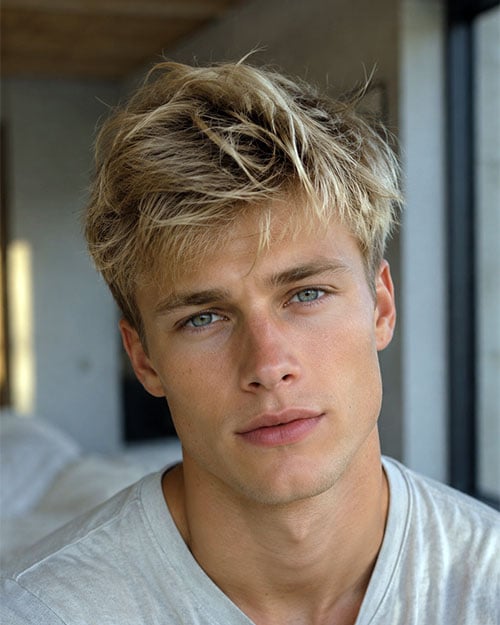
The bedhead hair style recreates the flattened-here, lifted-there landscape of actual sleep, refined just enough to pass as intentional. The trick is asymmetry with a tidy perimeter: random direction up top, clean neckline and edges below. Ironically, real bedhead rarely looks this good, which tells you everything about the styling involved. Work a texture powder into dry roots, push sections against their growth direction with your palms, and stop before it looks arranged.
Messy Side Sweep
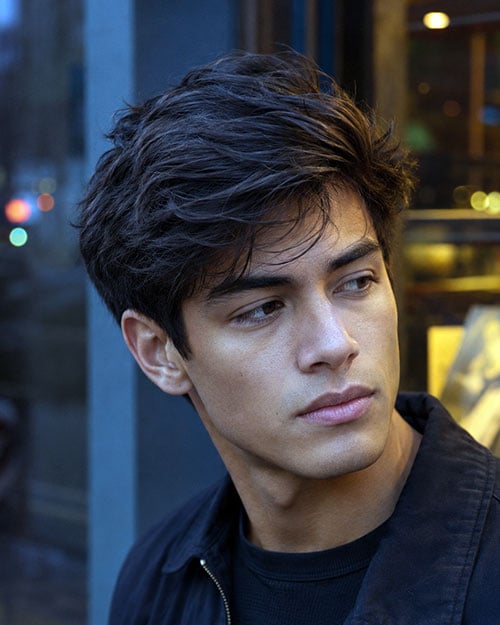
The messy side sweep pushes the front loosely across the forehead at a diagonal, trading the smooth line of a classic sweep for broken, drifting pieces. The direction stays legible while the discipline relaxes, which keeps the style flattering without feeling styled. It suits guys whose hair naturally leans to a side anyway. Blow-dry roughly in the sweep direction, then guide the front across with fingers and a whisper of matte paste.
Messy Bro Flow
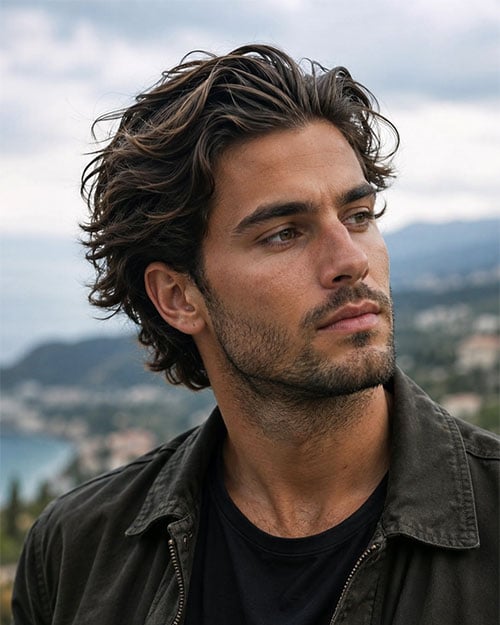
The messy bro flow pushes medium-to-long length back and away from the face with tousled, imperfect volume, loosening the classic flow into something a little wilder. The hair moves back but not obediently, with strands escaping at the temples and crown. The energy is athletic and unbothered. Push damp hair back with your fingers, mist a texture spray through, and let it dry without touching it again until it’s done.
Messy French Crop
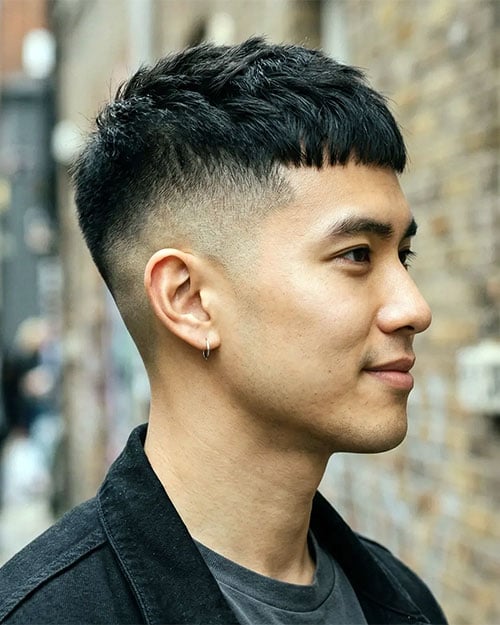
The messy French crop is a stylish, casual style that roughs up the classic look by fragmenting the blunt fringe and breaking the flat top into choppy, forward-leaning texture. The clean fade or taper below keeps the frame sharp while the top misbehaves within it. The pairing has quietly become a modern barbershop default. Pinch a matte clay through the top and fringe, angling pieces slightly off-center so the front line stays broken.
Long Messy Hair
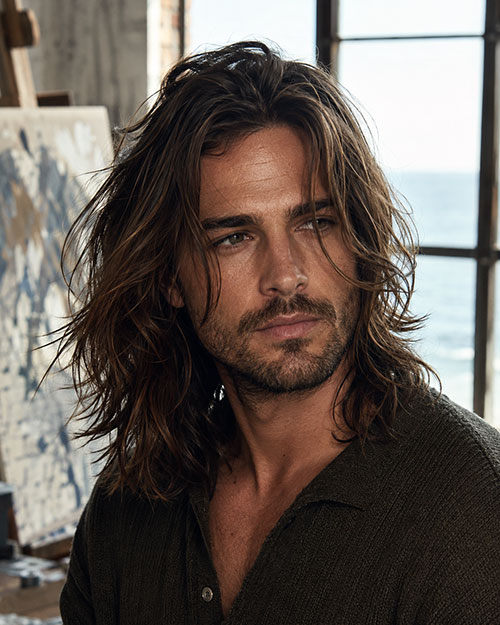
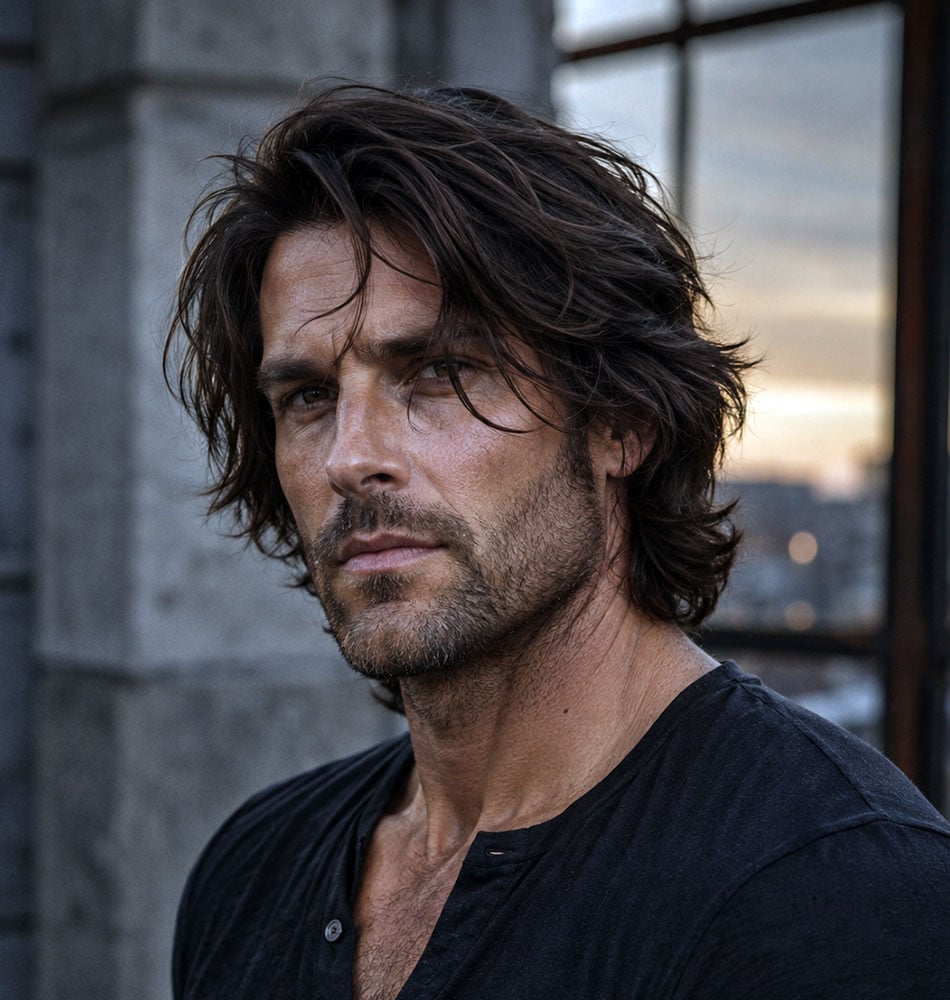
The long messy hair look lets collar-length and beyond fall in loose, lived-in disorder, with layers preventing the length from collapsing into a flat curtain. Healthy condition is what separates rock-and-roll from castaway at this length, so the care routine matters as much as the styling. The finish should look like a good night, not a hard year. Air dry with a palmful of sea salt spray scrunched through, then rake once with your fingers and leave it alone.
Messy Faux Hawk
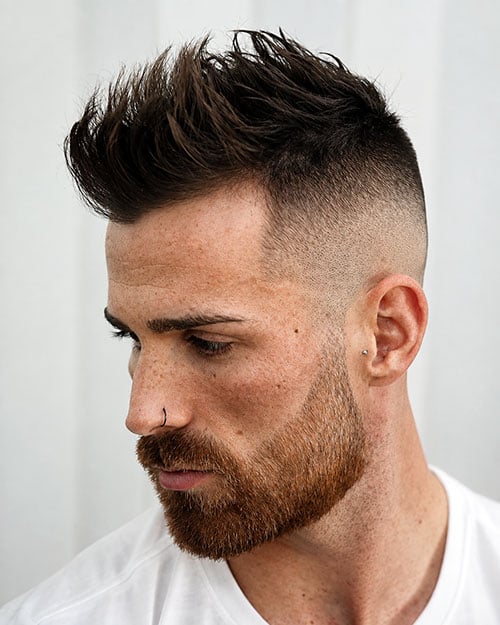
The messy faux hawk gathers the top loosely toward a central ridge, with the peak roughed and irregular rather than sculpted to a point. The softened center line delivers the attitude without the commitment or maintenance of the real thing. Tapered sides keep the shape wearable everywhere. Work a medium-hold paste through dry hair, pushing both sides toward the middle with your fingertips and leaving the ridge uneven.
Messy Mod Cut
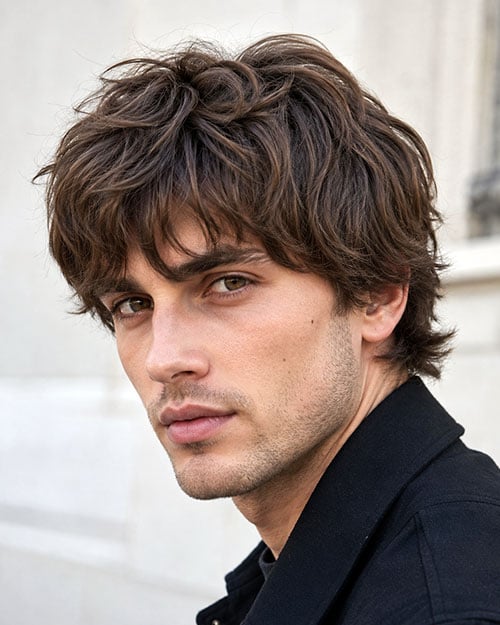
The messy mod cut combines a full, layered top with an overgrown fringe and softly tapered sides, drawing on 1960s British style without looking like a costume. This example feels current because the outline stays rounded while the surface is broken into loose, irregular pieces. Straight and wavy hair are especially well suited to the shape, although thick hair may need weight removed internally so it does not mushroom around the ears. Apply sea salt spray to damp hair, blow-dry forward with your fingers and finish with a lightweight cream. The result should feel artfully undone rather than freshly combed.
Messy Edgar
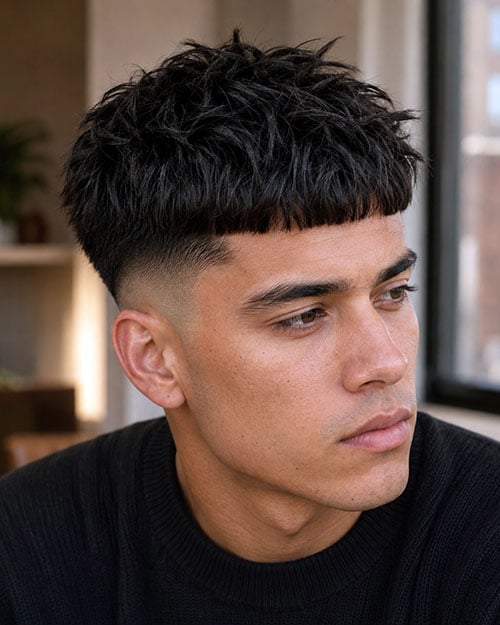
The messy Edgar keeps the cut’s unmistakable cropped fringe and tight sides but trades the rigid top for choppy, disordered texture. It’s a useful variation for guys who like the Edgar’s strong shape but want something less severe than a perfectly flat, uniform finish. The short fringe still creates definition across the forehead, while point-cut layers make the top look lighter and more dimensional. Ask your barber for a taper or fade that complements your preferred level of contrast. Work matte paste through dry hair, directing the pieces forward and slightly sideways while leaving the front edge recognizable but not overly exact.
Messy Mohawk Fade
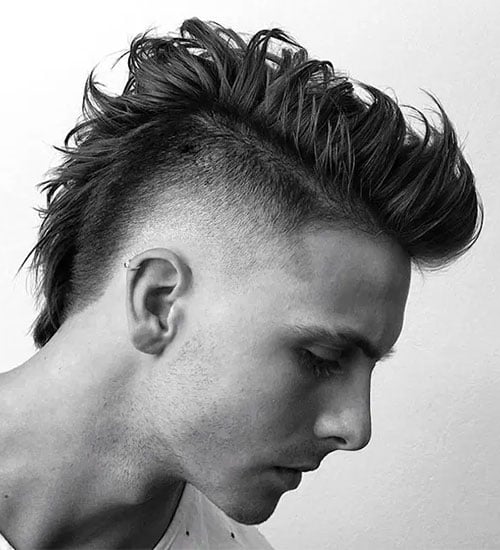
A messy mohawk fade concentrates textured length through the center of the head while blending the sides down cleanly, creating an edgy silhouette that remains surprisingly wearable. Unlike the rigid, gelled mohawks associated with punk style, this version relies on separation, uneven height and natural movement. When I cut this look, the key was leaving enough width through the center; taking the strip too narrow makes it difficult to style casually. Blow-dry the hair upward and slightly forward, then pinch in a strong matte paste. A burst fade makes the shape more dramatic, while a low fade keeps the result approachable.
Messy Comb Over
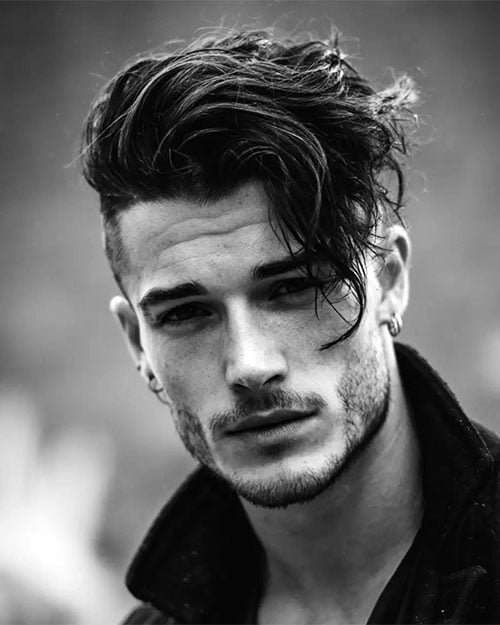
The messy comb over follows the natural direction of a side part but loosens the finish with lift, separation and a few deliberately misplaced strands. In this image, the top moves across rather than sitting flat, which gives the traditionally polished style a younger, more relaxed personality. Keep the part soft instead of shaving in a hard line, and ask for scissor-cut layers that allow the hair to fall naturally. Blow-dry from the part while lifting at the roots with your fingers, then apply a flexible matte cream. It’s professional enough for work without carrying the stiffness of a classic pomade-and-comb finish.
Messy Blowout Taper
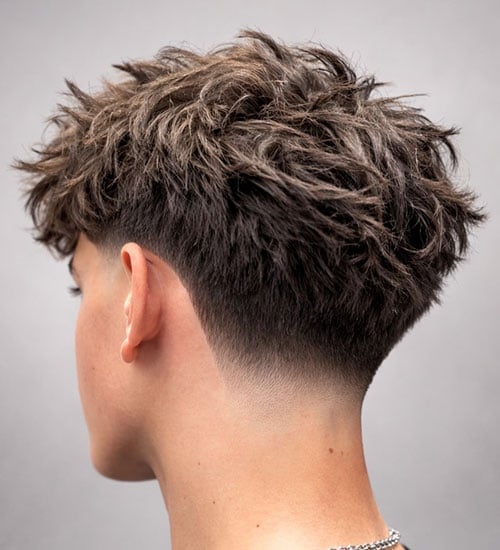
The messy blowout taper builds airy height around the front and crown while cleaning up only the temples, sideburns and neckline. This cut is less about precision on top and more about creating a strong, expanded silhouette that still has a tidy perimeter. Thick, wavy and curly hair produce the volume most naturally, but straight hair can achieve it with layering and a good pre-styler. Apply volumizing mousse or sea salt spray, then blow-dry upward and outward while scrunching with your fingers. Finish with texture powder at the roots, leaving the ends loose so the blowout feels energetic rather than overly sculpted.
Messy Wolf Cut
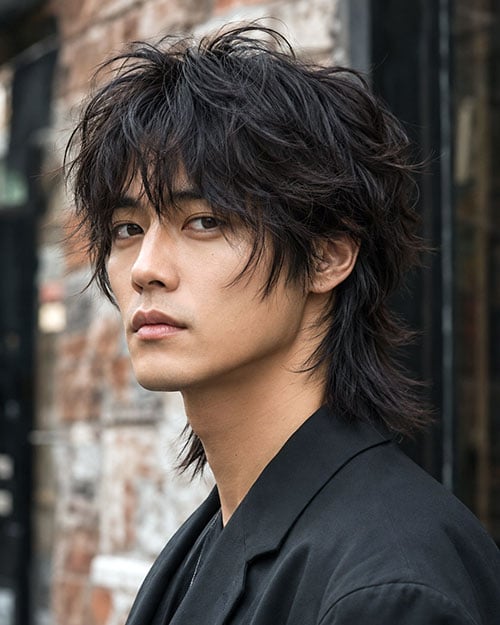
The messy wolf cut blends the heavy layering of a shag with the longer back of a mullet, creating volume at the crown and a deliberately untamed outline. It is one of those styles that looks spontaneous only because the internal shape has been cut correctly. From a barber’s perspective, removing weight in the right places matters more than adding product; poorly placed layers can make the crown collapse and the ends flare. This example works because the fringe, sides and back flow into one another without looking uniform. Scrunch a light styling cream or sea salt spray through damp hair and let the layers settle naturally.
Messy Shag
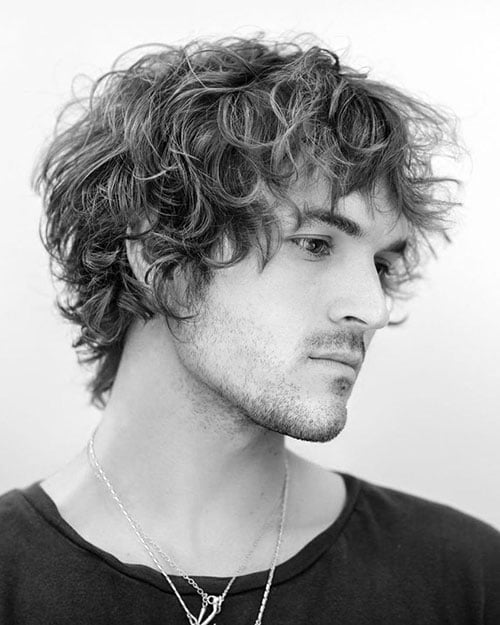
The messy shag stacks heavy layering through a medium-length cut and lets the feathered pieces fall wherever they land, channeling 70s rock and 90s grunge in equal measure. The layers are doing structural work beneath the chaos, keeping the shape flattering while the surface stays wild. Second-day hair wears this look best. Rough-dry, shake it out with both hands, and add a light texturizing spray only if the hair needs grip.
Messy Mullet
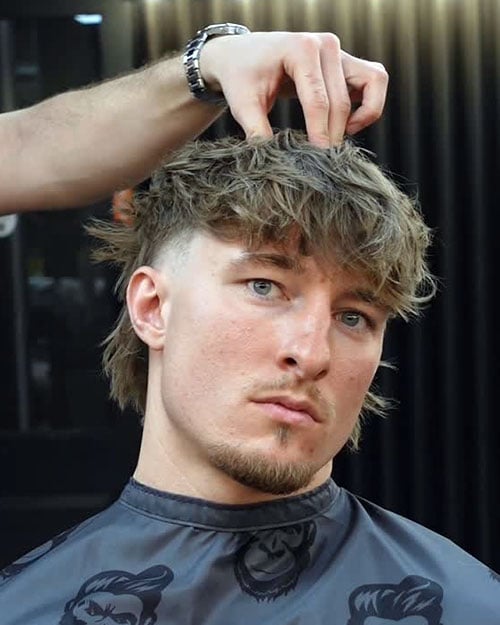
The messy mullet roughs up the revival cut, tousling the top and fringe while the longer back falls loose and unarranged at the nape. The disorder softens the mullet’s hard front-to-back contrast, making the whole shape read more lived-in and less deliberate provocation. It rides the same wave carrying the modern mullet through barbershops right now. Work a matte paste through the top, scrunch the back once, and leave the party alone.
Messy Curtains
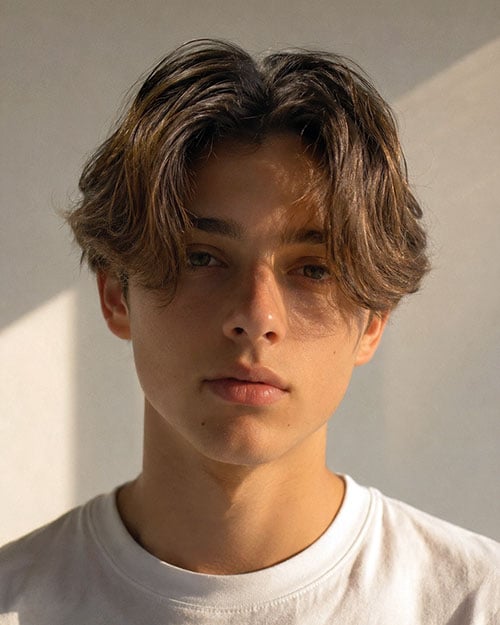
The messy curtains style splits a longer front loosely down the middle, letting the two halves fall around the face in soft, irregular pieces instead of clean symmetrical panels. The relaxed part and broken ends update the 90s reference for the current decade. Wavy hair wears this version with almost no effort. Blow-dry away from an approximate center line, then rake a light cream through and let the halves collapse naturally.
Messy Man Bun
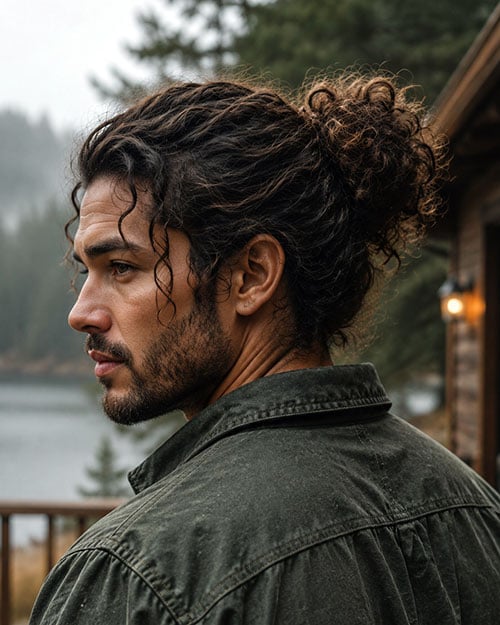
The messy man bun gathers long hair into a deliberately loose knot, with strands escaping at the temples and nape to frame the face. The imperfection is the entire point: a tight, clean bun reads formal while the loose version reads effortless. Tension matters too, since a relaxed gather is kinder to the hairline than a scraped-back one. Pull the hair back with your fingers rather than a brush, twist into a soft knot, and tug a few pieces free.
Messy Surfer Hair
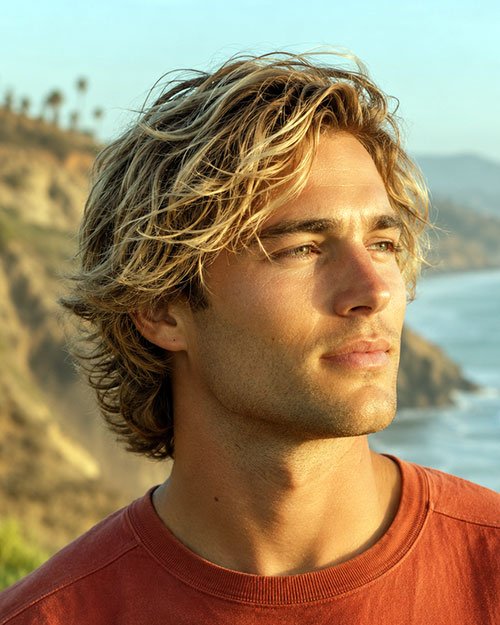
The messy surfer hair look layers salt-textured waves into a sun-and-ocean finish, with mid-length pieces tossed back and sideways like the wind did the styling. Lightened ends, real or assisted, complete the effect. The vibe is permanent off-duty, which is exactly why it works so hard. Soak damp hair with sea salt spray, scrunch thoroughly, air dry completely, then rough everything up once with both hands.
Messy Caesar
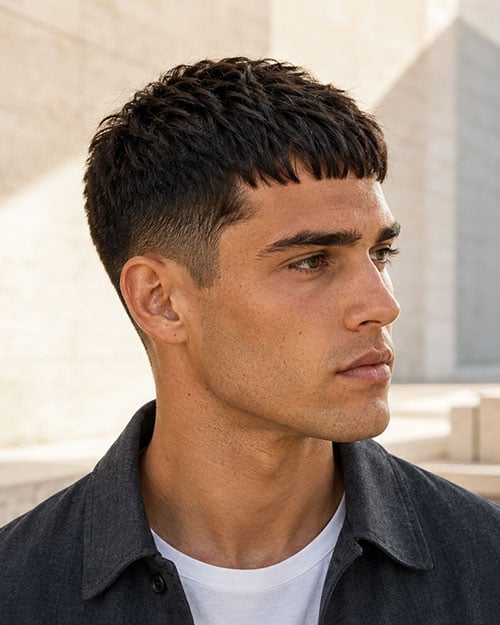
The messy Caesar brushes a short top forward in the Roman tradition, then breaks the famously straight fringe line into scattered, uneven pieces. The forward direction stays but the rigidity goes, which rescues the cut from its severe reputation. It suits guys wanting the low fringe without the geometry. Push the top forward with a fingertip of matte cream, then nudge individual fringe pieces off-line so the edge stays imperfect.
Messy Brushed Back
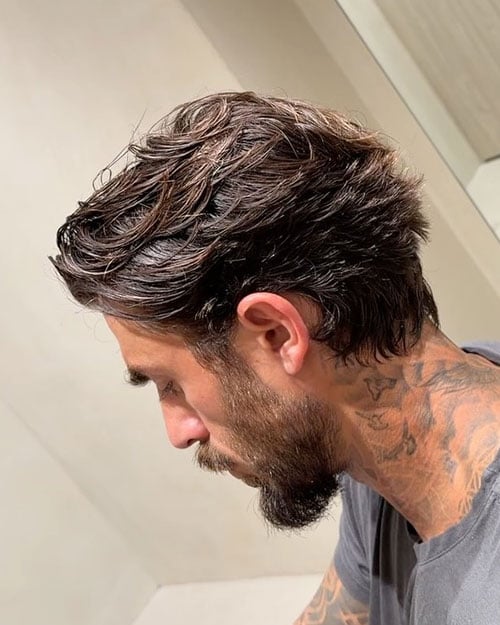
The messy brushed back sends medium-length hair rearward with fingers instead of a comb, keeping the direction while abandoning the polish of a true slick back. Strands lift and stray along the way, the finish stays matte, and the whole look lands somewhere between boardroom and weekend. It dresses up shockingly well under a blazer. Push damp hair back with both palms, mist a light texture spray, and never let a comb near it.
Messy Crew Cut
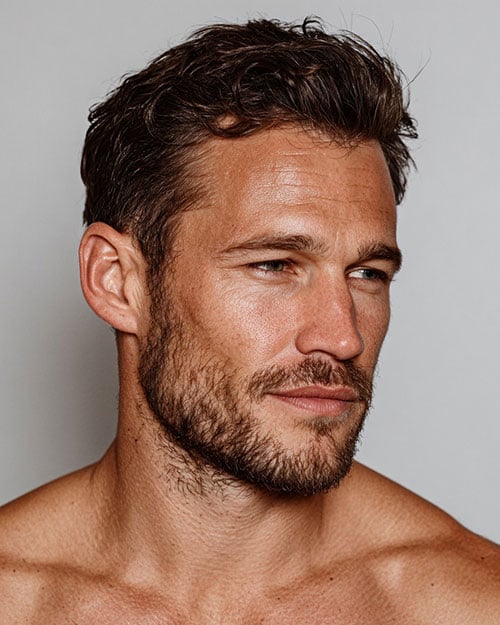
The messy crew cut roughs the front-weighted top of the classic into quick, unfussy texture, with the tapered sides holding the disciplined frame. The style adds just enough personality to separate the cut from its military origins without costing a second of practicality. In my years behind the chair, this small change is the single easiest upgrade for guys stuck in a decade-old routine. Pinch a light paste through the front, pushing it up and slightly askew.
Messy Hair with Beard
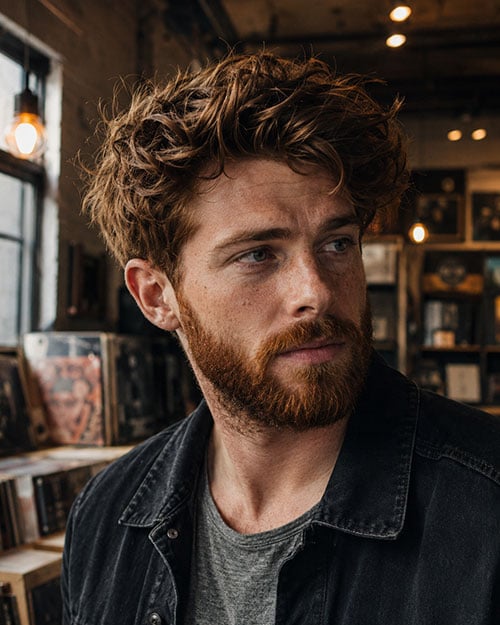
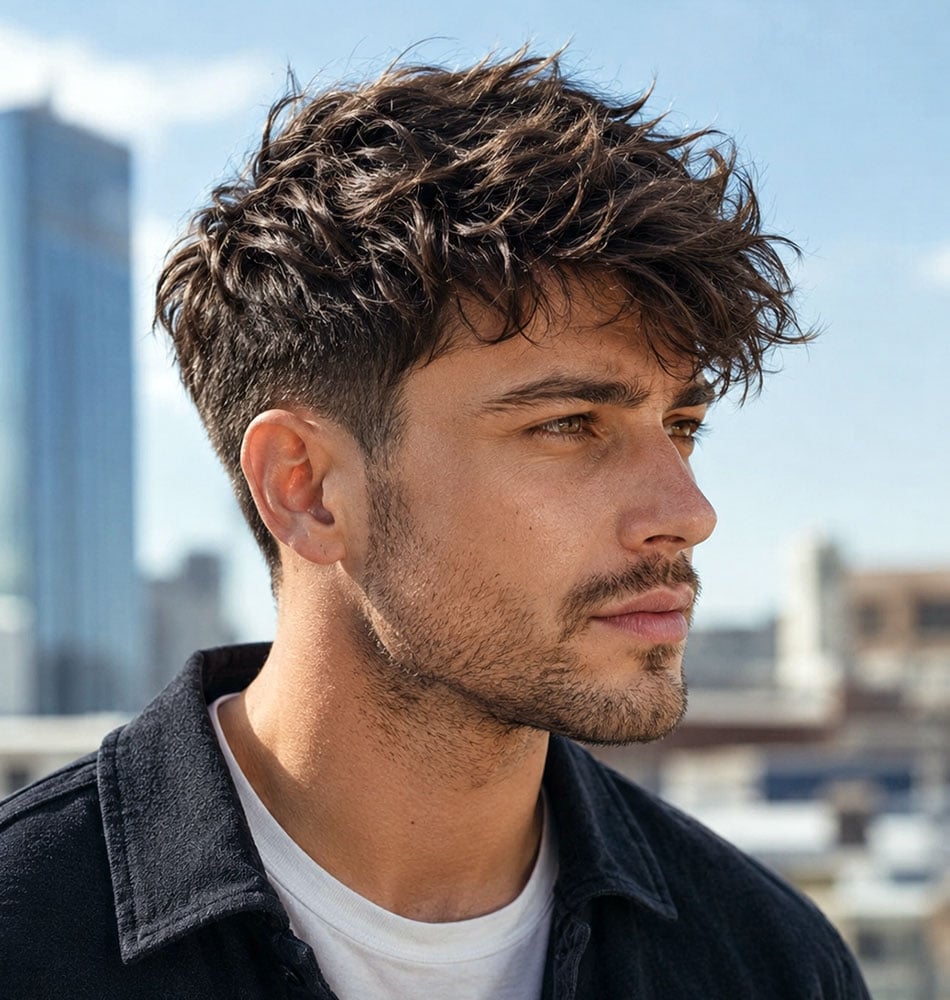
The messy hair with beard pairing balances tousled disorder up top with structured facial hair below, and the combination is doing a lot of work in modern barbershops. The groomed beard anchors the look, signaling that the mess above is a choice rather than a lapse. Keep the beard lines crisp at the cheeks and neck to sell the contrast. Style the top with your usual matte product, brush the beard daily, and finish with a few drops of beard oil.
Messy Two Block
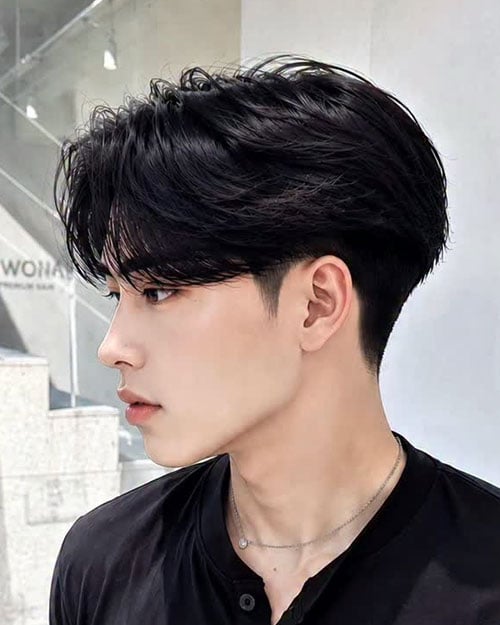
The messy two block roughs the fuller top of the Korean staple into loose, airy disorder while the cropped sides and back hold the signature clean frame. The tousled version softens the K-style polish into something more casual and Western-friendly, and it thrives on wavy or permed texture. Blow-dry the top loosely forward and sideways, then scrunch a light cream through.
Messy Straight Hair

The messy straight hair look manufactures the movement that the texture refuses to supply, relying on layers, point-cut ends and gripping products to break glassy strands into pieces. Straight hair holds mess beautifully once the cut creates it, but the cut has to do the creating. Ask for texturizing through the top at every visit. Work a texture powder into the roots for lift, then a matte paste through the mid-lengths and ends, pinching as you go.
Messy Thick Hair
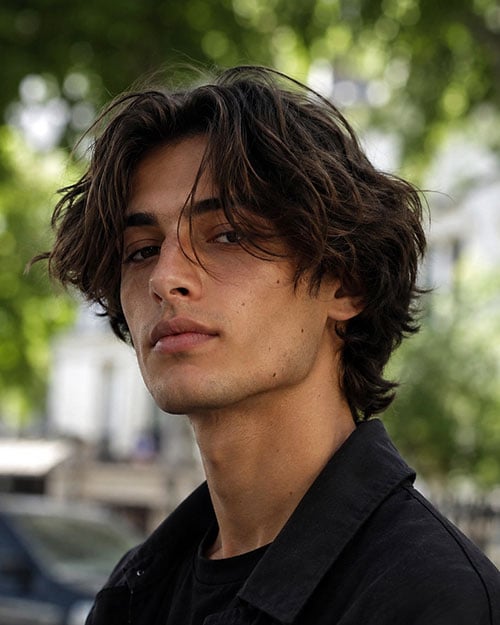
The messy thick hair style turns density into an asset, channeling the natural volume into directional, chunky disorder once interior weight is removed. Unmanaged thick hair puffs outward into a shapeless mass; layered thick hair falls into exactly the kind of heavy, tousled pieces this look wants. The barber does most of the styling in the cut itself. Rough-dry, then distribute a medium-hold clay section by section so product reaches below the surface layer.
Messy Afro
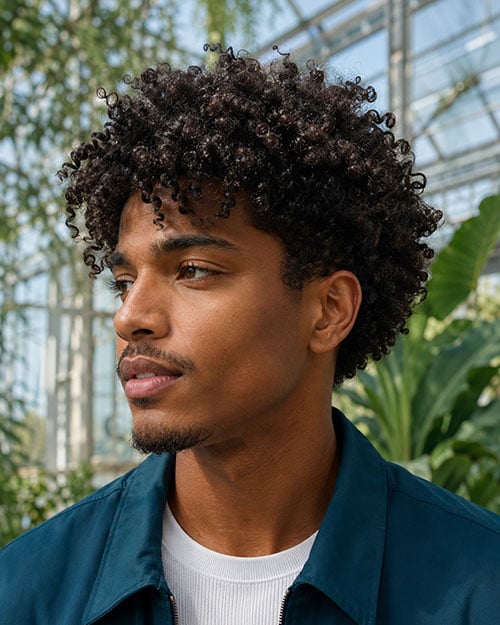
A messy afro celebrates natural volume with a softer, less geometric outline, allowing individual curls and coils to create movement around the shape. “Messy” should never mean dry, neglected or unevenly maintained here. The style depends on healthy texture, balanced density and deliberate shaping. I used to tell clients that the pick creates volume, but moisture creates the finish. Ask your barber to preserve fullness while lightly refining the perimeter and removing any areas that grow disproportionately. Apply leave-in conditioner or curl cream to damp hair, let it dry without excessive handling, then lift gently at the roots with an afro pick.
How To Ask Your Barber For A Messy Men’s Hairstyle
Ask for a Cut Built to Be Worn Messy
Lead with the intention: “I want to wear this messy and textured.” That sentence tells your barber to layer the top, point-cut the ends and remove interior weight so the hair breaks into pieces naturally. A one-length cut styled roughly just looks uneven. A texturized cut styled roughly looks like the photos.
Name the Base Style and Length
Messy is a finish, not a haircut, so anchor it to a base: messy crop, messy quiff, messy medium-length, messy curtains. Add your target length in inches or landmarks (brow, ears, collar) and the picture sharpens instantly. The gallery names above are all valid currency at the chair.
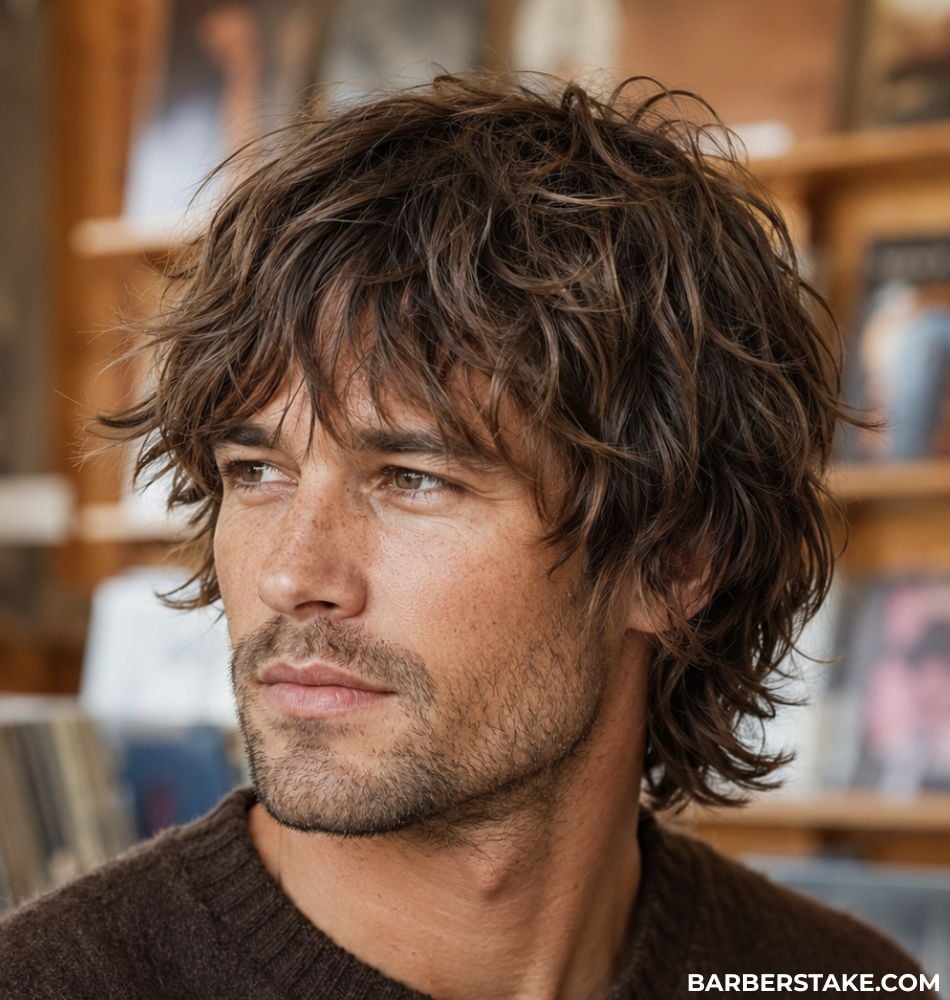
Choose the Perimeter Discipline
Decide how clean you want the edges: skin fade, mid fade, taper or natural. The tidier the perimeter, the more deliberate the mess above reads, which is why fades and messy tops pair so well. If your workplace leans conservative, a taper buys the most benefit of the doubt.
Request Texturizing by Name
Ask for point-cutting, slide cutting or razor texturizing through the top. These techniques fragment the ends so pieces separate on their own, and they’re the mechanical difference between hair that holds mess and hair that just gets fluffy. A barber worth keeping will already be reaching for them.
Show a Photo of the Finish, Not Just the Cut
Messy styles live or die on finish, so choose reference photos showing the texture and product level you want, matte versus natural, loose versus structured. And match the photo’s hair type to your own; disorder behaves completely differently on straight, wavy and curly heads.
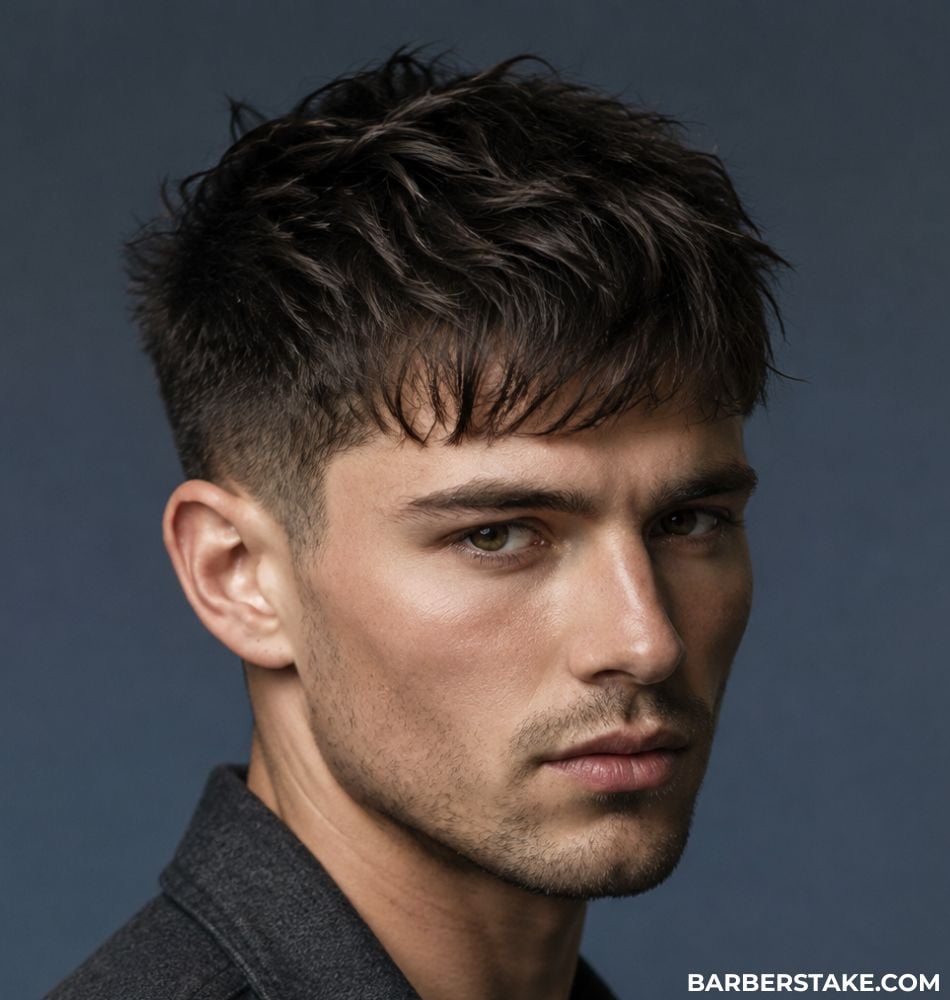
Should You Get A Messy Hairstyle?
Messy Still Takes Minutes
Most messy looks want two to four minutes: a rough dry, a product pass, a final shake. That’s less than a slick back and far less than a pompadour, but it isn’t zero. The truly zero-effort versions are the short crops and anything riding natural wave or curl.
Your Texture Sets the Difficulty
Wavy hair wears mess nearly for free. Curly hair needs hydration discipline more than styling. Straight hair needs the most help from the cut and the product shelf, and thick straight hair needs weight removal on top of that. None of this rules anyone out; it just sets the honest effort budget.
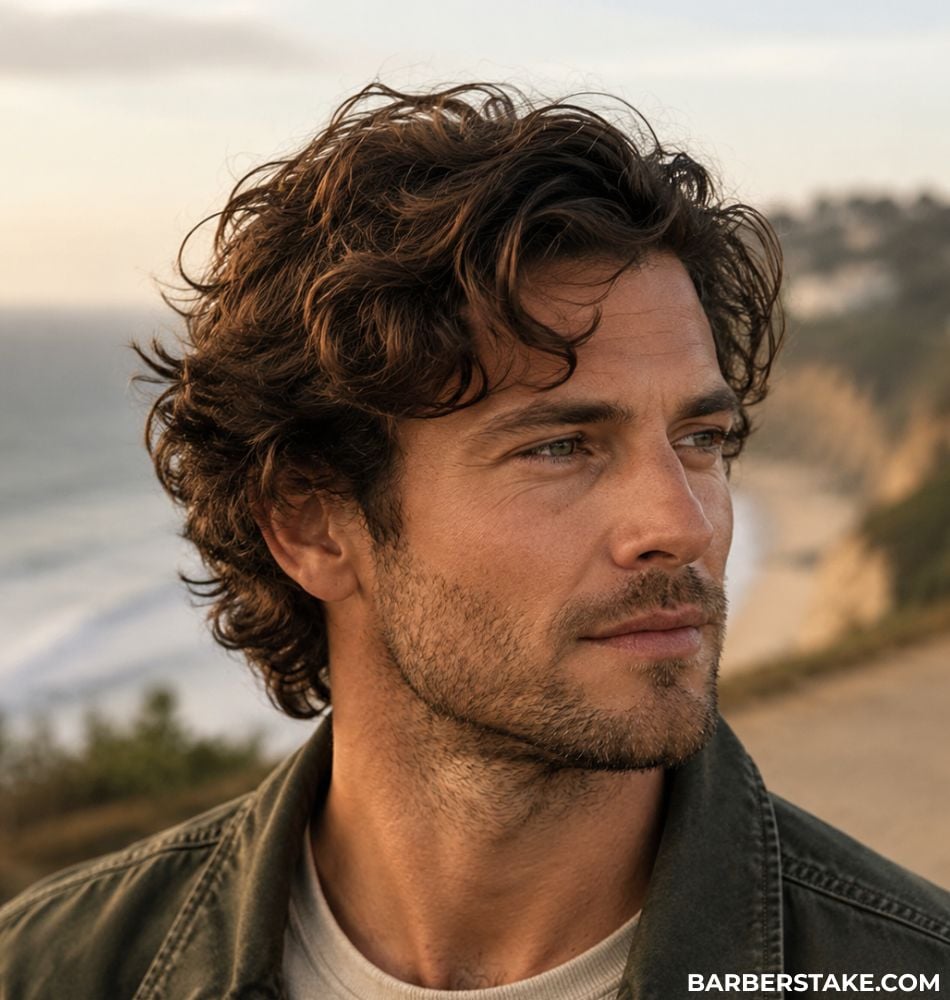
Create Texture Where It Flatters You
A messy finish should not distribute volume randomly. The most flattering styles place height, width and forward movement where they improve the proportions of your face. This is one of the first things I assess during a consultation because two guys can request the same messy crop and need very different shapes.
- Rounder or wider faces generally benefit from lift through the front and controlled sides, which creates a slightly longer, leaner outline.
- Longer or rectangular faces usually need less vertical height and more movement toward the forehead or sides. A messy fringe, loose curtains or a wider textured crop can keep the hairstyle from visually stretching the face further.
- Square faces can support heavier, chunkier texture, although leaving a few softer pieces around the forehead prevents the haircut from looking excessively rigid.
- If you have a larger forehead or maturing temples, forward or diagonal movement can provide balance without becoming an obvious attempt at concealment.
“Messy hair still needs a visual plan,” says licensed barber James Goodman. “I decide where the strongest texture should sit by looking at the client from the front and the side. Sometimes the right move is height at the crown; other times it is a broken fringe that brings the eye forward. Simply roughing up everything equally usually creates bulk without improving the shape.”
Bring a reference photo, but pay attention to where its volume sits. Your barber can then adapt that distribution to your features, density and natural growth pattern.
The Workplace Read
A messy crop over a clean fade passes in almost any office. Bedhead and long disorder read differently in client-facing roles. If your environment is formal, favor the taper-edged versions and keep the mess concentrated at the front.
Conditioning Is Non-Negotiable
Messy styling amplifies whatever state the hair is in. Healthy, conditioned hair roughed up looks expensive; dry, damaged hair roughed up looks like the “before” photo. Budget for a decent conditioner and go easy on daily heat, because the style has no polish to hide behind.
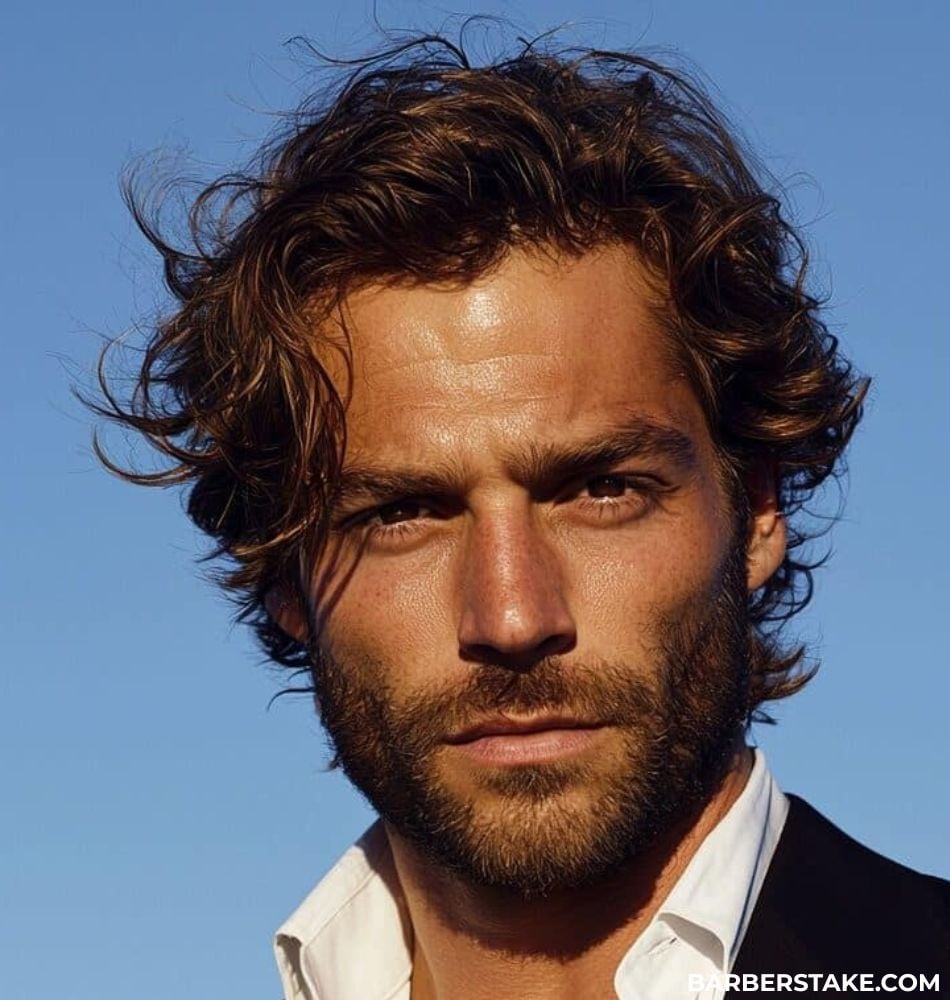
How to Style Messy Hair
Styling messy men’s hair requires a specific routine involving the use of deliberate techniques, products and tools to achieve the perfect tousled finish. These fundamentals cover nearly every version in the gallery.
Rough-Dry Instead of Brushing
The blow-dryer plus your fingers is the entire foundation. Blast damp hair while raking, shaking and pushing it in mixed directions, tipping your head forward for root lift. A brush organizes hair, which is precisely what you’re avoiding. Ninety seconds of rough drying creates more usable mess than any product will.
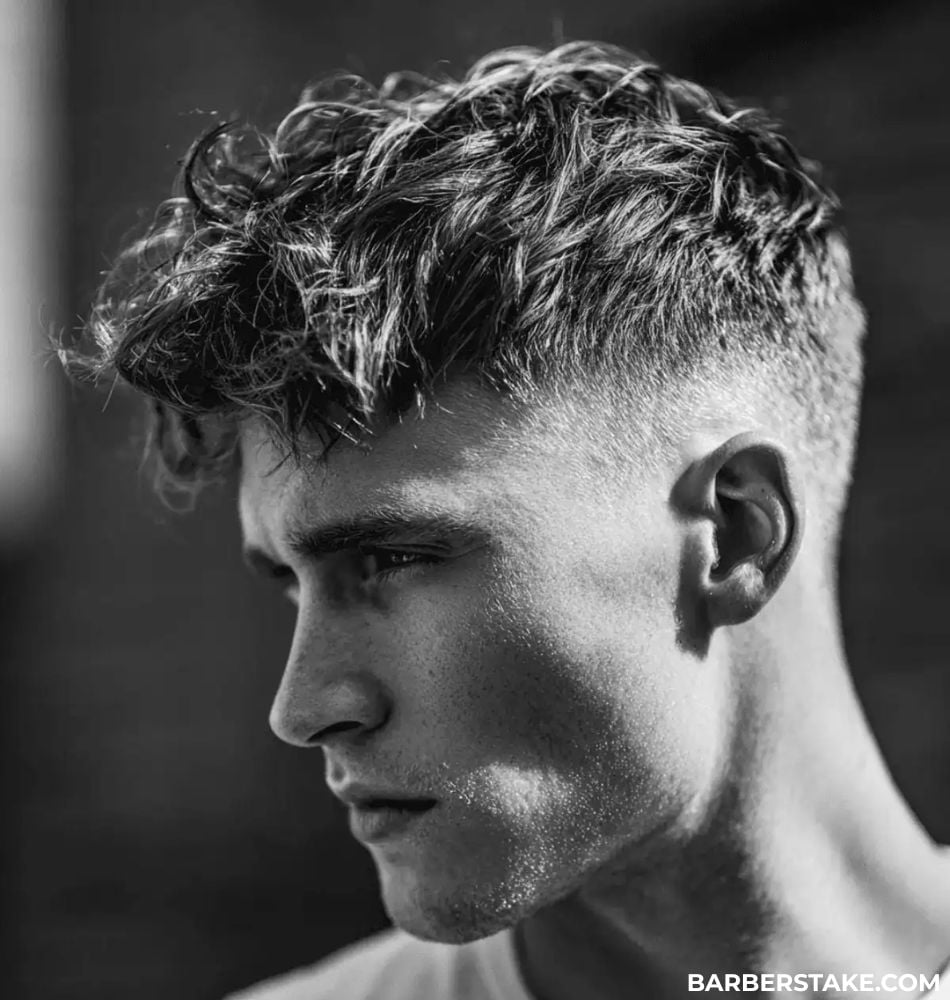
Build With Matte, Never Gloss
Shine reads as order, so the messy family runs on matte products: pastes, clays, texture powders, sea salt sprays and light creams. Powder lifts roots, spray adds grip and body, paste and clay define pieces, cream tames frizz on longer versions. Curl cream is the exception that proves the rule, serving the curly versions where hydration outranks everything.
Apply With Fingertips, Finish With a Shake
Warm a small amount fully between your fingers, then pinch and push through the hair in sections, varying the direction as you go. Palming product flat over the surface glues the mess into a helmet. When you think you’re done, shake your head once and let the pieces resettle; whatever survives the shake is the style.
Respect the Texture You Have
Straight hair needs powder at the roots and paste at the ends. Waves want salt spray and minimal interference. Curls want cream, a scrunch and patience. Thick hair wants product distributed deep, fine hair wants it barely there. Same philosophy, different execution, and fighting your texture is the fastest route to frustration.
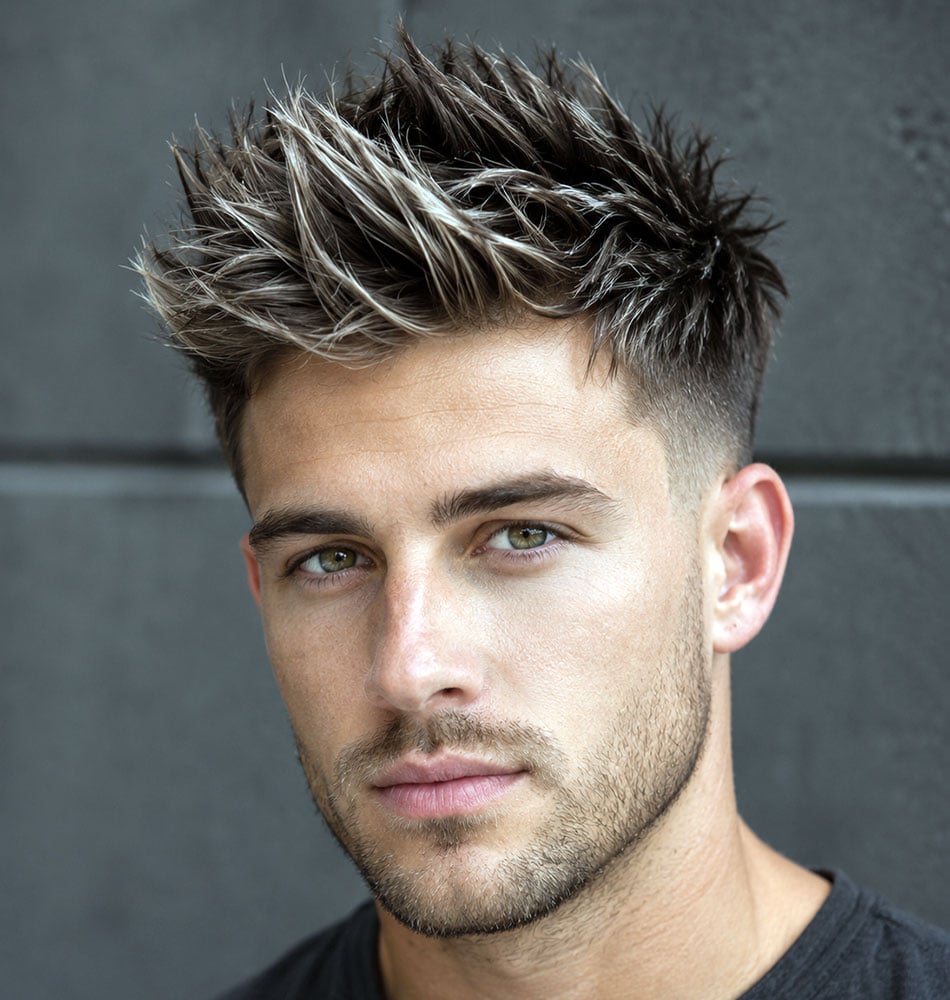
Stop One Step Early
The universal mistake with messy styling is over-styling. Every additional pass of product and fussing moves the hair from undone toward arranged, which defeats the entire premise. Build the look to ninety percent and walk away; the last ten percent happens on its own during the day, and it’s usually the best part.
Tips For Attractive Messy Men’s Hair
These are the small habits and critical details I share most often at the chair.
Embrace Second-Day Hair
Freshly washed hair is slippery and resists texture; a day of natural oils gives it grip and weight that products imitate poorly. Most messy styles peak on day two. Build your wash schedule around it, refreshing between washes with water and a quick rough dry.
Keep the Neckline Honest
The whole trick of this style family is a tidy frame around loose content. A clean neckline and edges signal intention; fuzz at the collar signals neglect. A careful trimmer pass along the existing line each week protects the illusion between visits.
Sleep Is a Styling Tool
Going to bed with barely damp hair and shaking it out in the morning often beats anything a product can do. If the result leans too chaotic, a damp palm press and thirty seconds of rough drying recalibrates it. Free styling happens overnight; learn to harvest it.
Refresh the Layers on Schedule
The texture lives in the layering, and layers dull as they grow. If a full cut isn’t due, ask for a quick texturizing pass through the top at the midpoint. Ten minutes of point-cutting revives the separation that makes the whole look work.
Downsize Your Product Dose
If your hair looks greasy, clumped or heavy by noon, the problem is almost always quantity. Halve the amount, warm it longer between your fingers, and apply to the mid-lengths and ends before touching the roots. Matte products especially punish overdosing, turning texture into residue.
Popular Questions About Messy Hairstyles
What is a messy hairstyle for men?
A messy hairstyle is a men’s look where the hair is styled into loose, irregular movement with visible separation and a matte or natural finish, rather than combed smooth or fixed rigid. It’s built on a deliberately layered, texturized haircut that lets the hair fall into flattering disorder, which separates it from simply unkempt hair.
Are messy hairstyles attractive?
Messy styles consistently rank among the most flattering men’s looks because the volume, movement and effortless quality soften features and read confident rather than fussy. The key is the deliberate version: healthy hair, a fresh cut and a tidy perimeter make the disorder read as style instead of neglect.
How do I make my hair look messy but good?
Start with a layered, texturized cut, rough-dry with your fingers instead of brushing, then work a small amount of matte paste or clay through in pinched sections, pushing pieces in mixed directions. Keep the neckline and edges clean, use less product than feels natural, and stop styling one step before it looks finished.
Is messy hair professional?
The controlled versions are. A messy crop, textured crew cut or roughed quiff over a clean fade or taper passes in nearly every workplace, reading modern rather than careless. Longer bedhead and untamed styles suit creative environments better than conservative ones. The tidier the perimeter, the more professional the read.
What product is best for messy hair?
Matte products rule this family: texture powder for root lift, sea salt spray for grip and body, matte paste and clay for definition and hold, light creams for longer versions and curl cream for curly hair. Avoid glossy pomades and gels, since shine reads as order and defeats the finish.
Does messy hair work with straight hair?
Yes, with help from the cut. Straight hair needs layers and point-cut ends to break into pieces, plus gripping products like texture powder and matte paste to hold the separation. Ask your barber for texturizing through the top at every visit, and the straightest hair will hold convincing disorder.
What haircut should I get for a messy style?
Tell your barber you want the hair cut to be worn messy, then anchor it to a base: a textured crop or crew cut for short hair, a layered quiff or French crop for medium-short, and a layered medium-length or shag for longer looks. Layering, point-cutting and weight removal are the non-negotiables.
How long should hair be for a messy hairstyle?
Every length works. Two to three inches supports the messy crop and crew cut, four to six inches unlocks the quiff, curtains and medium versions where the style peaks, and collar length and beyond carries the long disorder and bun looks. The technique shifts with length; the philosophy doesn’t.
Is messy hair low maintenance?
Mostly. Daily styling runs two to four minutes for most versions and near zero for short crops and natural wave. The maintenance that remains is care and cadence: conditioning, a clarifying wash to clear matte product buildup, and a layer refresh every five to seven weeks to keep the texture alive.
Why does my messy hair just look unkempt?
Usually one of three causes: the cut lacks layering and texturizing so the hair has no pieces to fall into, the hair is dry or frizzy so the disorder reads as damage, or the perimeter is overgrown so nothing signals intention. Fix the cut first, the conditioning second and the neckline third, and the same styling suddenly works.
Final Thoughts on Messy Hairstyles
The messy hairstyle endures because it resolves the tension every guy feels between wanting to look good and refusing to look like he labored over it. The style does its labor in secret: in the layers your barber builds, the two-minute rough dry, the restraint of a fingertip of matte product. What shows is only the result, loose and confident and apparently accidental.
Get the foundation right and the rest follows. Ask for a cut built to be worn messy, match the version to your texture and workplace, keep the hair healthy and the edges honest, and always stop styling one step early. Do that, and you’ll have the rare look that improves as the day wears on, which is more than any polished style can claim.