A professional barber opening a barbershop can be a smart investment for aspiring entrepreneurs who want to turn a passion and vocation into a long-term, successful business. While starting any venture can be exciting, understanding the costs associated with building and growing a barber shop will ensure you are well-capitalized, budgeting appropriately to avoid surprises and managing your investment wisely.
In this article, I will share everything you need to know about the average cost to open a barber shop, from business licenses, insurance and permits to lease security deposits and remodeling expenses. These numbers are based on market research and interviews with existing barbershop owners but can be heavily influenced by your city, vision and approach.
Barber Shop Investment
The average cost of starting a barbershop can range from $30,000 to $75,000 for a small location or $75,000 to $200,000 to open a franchise or build out a larger space in a more expensive area. The amount you will need to invest can depend on the location, size, lease, interior design, services offered and marketing strategy. While any business comes with risks, a professional barber with loyal customers opening a shop can be profitable, especially when you bring in several established barbers or rent out chairs to lower your upfront startup costs.

A Breakdown of The Average Costs For Starting A Barber Shop Business
Here is a breakdown of the cost of opening a barber shop by category, which can help entrepreneurs budget their investment and determine if they need to save more money before setting up their business.
- Lease (Security) Deposits: $6,000 to $20,000
- Construction, Renovations and Remodeling: $8,000 to $30,000
- Furniture: $3,000 to $10,000
- Barber License, Business Permits, Registration and Insurance: $3,000 to $5,000
- Barber Tools, Supplies and Equipment: $1,000 to $2,000
- Website Setup: $1,500 to $5,000
- Signage: $1,000 to $5,000
- Marketing: $5,000
- Point-of-Sale System: $3,000 to $5,000
- Professional (Legal, Accounting) Services: $500 to $2,500
These are some monthly expenses you will need to incur on an ongoing basis:
- Rent
- Utility Bills
- Payroll (if any)
- Marketing Services (if any)
- Supplies
- Software Subscriptions
Factors that Influence the Cost of Starting A Barber Shop

Location
The location of your barber shop will play a significant role in the initial cost, but it will inevitably impact the amount you earn in the future. Opening your shop on a main road or highway with foot traffic and parking space will cost more initially than a location in a lesser-traveled area but can be worth the investment.
Many first-time owners choose a location in a modest neighborhood near community hotspots, balancing affordability and convenience. People are often willing to drive a few blocks out of their way for a great cut, especially if you create a fantastic environment with friendly service.
Type of Barber Shops
The different types of barber shops will determine your client base, services, pricing and future revenue. Some barbers will want to open a luxury shop with an upscale design, furniture and services like eyebrow waxes and facials. In contrast, others may prefer a more traditional barbershop focused on cuts and beard trims. Your choice will influence everything else on the list, from the space you need to lease to the payroll costs you will experience.
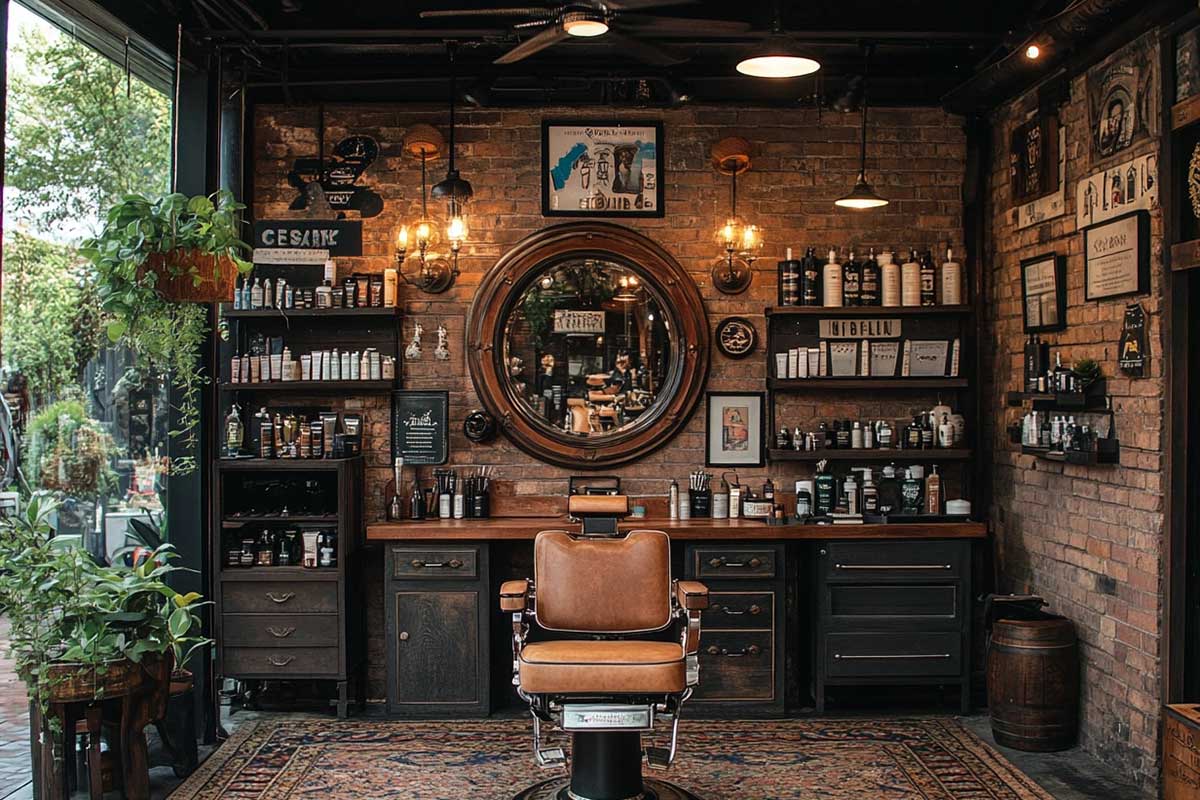
All shops need an identifying atmosphere, but high-end destinations sport more expensive décor, nicer products, and more comfortable seating. If you choose a smaller venue, you can get away with less, but you should never skimp on modest comfort.
Leasing Space
Calculating your leasing space is relatively simple if you know how many workstations you plan to start with. If your barber shop consists of you and a friend or partner, you need between 200 and 500 square feet for two to three stations. For four to eight workstations, plan for a shop between 500 and 1,500 square feet, and ten or more workstations require more than 1,500 square feet – ideally up to 4,000 or more if you want a roomier, more expansive atmosphere.
The smaller end of the scale is ideal for cozy barber shops offering haircuts and shaves; the higher end of the scale provides enough space for more luxurious venues with larger waiting areas, refreshment corners or tables, and chairs and equipment for additional services such as facials and nail treatments. Expect to pay between $6,000 and $20,000 for your initial deposits, then $1,500 to $4,500 for monthly rent, depending on your chosen size.
Licenses, Permits and Insurance
You must get business licenses, permits and insurance to keep your barber shop legal and protected from unforeseen liabilities and accidents. A barber’s license is required in all 50 states and costs between $50 and $200 per barber, depending on the state. Unlicensed barbers may also need to pay exam fees, which can add another $100 to $150 to the overall cost for each person.
Business licenses and permits vary from state to state and city to city but typically range from $150 to $750. You may also need additional permits such as building licenses, zonal and signage permits, and others specific to your state. Most states require all client-facing businesses to have liability insurance, but it is always a good idea, even if it is not required. Insurance covers accidents on your property and can cost an average of $1,500 to $3,500 annually.
Remodeling, Furniture and Equipment Costs
Once you find a space, you will have to transform it into a barbershop, which can require an upfront investment of tens of thousands of dollars. Minor renovations and light construction run anywhere from $8,000 to $30,000 and might include installing lights, sinks, countertops, and more.
Furnishings like couches and chairs come at an additional cost, and each barber chair costs at least $500, with high-end chairs coming in with a $2,500 price tag. Factor in televisions and other forms of entertainment, such as sound systems, and the total climbs by another $3,000.
You can splurge in some areas and save in others, especially at first. Purchase a bigger TV, a more comfortable couch or higher-end barber chairs with more features and better hydraulics later when startup costs aren’t an issue. Consider the ambiance you want to create and buy pieces that suit your vision, keeping your budget in mind.

Barber Tools and Supplies
You’ll need barbering tools and products to get your business off the ground, including clippers, trimmers, scissors, combs, guards, hair dryers, barber poles, hair wax and pomade, hair spray, shampoos and conditioners, antiseptic solutions, and more. You can start with a simple inventory initially; however, as your shop grows more popular, adding popular men’s grooming products or creating your own line can grow your brand. Selling products at a markup can help you recoup your inventory costs.
Expect to spend about $1,400 on essential tools and $500 to $2,000 on hair products. If you want to be a retailer of hair products and tools, expect to spend another $1,000 to $5,000 or more depending on your client base’s wants and needs.
Advertising, Branding and Marketing
Marketing your barbershop is critical to building your clientele and growing your business. Your barber shop won’t succeed if no one knows it exists, and even when they do, you still need to develop your brand to compete with the other barbers and stylists in the local area.
Banners and signs for use indoors and out will cost between $1,000 and $5,000. If you’re planning a grand opening celebration, the signage for that event will total another $1,000 to $3,000, depending on scope, size, and materials.
The costs of building a website, organic traffic and social media presence vary depending on the project’s scope and your existing knowledge. Paying an agency will cost anywhere from $1,500 to $5,000 upfront and another $500 to $2,000 a month, depending on the marketing and search engine optimization (SEO) services provided.
Payroll Costs
Payroll costs will vary significantly depending on how many people you hire and how you pay them. Some barber shops employ hairdressers and color specialists, but others stick to the basics with two barbers well-versed in men’s grooming.
Hiring skilled and well-known people in the area can boost client engagement and bring more people through the door. According to the U.S. Bureau of Labor Statistics, the average barber, hairstylist, or cosmetologist earns slightly more than $35,000 annually.
Some barber shops offset these costs with a mix of full-time and part-time staff, while others rent chairs to help offset the additional charges. A mid-scale barber shop can expect to spend anywhere from $8,000 to $12,000 on their combined monthly payroll expenses.
Professional Services
Professional services include the services needed to keep your barber shop running smoothly. There are several things to consider, including the following:
- Cleaning and Maintenance: Basic cleaning and maintenance costs between $100 and $200 per month but may cost more depending on frequency and the size of your shop. Keeping your barber shop spic and span attracts clients and garners better reviews.
- Consultation: Consultation is not required, but many of the most successful barber shops rely on consulting services for the first year. It consists of financial, business, and marketing counseling and advice, costing between $500 and $1,000 an hour.
- Financial Management: Financial management might include accounting, bookkeeping, payroll, and tax preparation. These services usually cost $100 to $300 a month but may vary – mainly if you handle some things independently.
- Legal Services: Hiring legal services to help you obtain permits, meet regulatory requirements, and gain the necessary licenses can be a lifesaver. Expect to pay $150 to $300 a month for these services.
- Laundry: Most cleaning and maintenance services do not include laundry required for capes, towels and other linens. Some launderers charge between $1 and $3 per pound for laundry, but others may charge a flat monthly rate with a cap on the number of pounds per month. In this case, expect to spend $200 to $500 monthly.
Franchise Costs
If you plan to purchase a franchise, there are numerous options available. Each franchise has its unique requirements, so do thorough research. Think about more than just the upfront costs; consider franchise fees, capital requirements, and more. Franchise fees range from $30,000 to $150,000 or more.
Tips on Opening A Profitable Barber Shop
Start with Limited Chairs and Workstations
The fewer the workstations you have in the beginning, the better. One or two chairs for a small barber shop will get you started. For a mid-range shop, four to eight should be satisfactory. Limiting chairs will help you mitigate your startup and payroll costs early, allowing you to reinvest more of your earnings into renovations, construction, marketing, or other expenses. Consider adding more chairs when word gets out, and your barbers’ schedules fill.
Choose An Affordable Location
Opening a barber shop on Fifth Avenue in Manhattan will be significantly more expensive than opening a shop anywhere in Cleveland. If you want to relocate, look for areas slated to experience significant economic growth. This way, you can start at a reasonable price and capitalize on the area’s development. Be strategic when choosing an exact location, as well. Getting a foothold is problematic on a rarely traveled street.
Minimize Renovation Costs
If you aren’t careful, you can easily blow through more of your budget than expected for construction and renovation, leaving you scrambling. Your goal may be a highbrow, luxury interior with the best barber chairs available, but this is not feasible for small or mid-sized shops just getting off the ground. Instead of buying the best of everything, ask yourself what is most important for attracting people to your shop and converting them into loyal clients. Low-budget décor can be attractive, and thrift store furniture can be exceptionally comfortable and sharp.
Build A Loyal Client Base Before Opening
Building a loyal client base before opening your barber shop can be strategic and smart, allowing you to create momentum and avoid negative cash flow in the first few months. Experienced professional barbers will want to bring over all their existing clientele because these people know and trust you, and are likely looking for continuity in service.
To get more customers, define your target clientele first, then organize promotions that you can advertise early on. You might offer a 50% off sale or a free shave with a cut during your grand opening weekend. Look for opportunities to network with other businesses in the neighborhood, such as participating in a back-to-school drive by offering free cuts to underserved kids. Ask if you can hang up flyers in windows to announce your opening.
Rent Out Chairs
Instead of hiring four barbers to fill four workstations full-time, consider some of the alternatives. You could employ part-time barbers, but that still adds a significant chunk of money to your monthly payroll. Many modern barber shops rent their chairs by the week or month. Barbers pay an average of $100 a week to rent their chairs, but when your business is brand new, consider offering a break for the first month to attract more talent. As the barbershop grows in popularity and size, you can charge more chair rent.
Create An Online Presence
Before opening your doors, build your website and social media presence. Create a Google Business Profile that lists the day of your grand opening and refer to it in your posts. The more excited you seem in your social media posts and authoritative blog posts, the more attention you will draw from the local area. Consider paid advertising on Facebook, Instagram or Google if your budget allows. These will enable you to target specific demographics, which is highly effective for businesses serving a small area, including barber shops.