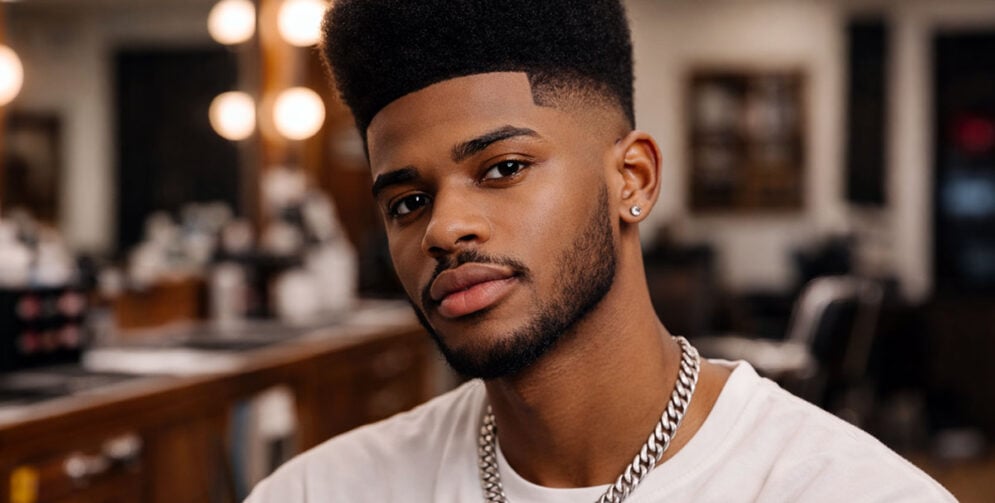
The high top fade, a nostalgic throwback, is an edgy men’s haircut that involves sharply fading the sides and back very short for contrast and features long, upright afro-textured hair on top, typically styled flat or slightly rounded. It’s a stylish, retro street-style look for Black men that rose to prominence in the late 1980s and early 1990s through its close association with hip-hop culture, basketball and fashion, representing cultural expression and precision barbering. The high top mirrored the bold haircuts of the era, with boxy silhouettes, daring colors and hard lines, but its real power came from how it fused artistry with skill.
The most popular modern variations include mid to high skin fades and medium-length afros, picked and shaped into clean tops that balance height with texture while keeping the style looking structured but wearable and easy to maintain.
In this article, I will share 15 timeless examples of high fade hairstyles for men that reflect contemporary versatility, attractive styling and unique cultural identity, blending sharp lines and seamless transitions to create a powerful presence.
Trending High Top Fade Hairstyles
High Top Fade with Beard

A high top fade pairs handsomely with a beard for a confident, effortlessly masculine look that matches height and precision with a grounded ruggedness. The top is shaped upwards and neatly styled to create a strong, deliberate profile, while the faded sides narrow the silhouette and add a touch of contemporary sharpness. The beard adds weight and anchors the look, giving this otherwise fresh and tidy haircut a handsome, manly vibe.
Blocked High Top Fade
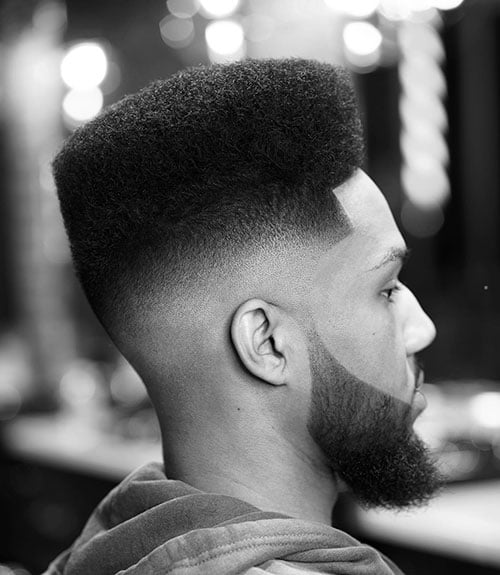
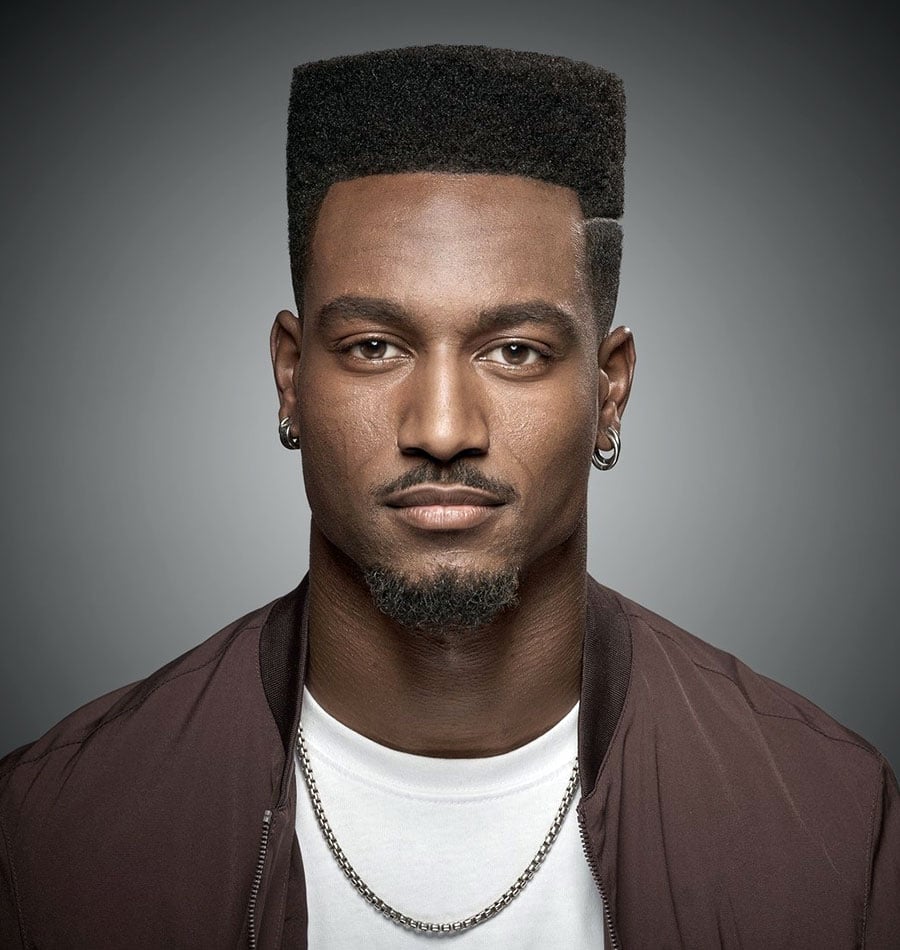
The blocked high-top fade is a crisp, geometric haircut for trend-focused men, using sharp corners and precise structure to deliver a retro, old-school vibe. The traditional rounded edges are replaced with a flat, squared-off shape that emphasizes precision and control. The fade around the sides and back flatters the face and draws attention upwards to the solid block of hair. Book regular trims to keep the fade sharp and the outline clean.
Flat Top with High Drop Fade

A flat top with a high drop fade projects a high-fashion flair, enhancing a classic haircut with modern barbering techniques. The style is perfectly trimmed into a level plane for an editorial, graphic feel. The tight, high fade curves downward behind the ear, following the natural shape of the head and adding another layer of contemporary style. It’s popular as a commanding, versatile hairstyle that’s equally at home in the office or on a night out.
Sponged High Top with Bald Fade

This sponged high top with a clean bald fade maximizes and celebrates the natural coils and texture of Afro hair while keeping things sharp and refined. It’s worked upward using a curling sponge to create a tight, defined pattern that emphasizes movement. The sides are faded down to nothing above the ears, creating a stark contrast that draws attention to the height and texture on top. Keep the fade razor-clean with regular touch-ups, and pair this look with a beard to make the length changes even more striking.
Rounded High Top
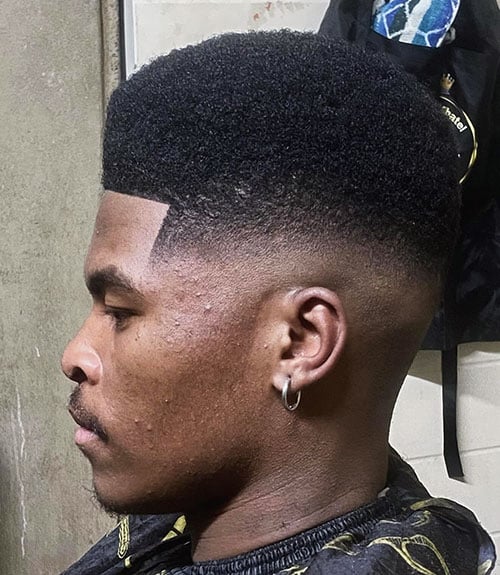
The rounded high top is a softer, more natural variation on the traditional shape, taking inspiration from the classic afro to deliver an approachable look. It retains some height but is carefully shaped into a smooth, domed outline that highlights natural density and follows the shape of the head. The faded sides help to minimize bulk and keep a tidy silhouette. Hydrate your curls with a leave-in conditioner, and trim regularly to keep the rounded shape intact.
High Top Twists

High top twists are bold and characterful, using a classic styling technique to create a look that’s uniform and low-maintenance yet individual and expressive. This example is divided into sections and then styled into twists that protect the hair and add dimension and volume. Faded sides keep the silhouette sharp and intentional, while ensuring attention remains on the full, textured top. Sleep in a durag and use a light oil to keep the twists intact and healthy, and re-twist as needed to keep the finish neat.
High Flat Top Fade

The high flat top fade is a stylish haircut for those wanting a straightforward but attention-grabbing look that uses clean lines and dramatic height to create a strong, lasting impression. The top section is grown to an exaggerated height, then cut perfectly level, lengthening and flattering the face while creating a sense of deliberate precision. The fade extends the vertical outline downwards from the top to the ears, keeping the finish clean and adding some contemporary flair. Brush it daily to keep the hair in place, and schedule regular trims for the perfect shape.
Curly Short Top

The curly short top is a relaxed, approachable variation on the classic, emphasizing wearability and versatility at the expense of extra height. You’ll like it because it’s shorter and more manageable, and natural curls are encouraged to form, adding texture and softness. Faded sides add structure and precision while keeping the focus up top. Apply a curl cream to towel-dry hair to keep the curls soft and defined.
Thick High Top with Low Skin Fade and Edge
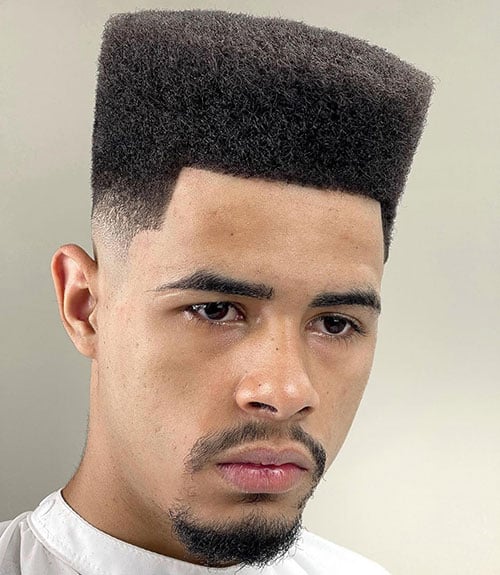
This thick high top with a low skin fade and edge stacks through and strips the area underneath for clean contrast. Here, leaving the fade low protects the vertical mass around the high top, giving the style a strong, grounded base rather than letting it taper early and losing that statement feel. A clean edge-up locks the shape in place and makes the haircut read fiercely from every angle.
Afro High Top with Skin Fade and Line Up

The afro high top with a skin fade and line up is all about contrast and clarity. The skin fade strips the sides right back and forces attention upward into the afro’s height and shape. The line-up inserts a hit of geometric precision to your hair’s texture to give you an eye-catching balance between sharp detail and natural volume. It’s a flattering choice for guys wanting to showcase their afro texture at its fullest without letting the style drift into chaos.
High Top Fade with Twists

A high-top fade with playful twists introduces pattern and movement into this structured style, visually breaking up the iconic block shape. The twists bring depth and rhythm through the top, and the fade keeps the base of the cut looking controlled. What makes this cut work is the spacing and consistency of the twists; when you lay them out evenly, the shape feels bold and deliberately styled rather than bulky or unbalanced.
Round High Fade Afro Top

Here, the round high fade afro top reshapes the more traditional style by replacing sharp corners with a smooth, domed profile through the crown. This curved silhouette gives the haircut a sculpted feel while preserving the height and impact that define the old-school look. We like this one because the high fade strips the sides right back, giving you clean edges that prevent the rounded top from coming across heavy. It’s an attractive pick for guys who like the presence of a high top but want something more fluid and contemporary in shape.
High Top Fade with Long Beard

The high top fade with a long beard is built on vertical balance, using height on top and length below to create a powerful, stacked silhouette. In this example, the fade acts perfectly as a clean visual break between your hair and beard. When cut properly, this pairing stretches your face and adds structure through the middle. It’s a style that unifies your cut and facial hair, making them feel like one cohesive feature rather than two competing elements.
High Top with Mid Fade

The high top with a mid fade sits right in the middle ground between bold and wearable. We like that the fade cuts through the mid-section of the head and tightens the sides, shaping the style without stripping away the weight that makes an impact. This keeps the vertical shape on-point while also making the style easier to live with than more aggressive fades. It’s one of those styles that gives you great height and structure, but still holds up between appointments as it doesn’t demand constant rebuilding.
Blownout High Top with Low Skin Fade

The blownout high top pushes volume and width as much as height, with a low skin fade on the sides, creating a powerful, statement silhouette. I like that the barber lowered the fade line to anchor the look, preventing the blown-out feel from becoming too heavy or disproportionate. It celebrates scale by giving you big hair, a clean base and a shape that commands attention from every angle. Maintain the top evenly shaped and meticulous to avoid an unruly finish.
What Is A High Top Fade Haircut?
A high top fade is a retro men’s haircut characterized by very short sides, typically skin faded or tapered high up the head, while the longer hair on top is shaped upward into a structured silhouette, creating its signature look. This hallmark style varies; it can be flat, slightly rounded or intentionally sculpted to any preference. At its core, high tops are all about vertical height, powerful contrast, precision blending and clean edges.
“A high top is really a shape haircut. The fade creates the contrast, but the identity comes from the cut above it, including the height, width, corners and how those proportions look from every angle,” explains Eric Garibay, professional barber at BLVD Barbershop. “The height and width have to be designed together. If you keep adding height while narrowing the top, the style becomes much more vertical and dramatic; preserving width gives you a stronger, more classic look.”

Where the high top fade really earns its cultural weight is in its history. The style rose to prominence in the late 1980s and early 1990s, becoming inseparable from hip-hop culture and basketball icons of the era. It was bold, unapologetic and intentionally geometric, a visual statement as much as a haircut.
However, over time, the look has evolved. Modern high tops are often more textured and natural, sometimes paired with curls, coils or softer tapers instead of ultra-tight skin fades. This evolution matters and reflects how men’s grooming has shifted toward individuality while still respecting classic forms.
Shape The High Top In Its Natural State
A high top should be shaped according to the hair’s natural height, density and shrinkage, and not solely its stretched length. Coily hair can change considerably after it has been washed, picked, compressed or allowed to settle, so tell your barber how you normally prepare and wear the top.
Before shaping, the hair should be evenly detangled and lifted from the roots without aggressively stretching the ends. The barber should then check the developing outline from the front, profile and back. A flat top requires a carefully controlled horizontal plane, while a rounded high top needs an even curve without weak corners or excessive weight through the crown.
Agree on the desired height and width, including whether the sides of the top should rise vertically or taper inward.
“I shape a high top after the hair has been picked and given time to settle. That shows me the client’s honest silhouette and prevents one side from appearing shorter when the hair returns to its normal state.” — James Goodman, Licensed Barber
Between appointments, I recommend Black men lift the roots gently and avoid trimming isolated hairs at home. Regular professional shaping will preserve the proportions more reliably than chasing individual pieces as they appear.
The Most Popular High Top Fade Men’s Haircuts
In my experience working with barbers and brands, the most popular high top fades are the ones that preserve the iconic height, feature a flawless transition on the sides and back, and highlight a man’s natural afro-textured hair on top. From sponged to twists, it suits Black men who want a strong profile and are willing to maintain shape through regular trims and the expert use of styling products.
“The taller and more geometric you take a high top, the less forgiving the grow-out becomes. Softer rounded versions can absorb some growth, while crisp corners and flat planes usually tell you much sooner that it’s time for another shape-up,” Garibay notes. Like many classic cuts, when executed well, it sits at the intersection of history, artistry and personal expression as a distinctive, confident style.